- From the Recorded Table to the Culture of Staying

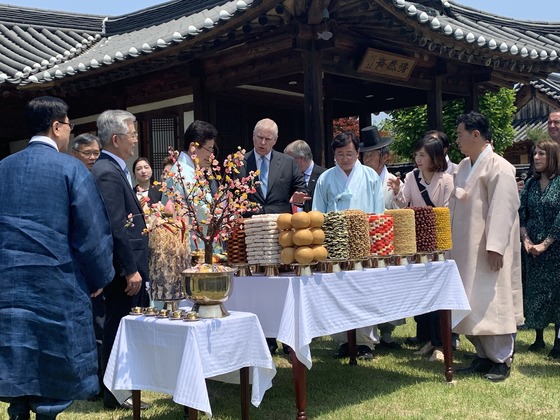
In 2025, the cities of London and Paris — the cultural capitals of Europe — witnessed a distinctive culinary encounter with Korea’s spiritual heartland: Andong.
At the centre of this exchange stood Suwun Japbang, a sixteenth-century culinary manuscript preserved for generations within the prestigious Gwangsan Kim family.
The presentation went far beyond tasting sessions; it offered European audiences an experience of what may be called “the recorded table” — a way of life preserved in writing, ritual, and hospitality.
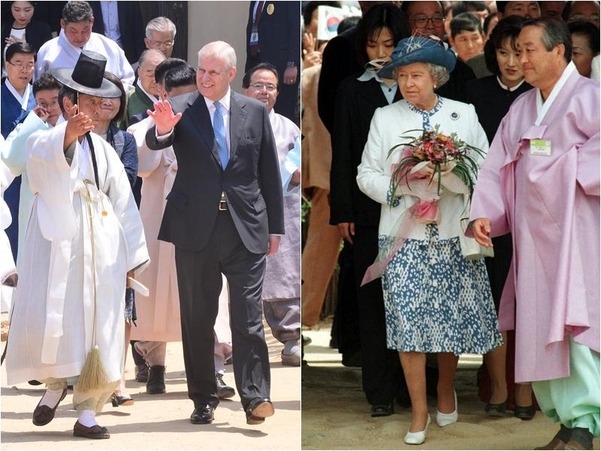

This encounter revealed a striking possibility: that the gastronomic heritage of Andong could evolve into a cultural-tourism project, inviting Europeans not only to taste but to visit, dwell, and learn in the very landscape from which these traditions spring.
Andong’s Cultural Landscape
Often described as “the capital of Korean traditional culture,” Andong houses UNESCO World Heritage sites such as Hahoe Village, Byeongsan Seowon, and Dosan Seowon.
Its culinary traditions — Andong jjimdak (braised chicken), heot jesa bap (ritual feast rice), and the renowned Andong soju — embody the same Confucian discipline and seasonal awareness that shaped the region’s social order.
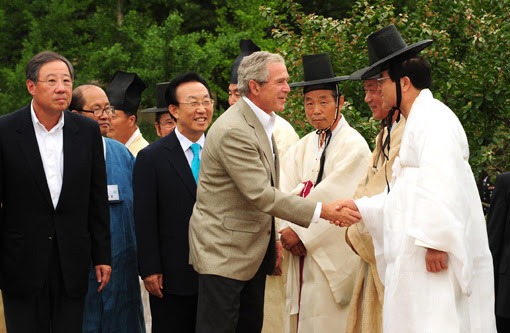

What distinguishes Suwun Japbang is its remarkable depth: more than a recipe book, it codifies ritual practice, etiquette, and the art of receiving guests, revealing an ecosystem where food, family, and philosophy converge.
This synthesis of gastronomy, lineage, and community renders Andong’s culinary heritage an intangible yet tangible cultural asset — one that European visitors can now access through immersive experience.
From Taste to Presence — Lessons from London and Paris
The Suwun Japbang exhibitions in London and Paris conveyed two important messages.
First, that Korean cuisine is not merely an act of consumption but a cultural archive — a living text.
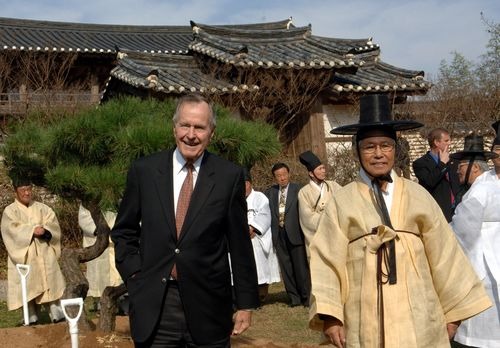
Second, that this record can be transformed into experiential tourism content, inviting travellers to encounter heritage where it originates.
These events thus laid the groundwork for positioning Andong as a destination for cultural and gastronomic tourism within the European market.

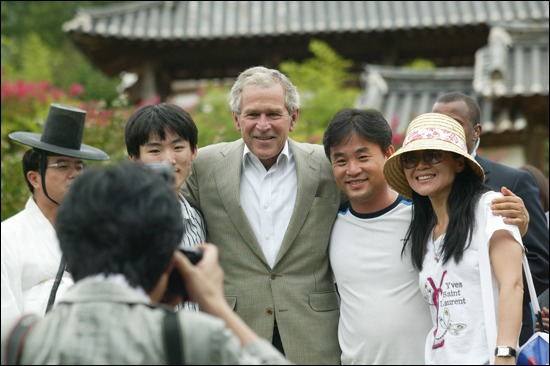

Andong’s Strengths as a Destination
- Spatial Authenticity – Hahoe Village remains a functioning Confucian settlement where daily life, ritual, and architecture co-exist. Visitors walk through a living heritage, not a reconstruction.
- Culinary Depth – Andong cuisine, transmitted through noble households and shaped by soy, jang (fermentation), and seasonal logic, resonates with the European sensibility for terroir and craftsmanship.
- Cultural Integration – Food experiences combine naturally with visits to Confucian academies, traditional performances, and hanok stays, enabling slow, immersive travel rather than superficial sightseeing.
Proposed Programmes for European Visitors
- The “Recorded Table” Tour
A themed dining experience inspired by Suwun Japbang, paired with European wines or Korean cheongju, accompanied by interpretive narration on heritage and ritual. - The Heritage Stay Package
Accommodation in Hahoe Village; participation in a traditional household meal; visits to local soju distilleries; and evening tours of Byeongsan and Dosan Seowon illuminated by cultural storytelling. - The Culinary Workshop Route
In partnership with European culinary institutes or cultural research centres, hands-on masterclasses where participants study the Suwun Japbang techniques under Korean mentors.
Challenges and Developmental Directions
- Language and Storytelling – Expand English and French interpretation services, culinary glossaries, and digital guides explaining family lineages and philosophical principles behind each dish.
- Media and Marketing – Collaborate with Europe’s culinary and cultural magazines, travel agencies, and content platforms to position Andong’s cuisine as a distinctive brand of “heritage gastronomy.”
- Infrastructure Integration – Link Andong’s accommodation and transport networks with European travel operators, facilitating package routes between Seoul, Andong, and Gyeongju.
- Sustainability and Community Benefit – Design shared-revenue models ensuring that experiential tourism contributes directly to local households, artisans, and cultural preservation.
Conclusion — From Recorded Heritage to Living Exchange
Andong’s jongga cuisine, first introduced to European audiences through Suwun Japbang, has proven far more than a culinary curiosity. It represents a new bridge between culture and tourism — one grounded in scholarship, artistry, and lived heritage.
The next phase must transform the visitor’s role from taster to participant, from spectator to learner.
When the documented taste of Andong becomes an experience of residence and reflection for Europeans, the city will take its rightful place on the global map of cultural gastronomy.
In doing so, Andong will not simply serve a meal but offer a dialogue — one in which heritage becomes hospitality, and every shared table becomes a lesson in continuity.