By Dr Majid Khan (Melbourne):
Australia’s formal recognition of the State of Palestine marks a profound recalibration in Western diplomacy. Announced on 21 September 2025, this decision aligns Canberra with the growing bloc of nations calling for a restructured approach to the Israeli-Palestinian conflict — one that prioritizes humanitarian imperatives over historical alliances.
In parallel, Hamas’s conditional acceptance of U.S. President Donald Trump’s 20-point Gaza peace plan underscores a shifting regional dynamic, signaling that even the most entrenched actors are being compelled toward negotiation by mounting humanitarian and diplomatic pressure.
Together, these two developments signal a possible inflection point in the Middle East — where symbolic recognition is beginning to converge with pragmatic diplomacy.
Australia’s Policy Break: From Alignment to Autonomy
For decades, Australia’s Middle East policy was anchored in a pro-Israel orientation, often mirroring U.S. positions in the United Nations and other multilateral forums. Successive governments maintained that Israel’s right to self-defense was paramount, while Palestinian statehood remained a rhetorical aspiration.
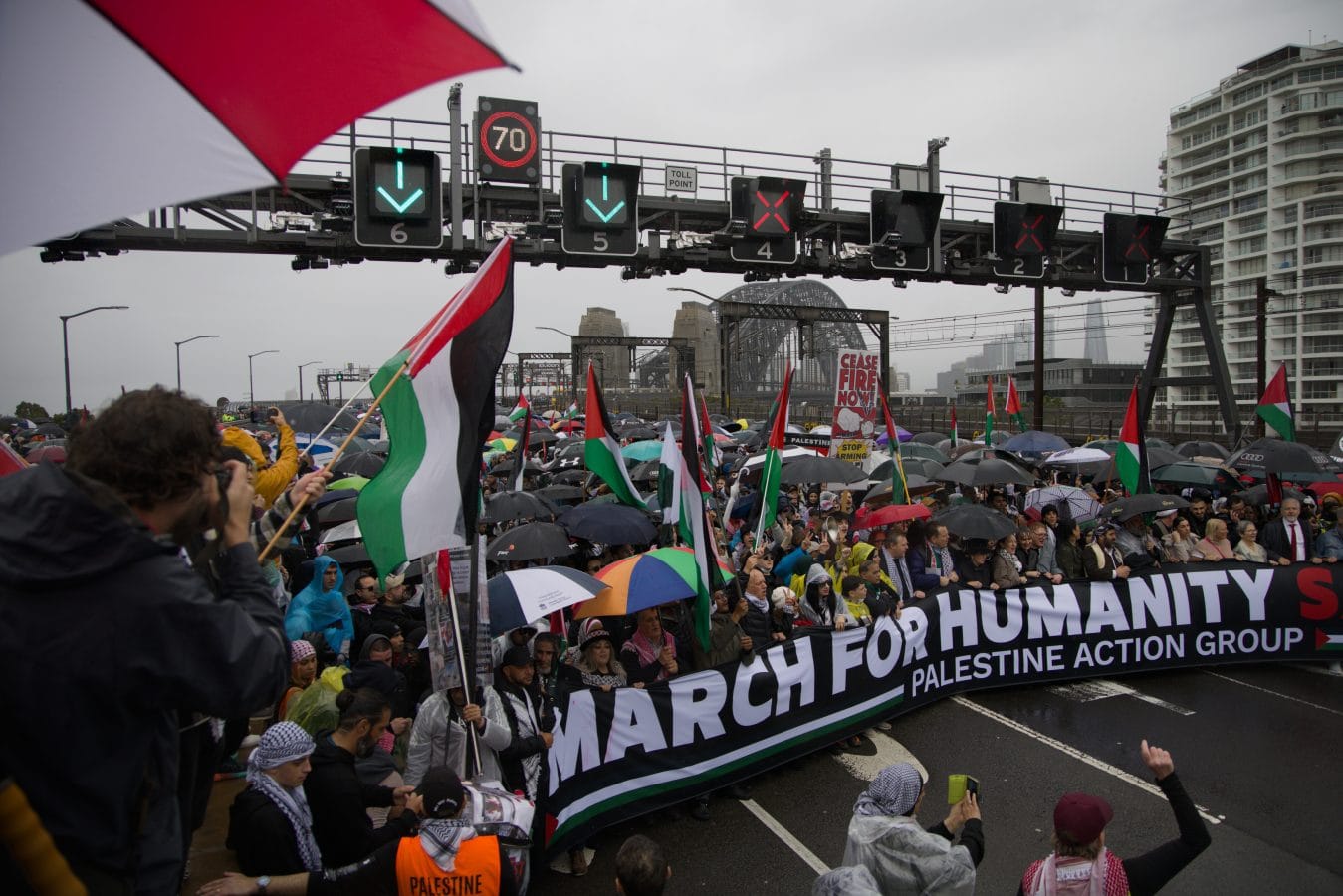
Prime Minister Anthony Albanese’s decision to recognize Palestine represents a strategic and moral departure. The statement released by Foreign Minister Penny Wong emphasized that the recognition reflects “Australia’s enduring support for a two-state solution and a commitment to international law and human rights.” The move follows months of public protests and parliamentary debate over Gaza’s humanitarian crisis, which has claimed tens of thousands of civilian lives since October 2023.
Australia now joins over 140 countries — including the United Kingdom, Canada, Ireland, Spain, and several EU states — in recognizing Palestine. This recognition carries both symbolic legitimacy and geopolitical weight, signaling that key Western democracies are no longer willing to let the peace process remain indefinitely hostage to violence or U.S. policy inertia.
Humanitarian Crisis as the Catalyst
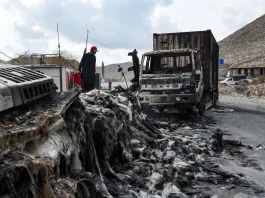
The catalyst for this policy realignment lies in the scale of devastation in Gaza. Israel’s prolonged military campaign, launched in retaliation for Hamas’s October 2023 attacks, has left entire neighborhoods flattened and millions displaced.
Despite Israel’s insistence on eliminating Hamas’s military infrastructure, the global narrative has shifted sharply toward humanitarian accountability.
For Australia — traditionally cautious in Middle East diplomacy — the Gaza crisis made neutrality untenable. Canberra’s recognition of Palestine thus represents both a moral reckoning and a diplomatic repositioning, signaling to domestic and international audiences that it will no longer view the conflict solely through the prism of security, but also of justice.
Implications for Global Diplomacy
Australia’s decision reverberates beyond symbolism. It introduces a ripple effect across Western capitals, especially those long constrained by Washington’s reluctance to endorse Palestinian sovereignty.
If replicated by other allies, this could form a Western mini-bloc recognizing Palestine, accelerating the international legitimization of Palestinian statehood and altering the balance of diplomatic leverage in future peace talks.
However, this move also risks straining Australia’s relations with Israel and the United States. Tel Aviv views recognition as a unilateral act that undermines negotiations, while Washington has traditionally discouraged its allies from making such moves independently.
Yet Canberra appears prepared for this recalibration — framing it as a principled, values-based foreign policy rather than a repudiation of alliance solidarity.
Hamas’s Conditional Acceptance of the Trump Plan
Adding a new layer to the evolving narrative, Hamas has announced partial acceptance of the Trump administration’s Gaza peace proposal unveiled in late September 2025. The 20-point framework — developed in coordination with Egypt, Saudi Arabia, and Qatar — outlines an immediate ceasefire, the release of all Israeli hostages, and the formation of a Palestinian technocratic authority to govern Gaza under international supervision.
While Hamas accepted the provisions on hostages and governance transition, it rejected full disarmament, insisting that “resistance is a right until occupation ends.” Israeli Prime Minister Benjamin Netanyahu, under heavy domestic and international pressure, signaled conditional approval, provided that Israel maintains oversight of Gaza’s demilitarization and border security.
The U.S. administration has framed Hamas’s partial acceptance as a “constructive opening,” pushing for immediate dialogue in Cairo. However, substantial gaps remain — particularly over security guarantees, the status of East Jerusalem, and reconstruction control.
This diplomatic movement — though fragile — marks the first instance since 2021 that both Israel and Hamas have simultaneously engaged in talks mediated by major powers.
A Broader Realignment
The dual developments — Australia’s recognition and Hamas’s diplomatic flexibility — represent two sides of a wider transformation in the global handling of the Israeli-Palestinian conflict.
While one reflects international recognition of Palestinian legitimacy, the other signals a shift within Palestinian political behavior toward engagement rather than confrontation.
For the international community, this alignment creates new space for multilateral diplomacy. If Western recognitions continue to rise in tandem with negotiated initiatives on the ground, a new hybrid framework could emerge — one where recognition and negotiation advance in parallel rather than in sequence.
Risks and Opportunities
For Australia, the recognition could open doors to deeper engagement with Arab and Muslim-majority countries, unlocking trade and energy opportunities and strengthening its soft-power presence in the Global South.
Conversely, it risks tactical frictions with Israel and the U.S., both of whom may interpret Canberra’s move as premature or politically motivated.
For Hamas and Israel, the Trump peace plan represents a narrow diplomatic window — potentially the last before regional fatigue sets in. If squandered, renewed conflict could erase emerging goodwill and re-polarize the international stage.
Conclusion
Australia’s recognition of Palestine and Hamas’s engagement with Trump’s proposal underscore a new diplomatic momentum — one driven not by ideological realignment but by the humanitarian urgency of Gaza and the exhaustion of perpetual stalemate.
If sustained, this moment could redefine the global approach to Middle East peace — shifting the narrative from managing crisis to constructing sovereignty.
Whether this becomes a turning point or a temporary pause in a long-drawn conflict will depend on the willingness of regional and global actors to convert recognition into resolution.