

An analytical review of the first leaders’ summit in Tokyo
By Dr. Beruniy Alimov
Director, New Media Education Centre NGO,
Tashkent, Uzbekistan
A Symbolic and Strategic Milestone
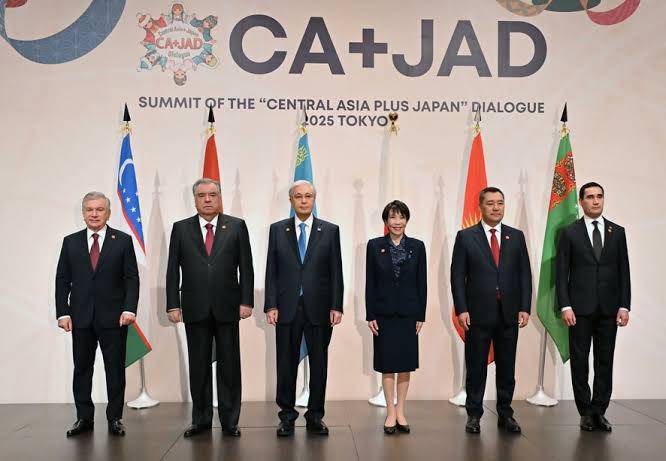
On 20 December, Shavkat Mirziyoyev, President of the Republic of Uzbekistan, took part in the first-ever Leaders’ Summit of the Central Asia + Japan Dialogue held in Tokyo. Chaired by Sanae Takaichi, the summit brought together the heads of state of all five Central Asian countries: Kassym-Jomart Tokayev, Sadyr Japarov, Emomali Rahmon, and Serdar Berdimuhamedow.

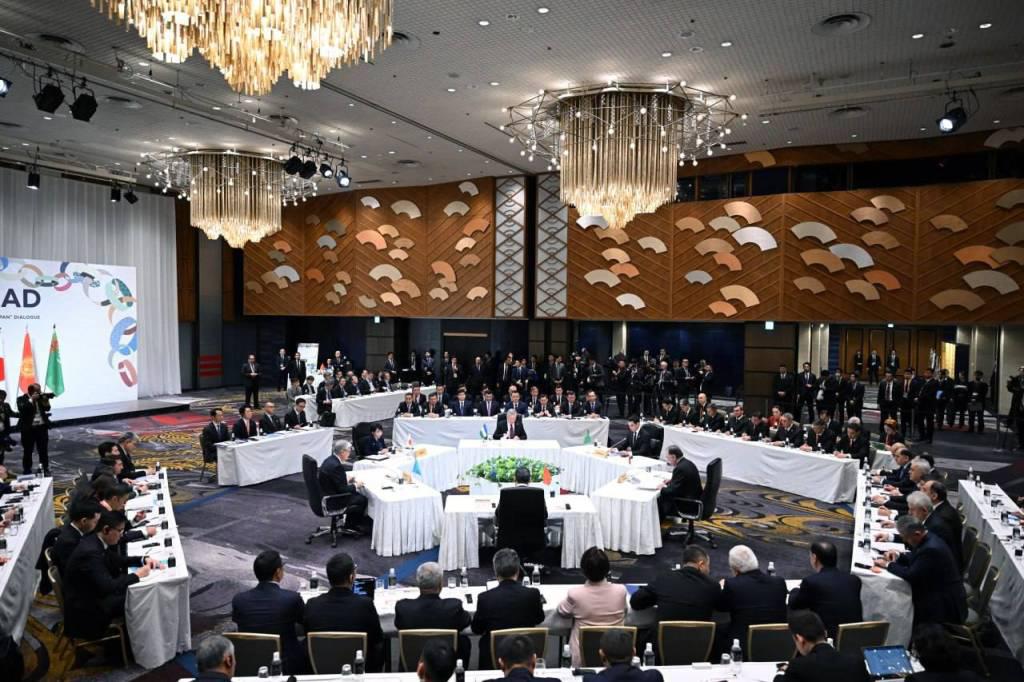
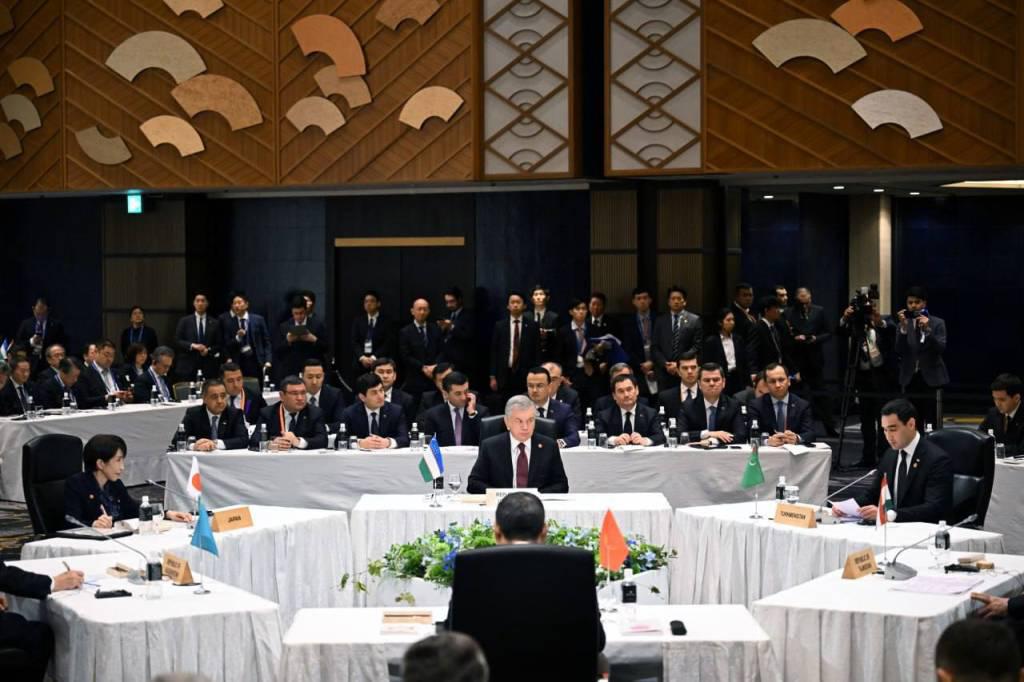
This summit marked a qualitative leap in the evolution of the Central Asia + Japan format – from ministerial consultations to a full-fledged strategic dialogue at the highest political level. More importantly, it signaled the growing geopolitical, economic, and technological significance of Central Asia for Japan, as well as the region’s collective readiness to engage with long-term, values-based partners beyond traditional power centers.
Historical Context: A Dialogue with Deep Roots
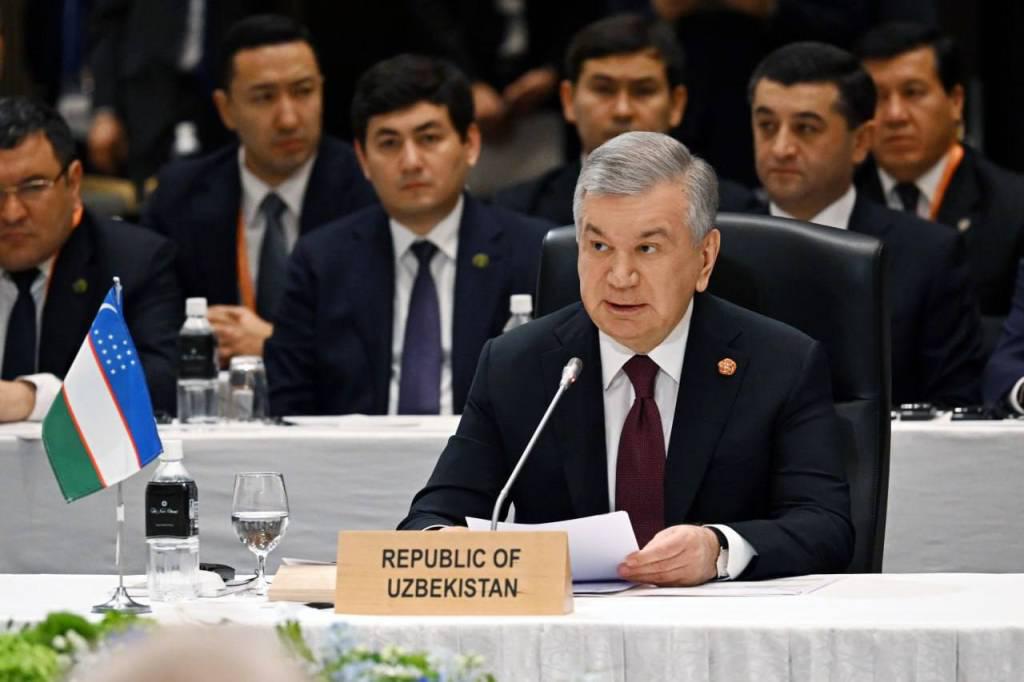
In his address, President Mirziyoyev reminded participants that Japan was the initiator of the Central Asia + Japan dialogue twenty years ago. This historical continuity is not incidental. Trade, cultural exchange, and intellectual interaction between Central Asia and Japan date back to the era of the Great Silk Road. Shared ethical norms, respect for tradition, strong family values, and a culture of diligence and education have long constituted a soft but durable foundation for cooperation.
Since the independence of Central Asian states, Japan has emerged as a reliable development partner, contributing significantly to infrastructure modernization, industrial development, energy systems, education, science, and human capital formation. The summit reaffirmed that Central Asian countries are not only interested in preserving this partnership but in expanding Japan’s role as an active stakeholder in the region’s future.
Strategic Agenda: From Green Growth to Regional Integration
The summit agenda reflected the changing priorities of both sides. Discussions focused on expanding mutually beneficial cooperation in key areas: green economy and sustainable development, regional connectivity, digital transformation, human capital development, and institutional cooperation.
Central Asia’s resource richness, rapid economic growth, strategic location at the crossroads of global transport and energy routes, and ongoing regional integration processes were highlighted as factors creating favorable conditions for deeper cooperation with Japan. In this sense, the dialogue is no longer aid-oriented but increasingly partnership-driven.
President Mirziyoyev proposed institutionalizing leaders’ summits on a biennial basis and expressed Uzbekistan’s readiness to host a future summit. Such regularization would provide political momentum and ensure continuity in implementing joint initiatives.
Long-Term Vision: Central Asia – Japan 2040
One of the most forward-looking proposals was the development of a Central Asia – Japan 2040 Cooperation Strategy. Uzbekistan advocated for a document that would go beyond declarative goals and include concrete programs and projects aimed at sustainable development and deeper integration of the region into global economic processes.
To support evidence-based policymaking, the establishment of an Expert Forum involving leading analytical centers from participating countries was proposed, with the inaugural meeting to be held in Tashkent. This reflects a growing emphasis on strategic foresight, policy coherence, and intellectual diplomacy.
Economic and Technological Synergy
The summit paid particular attention to economic cooperation and investment. Uzbekistan welcomed the expansion of Japanese financial institutions’ involvement in trade, economic, and investment projects across Central Asia. A notable proposal was the creation of a Central Asia Infrastructure and Industrial Development Investment Fund, which could support programs on “quality infrastructure” and facilitate the launch of a regional network of Japanese technoparks.
This approach seeks to combine Central Asia’s natural and human resources with Japan’s industrial and technological expertise—creating a complementary model of development rather than a competitive one.
Digital Transformation and Innovation
Recognizing digital transformation as a decisive driver of growth and resilience, President Mirziyoyev proposed establishing a Central Asia – Japan Digital Hub. The platform would promote cooperation in digital solutions, artificial intelligence, the Internet of Things, cybersecurity, and the innovation economy.
Such an initiative aligns Japan’s technological strengths with Central Asia’s ambition to leapfrog developmental stages and embed itself in the global digital ecosystem.
Infrastructure, Energy, and Environmental Security
Japan’s participation was encouraged in major infrastructure projects, including high-speed railways, road construction, digitalization of transport corridors, airports, and logistics hubs. In the energy sector, cooperation on cogeneration technologies, loss reduction, and carbon capture was emphasized.
Uzbekistan also proposed establishing a Regional Training Center for Renewable Energy Specialists in Tashkent, underlining the importance of capacity-building alongside technological transfer.
Environmental cooperation featured prominently. Joint programs to improve air quality, coordinated climate action plans, and new formats for meetings among environmental authorities were proposed, reflecting a shared understanding that sustainability is a transboundary challenge.
Seismic Safety, Education, and Humanitarian Ties
Drawing on Japan’s extensive experience in seismic safety, the proposal to launch a joint program on seismic resilience and to open a Regional Advanced Training Center in Tashkent for engineers, architects, and emergency responders based on Japanese standards demonstrated practical, people-centered cooperation.
In the humanitarian sphere, plans were announced to hold the first meeting of education ministers and the first forum of leading university rectors within the Central Asia + Japan format. A regional youth development network was also proposed to foster long-term interpersonal and institutional ties.
Regional Security and Afghanistan
Addressing international politics and regional security, President Mirziyoyev emphasized the shared position of Central Asian states and Japan on viewing Afghanistan as a peaceful, stable, and developing country. Japan’s long-standing role as a leading donor and partner supporting the Afghan people was highly appreciated, reinforcing the humanitarian and security dimensions of the partnership.
From Dialogue to Action
The Tokyo summit concluded with the adoption of the Tokyo Declaration, endorsed by all participating leaders. Beyond formal decisions, the summit demonstrated a convergence of strategic visions: Central Asia seeking diversified, technology-driven development partners, and Japan engaging a dynamic region with growing global relevance.
As the Japanese proverb quoted by President Mirziyoyev suggests, when efforts are united, even mountains can be moved. The first Central Asia + Japan Leaders’ Summit has laid the groundwork for transforming long-standing dialogue into a structured, future-oriented partnership – one measured not only by declarations, but by tangible outcomes over the decades ahead.


