By: Prof. Shabnam Delfani
Abstract
As the 2030 deadline for achieving the United Nations Sustainable Development Goals (SDGs) approaches, the intersecting crises of food insecurity, water scarcity, and climate change present complex challenges, particularly across Europe, Asia, and the Middle East. This article explores the regional disparities in environmental resilience, examines urban vulnerabilities, and questions whether the SDG framework is realistic under current geopolitical and climatic conditions. It calls for regional cooperation, climate justice, and a re-calibration of international development mechanisms to account for 21st-century realities.
1. Introduction
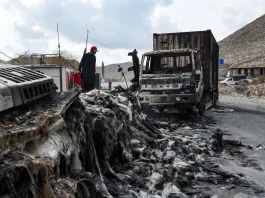
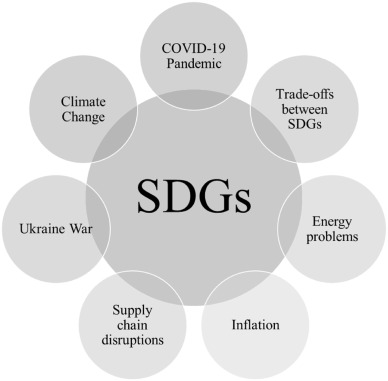
The SDG 2030 agenda set out to address poverty, inequality, and climate change through a cohesive global strategy. However, the intersection of environmental degradation and geopolitical fragmentation now threatens to derail progress—particularly in the domains of SDG 2 (Zero Hunger), SDG 6 (Clean Water and Sanitation), and SDG 13 (Climate Action) [1].From flooded European farmlands to water-stressed megacities in Asia and conflict zones in the Middle East, the challenges are no longer theoretical—they are tangible, visible, and escalating [2].
2. Food Security: Climate Impact and Political Vulnerability
In Europe, climate disruptions such as the 2022 drought in Spain and floods in Germany’s Ahr Valley severely impacted agricultural output [3]. While countries like France and the Netherlands maintain food security through subsidies and advanced logistics, rural resilience is declining due to extreme weather events and rising production costs [4].
Asia presents a dual paradox: it is both an agricultural powerhouse and a region plagued by hunger. The Mekong Delta in Vietnam, for instance, faces rising salinity from sea level rise, jeopardizing rice production [5]. In South Asia, monsoon variability threatens the livelihoods of millions of smallholder farmers in India and Bangladesh [6].
The Middle East remains one of the most food-import-dependent regions in the world. Cities like Cairo, Amman, and Baghdad have seen spikes in food prices following the Ukraine conflict, which disrupted global grain supply chains [7]. In response, Gulf states like Saudi Arabia and the UAE are investing heavily in agritech and vertical farming, though these remain expensive and energy-intensive solutions [8].
3. Water Scarcity: A Looming Security Crisis
Water scarcity is becoming one of the most critical cross-border threats in the 21st century. Southern Europe, particularly Italy and Greece, faces dwindling water reserves due to prolonged droughts and inefficient irrigation systems [9].
In Asia, water stress is both environmental and geopolitical. China’s dam construction on the Mekong and Brahmaputra Rivers has prompted concern among downstream nations like Laos, Vietnam, and India, which depend on consistent water flows for agriculture and fisheries [10].
In the Middle East, Iraq’s Tigris and Euphrates Rivers have significantly declined due to upstream projects in Turkey and Iran, contributing to desertification and migration [11]. Water shortages in Tehran and Basra have triggered civil unrest, demonstrating that environmental issues can rapidly escalate into political crises [12].
4. Climate Change: The Risk Multiplier
Climate change exacerbates existing vulnerabilities. In Europe, cities such as Berlin and Madrid are experiencing record-breaking heat, increasing the urban heat island effect and overwhelming public health systems [13].
Asia is particularly exposed: glacial melt in the Himalayas threatens water access for over 1.5 billion people across India, China, and Pakistan [14]. Cities like Lahore have experienced temperatures above 50°C, while Jakarta is sinking due to rising sea levels and groundwater extraction, prompting a $30 billion relocation plan [15].
In the Middle East, climate-related droughts in Syria (2006–2010) contributed to agricultural collapse and mass rural migration, factors that many analysts believe were early triggers of the Syrian civil war [16]. In Gulf countries, ambitious net-zero cities like NEOM (Saudi Arabia) show futuristic ambition but risk diverting resources from existing vulnerable communities [17].
5. SDG 2030: A Framework Misaligned with Reality?
The SDG framework, though visionary, has struggled with local adaptation. In Europe, rising nationalism and energy crises have shifted focus away from long-term sustainability goals [18]. While Northern European countries lead on climate action, Eastern European states lag due to economic constraints and political opposition [19].
Asia’s progress is highly uneven. Japan and South Korea have made strong commitments to carbon neutrality, while India and Indonesia face conflicting priorities between economic development and emission reductions [20].
In the Middle East, conflict-affected states like Yemen, Syria, and Libya lack the capacity to pursue SDGs. Even relatively stable nations face data limitations, governance challenges, and donor fatigue [21].
6. A Realistic Way Forward
Rather than abandoning the SDGs, stakeholders should recalibrate them. This includes:
• Regional climate compacts—such as EU-led water sharing and joint agricultural innovation programs.
• Decentralized financing that prioritizes local governments and communities.
• Data transparency and real-time tracking using digital tools and satellite imagery.
• Stronger UN enforcement of climate finance pledges from high-emitting nations.
Regional organizations such as the Arab League, ASEAN, and the European Union must facilitate not just policy dialogues but enforceable frameworks for cooperation and resource sharing.
7. Conclusion
Time is running out. The SDG 2030 agenda remains a vital moral and political blueprint, but without regional cooperation, localized planning, and international accountability, it risks becoming an aspirational document disconnected from reality.
The stakes are no longer just developmental—they are existential. Food systems are collapsing. Water is running dry. The climate is not waiting. The world must act—regionally, urgently, and collectively.
References
1. United Nations. (2015). Transforming our world: the 2030 Agenda for Sustainable Development.
2. World Bank. (2022). Climate Change and Development Report: Europe and Central Asia.
3. European Environment Agency. (2023). Drought conditions in Southern Europe.
4. OECD. (2022). The Future of EU Agriculture in a Changing Climate.
5. IPCC. (2021). Sixth Assessment Report: Impacts, Adaptation and Vulnerability.
6. FAO. (2023). The State of Food and Agriculture in Asia-Pacific.
7. WFP. (2022). Middle East Food Security Outlook: Post-Ukraine Conflict Analysis.
8. Gulf Cooperation Council. (2024). Food Security Strategy: 2021–2030.
9. EEA. (2022). Water Scarcity in the Mediterranean.
10. Stimson Center. (2023). Hydropolitics in the Mekong Basin.
11. UN-ESCWA. (2023). Water Security in the Arab Region.
12. Human Rights Watch. (2019). Basra Is Thirsty: Iraq’s Water Crisis.
13. WHO Europe. (2023). Urban Heatwaves and Public Health.
14. ICIMOD. (2021). The Hindu Kush Himalaya Assessment.
15. Indonesian Government. (2023). National Capital Relocation Master Plan.
16. Kelley, C. et al. (2015). Climate change in the Fertile Crescent and implications of the recent Syrian drought. PNAS.
17. Economist Intelligence Unit. (2023). Gulf Mega Projects and Sustainability.
18. European Commission. (2023). The EU Green Deal Progress Report.
19. UNDP Europe. (2023). Regional SDG Scorecards and Challenges.
20. Climate Action Tracker. (2024). Asia-Pacific Country Progress on Paris Goals.
21. UN ESCWA. (2023). Challenges in SDG Reporting in Conflict Zones.