By Dr Majid Khan (Melbourne):
The shocking Israeli missile strike on Doha has unleashed a storm of diplomatic fallout, with many now asking: “Has Israel become the new Iran?” This is a question the enthusiastic architects of the Abraham Accords never imagined would dominate Gulf discourse. The attack, aimed at assassinating senior Hamas leaders meeting to discuss a U.S.-backed ceasefire proposal, not only violated Qatar’s sovereignty but also exposed deep fractures in U.S. alliances and Israel’s regional standing.
The strike represents a watershed moment, where Israel is now viewed by many Gulf States not as a partner for peace but as a destabilizing force, undermining years of delicate diplomacy and threatening the fragile balance of power in the Middle East.
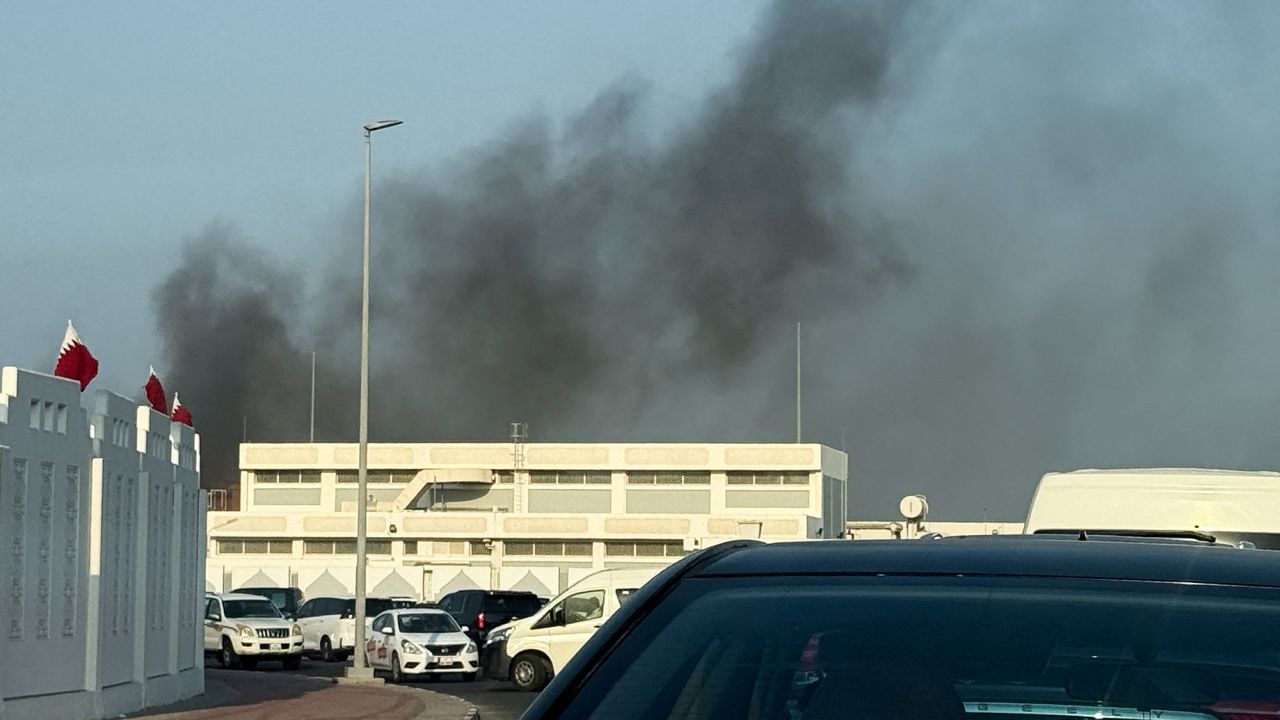
On September 9, Israeli fighter jets launched a precision strike on a residential district in Doha, targeting homes where Hamas political bureau members were gathered. According to Qatari officials, the attack killed six people, including the son of senior Hamas leader Khalil al-Hayya, his chief of staff, members of his entourage, and a Qatari security officer.
The Israeli military quickly claimed responsibility, dubbing the operation “Summit of Fire”, stating that it had targeted Hamas leaders “in a precise and targeted manner.” Prime Minister Benjamin Netanyahu declared that Israel bore full responsibility for the strike. This unprecedented move marked the first time Israel had directly attacked a U.S. ally hosting active ceasefire talks; a move that even many within Israel’s own security establishment reportedly questioned.
The Hamas leaders targeted were discussing President Donald Trump’s latest ceasefire proposal, which included a comprehensive prisoner exchange and a 60-day truce. In an ironic twist, Israel’s actions sabotaged the very negotiations it had been part of, undermining U.S.-led peace efforts and leaving the process in tatters.
Netanyahu has made the assassination of Hamas leaders a central objective of his nearly two-year campaign in Gaza. This strike on Doha, however, crossed a new threshold by targeting negotiators on neutral soil.
Analysts argue that Netanyahu’s motives were multifaceted: Netanyahu faces intense pressure from his far-right coalition, which demands total victory and the eradication of Hamas. The failed strike allows him to project strength and deflect criticism amid growing calls for his resignation.
Qatar has been an indispensable mediator, brokering two temporary truces and prisoner swaps. By attacking on Qatari soil, Netanyahu not only undermined current negotiations but also sent a chilling message to other mediators like Egypt and Turkey.
Israel has signaled plans to reoccupy parts of Gaza, displace its population, and establish tightly controlled “humanitarian cities.” The Doha strike was part of a broader strategy to weaken Hamas leadership and force the group into negotiating from a position of fear and exile.
David Makovsky of the Washington Institute notes that the decision was also shaped by recent domestic events: “The killing of six civilians in a Jerusalem bus shooting combined with four Israeli soldiers lost in Gaza created a concentration of national mourning that made decisive action politically necessary.”
For Qatar, the attack was a profound betrayal. Doha has hosted Hamas leaders since 2012 at Washington’s request, providing a channel of communication for the U.S. and Israel. By striking Qatar, Israel essentially targeted a U.S.-approved diplomatic arrangement.
According to Gulf analyst Simon Henderson, the strike has raised existential questions for Gulf States: “If Washington cannot control Israel or protect its allies, then the Gulf’s reliance on the U.S. as a security guarantor must be rethought”.
President Trump, who visited Qatar in May and promised to “protect this very special country”, now faces a diplomatic crisis. U.S. Secretary of State Marco Rubio flew to Israel immediately after the strike, signaling Trump’s frustration with Netanyahu’s defiance.
Secretary Rubio stated: “President Trump didn’t like the way this went down. We will talk about its impact on efforts to get hostages back, end the war, and restore stability.”
Elizabeth Dent, a Washington Institute expert, warns that Qatar may reconsider hosting the Al-Udeid Air Base, the largest U.S. military installation in the region. Limiting U.S. operations there would have profound consequences for Washington’s ability to project power and defend allies across the Middle East.
Public anger in Qatar could also threaten U.S. personnel and assets. The perception that the U.S. either approved or failed to prevent the Israeli strike may spark anti-American sentiment, further complicating diplomatic efforts.
The attack has rattled the foundations of the Abraham Accords, which normalized relations between Israel and several Arab states in 2020. While the UAE and Bahrain remain the only Gulf countries with formal ties to Israel, even these relationships are now under severe strain.
The UAE has already cancelled Israel’s participation in the upcoming Dubai Airshow, and discussions are underway about suspending broader cooperation. For Saudi Arabia, the incident vindicates its decision to resist U.S. pressure to normalize relations with Israel.
Financial leverage is another potential weapon. Gulf sovereign wealth funds control over $4 trillion in global assets, giving them significant economic power to pressure both Israel and the U.S. While a military response is unlikely, analysts suggest that coordinated economic action could become a serious threat.
Despite global condemnation, Netanyahu remains unapologetic. On social media, he claimed that external Hamas leaders were obstructing ceasefire talks and that their elimination would pave the way for ending the war: “Getting rid of them would remove the main obstacle to releasing our hostages and achieving peace.”
However, critics argue that Netanyahu himself has prolonged the war to satisfy his coalition partners. Human rights groups accuse Israel of genocide, with over 64,000 Palestinians killed and famine emerging in parts of Gaza. Netanyahu is also wanted by the International Criminal Court for alleged war crimes.
Sanam Vakil, a regional expert, argues that Israel has now replaced Iran as the primary security threat to Gulf states: “With U.S. backing and unlimited weapons, Israel can bomb virtually anyone, anywhere, with impunity. This attack has shattered the illusion of stability created by the Abraham Accords.”
Robert Satloff of the Washington Institute sees a small window for diplomacy: “If this shock forces Hamas’s internal leadership to reconsider, Egypt to step up as a mediator, and Trump to push for a ‘day after’ plan, the tragedy could be a turning point. But that requires bold action, which has been lacking so far.”
The strike has exposed the fragility of U.S. influence in the region. For decades, Washington positioned itself as the ultimate guarantor of Gulf security. Now, its inability or unwillingness to restrain Israel raises uncomfortable questions for allies who depend on American protection.
The U.S. faces a stark choice: confront Netanyahu’s government and reassert control, or watch as Gulf States seek alternative security arrangements, potentially involving China or Russia.
For Qatar and its neighbors, the lesson is clear: U.S. promises may not be enough to guarantee safety, especially when Israel acts with impunity. As Gulf States gather for an emergency summit, the future of regional diplomacy, and the fate of the Abraham Accords; hangs in the balance.
This is what strategic failure looks like: a war spilling across borders, an ally turned rogue, and a superpower caught flat-footed. The question now is whether anyone has the will or the power to stop the slide toward chaos.