By Dr.Shabnam Delfani
If the reported massacre of children in Minab, Iran, does not provoke global outrage, then we must confront an uncomfortable truth: the rules of war are no longer being applied equally, they are being selectively ignored.
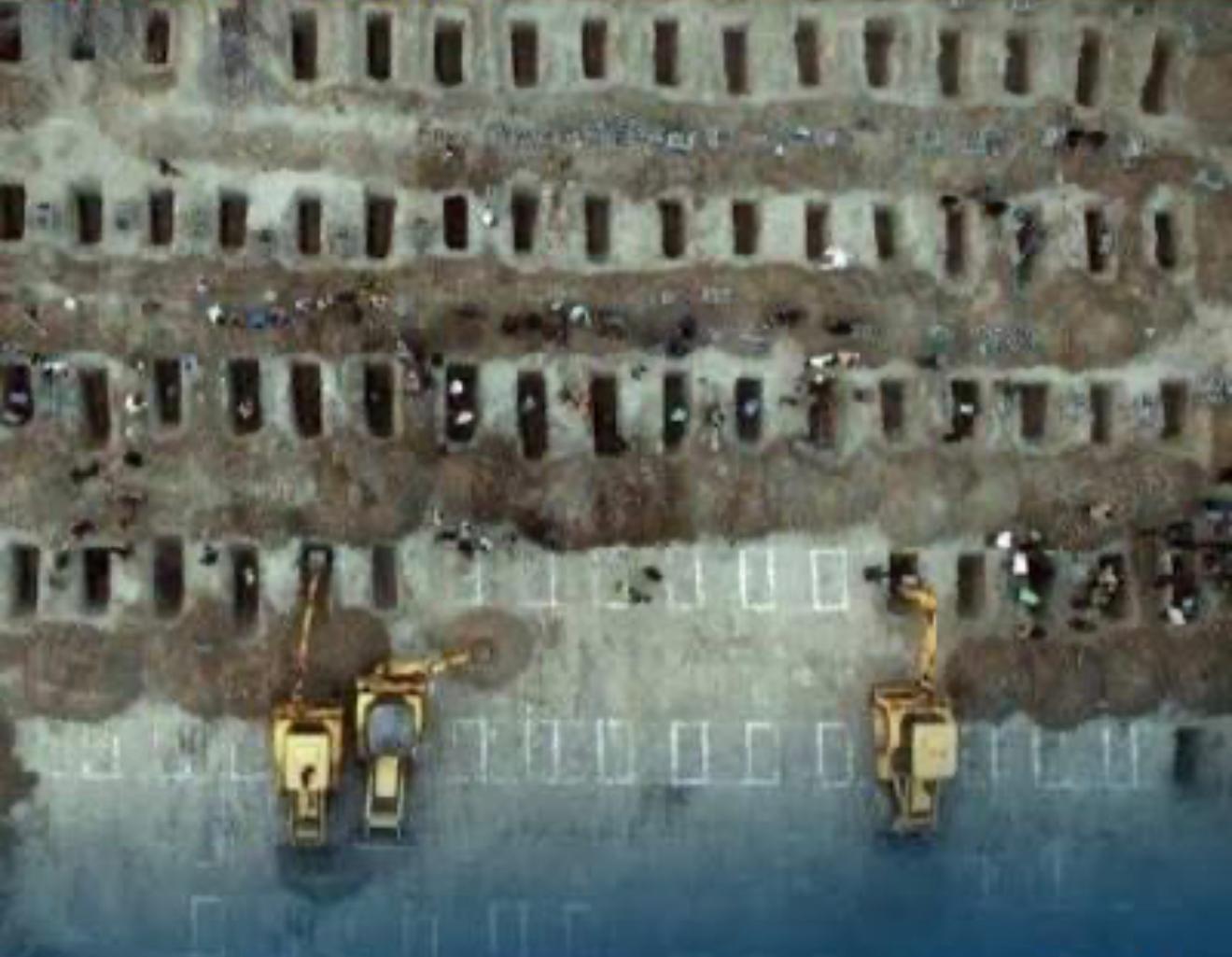
According to emerging reports, supported by findings and concerns raised by Amnesty International and covered by international media including Reuters, a school in Minab was struck in an air attack, reportedly killing 168 school children along with their 14 teachers. These are not abstract numbers. These are classrooms turned into mass graves.
Under the Geneva Conventions, this is not a grey area. The law is explicit. Civilians are protected. Schools are protected. Children are protected. Even in war, there are red lines.
Such an incident, certainly constitute a war crime. The real question now is: why is there no immediate, unified international response demanding accountability?
Where is the moral clarity from the United Nations? Where is the urgency from UNICEF, whose very mandate is to defend the lives of children in precisely these circumstances?
Silence in the face of such allegations is not neutrality. It is complicity.
Further scrutiny has also turned to the question of what weapon was used in the alleged strike on Minab.
According to Byline Times, fragments found at the site have been linked to Tomahawk cruise missile systems, casting doubt on the official account and highlighting the complex supply chains involved in such weaponry.
Independent analysis of video footage, satellite imagery, and debris cited in multiple reports has suggested that the munition used may be consistent with this type of missile; a system primarily deployed by the United States and certain allied forces. However, these assessments claims that the weapon’s origin is in the UK-Scotland.
However, attribution in active conflict zones is often highly contested and technically complex. Definitive conclusions can only be drawn following a transparent and independent investigation which has not yet taken place in this case.
And then there is the West.
Western governments have spent decades positioning themselves as the custodians of a “rules-based international order.” They have rightly condemned attacks on civilians in conflicts elsewhere, invoking international law with force and conviction. But when allegations point in more politically inconvenient directions, that clarity evaporates.
This is not diplomacy. It is hypocrisy.
If international law is invoked only against adversaries but softened or ignored when allies are implicated, then it ceases to be law at all. It becomes a tool of power, selectively applied, strategically enforced, and fundamentally unjust.
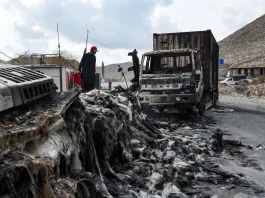
Reports that dozens of hospitals, Red Cross facilities, residential building, and schools have been struck in the course of military operations in Iran only deepen the crisis. Under international humanitarian law, attacks on medical and educational infrastructure are among the most serious violations. They are not collateral, they are prohibited unless strict and narrow conditions are met. Repeated incidents, if verified, would suggest not error, but pattern.
And patterns demand accountability.
The International Criminal Court exists precisely for moments like this. Its mandate is clear: to investigate and prosecute those responsible for the most serious crimes under international law, regardless of nationality or political alignment. But the court’s effectiveness has always depended on political will something that has too often been absent when it matters most.
Minab is not just a test of facts. It is a test of integrity.
Either the international community applies the law consistently, or it admits that the system is broken that some lives are protected, while others are negotiable.
The victims in Minab do not need cautious statements or procedural delays. They need an independent investigation, transparency about what happened, and accountability for whoever is responsible, no matter how powerful.
Because if the killing of children in a school does not trigger that response, then the so-called rules of war are no longer rules at all.