


By Raza Syed
Tajikistan is emerging as a strategically attractive destination for medical education, offering a unique combination of academic credibility, affordability, cultural compatibility, and strong government support that is particularly appealing to students from South Asia. As a country with a long-standing tradition of medical science rooted in the legacy of Avicenna (Ibn Sina), Tajikistan has steadily modernized its medical education system to meet international standards while maintaining a student-centered and cost-effective learning environment.
As a journalist, I have observed how geopolitical shifts, economic pressures, and healthcare demands are reshaping pathways for aspiring physicians. In South Asia—particularly India, Pakistan, and Bangladesh—the intense competition for limited medical seats, coupled with soaring costs in private institutions, has driven thousands of students abroad. Amid this landscape, Tajikistan emerges as a compelling destination: a nation blending Soviet-era academic rigor with modern reforms, offering world-class medical training at a fraction of the cost, in an environment of cultural familiarity and natural beauty.
Tajikistan’s commitment to healthcare advancement is rooted in its post-independence vision for Universal Health Coverage (UHC). Aligned with World Health Organization guidelines and supported by partners like the European Union, the government’s National Health Strategy up to 2030 and its 2024-2026 Action Plan prioritize strengthening primary healthcare, managing non-communicable diseases, and reducing rural-urban disparities. A landmark initiative is the 2025 pilot in the Sughd region, introducing innovative financing mechanisms to lower out-of-pocket expenses and enhance service quality. These reforms not only address domestic needs but also elevate Tajikistan’s medical institutions as regional hubs for affordable, internationally recognized education, especially appealing to ambitious South Asian students seeking rigorous training without prohibitive financial barriers.
At the heart of this system stands Avicenna Tajik State Medical University (ATSMU) in Dushanbe, established in 1939 and named after the legendary Persian polymath Ibn Sina (Avicenna). This flagship institution preserves the disciplined, clinically focused Soviet model while incorporating contemporary innovations like simulation labs, research centers, and family medicine curricula now standard across Tajik facilities.
ATSMU offers English-medium programs in general medicine (MD/MBBS), dentistry, public health, and more, with hands-on clinical exposure starting early through affiliations with 15 teaching hospitals. It hosts over 500 international students, including significant numbers from Pakistan (around 450 in recent cohorts), India, and Bangladesh. Other institutions, such as Khatlon State Medical University in Danghara and the Medical Social Institute of Tajikistan, complement ATSMU with interdisciplinary approaches, practical simulations, and postgraduate training via the Institute of Postgraduate Education.
Degrees from these universities are globally accredited by the WHO, India’s National Medical Commission (NMC), Pakistan’s Medical Commission (PMC), and others, enabling graduates to pursue licensing exams like India’s FMGE/NExT, USMLE, or PLAB. This alignment ensures seamless integration into international healthcare systems, equipping students with both theoretical depth and practical competence.
For South Asian students, Tajikistan’s appeal lies profoundly in affordability and accessibility. The five year English medium MBBS program typically costs $4,000–$5,000 annually in tuition, with total expenses (including hostel and living) ranging from 16–22 lakh INR or 1.4–1.5 million PKR for the entire course—vastly lower than private colleges in India or Pakistan, where fees often exceed several crores, plus donations. Admissions are merit-based and straightforward, generally requiring 50–60% in higher secondary exams (Physics, Chemistry, Biology), NEET qualification for Indians, and no capitation fees. Living costs remain modest at $150–$200 monthly, with secure on-campus hostels offering halal food, Indian/Pakistani messes, and a supportive community of peers from similar cultural backgrounds.
Cultural resonance further enhances the experience. Tajikistan shares historical Persian-influenced ties with South Asia, fostering a sense of familiarity amid hospitable locals and vibrant student life in Dushanbe. The country’s renowned safety, peaceful atmosphere, and stunning mountain landscapes provide an enriching backdrop for studies—blending academic intensity with personal growth through exploration of historical sites and outdoor pursuits.
Language flexibility adds value: English-medium instruction eliminates barriers, while opportunities to learn Russian or Tajik broaden clinical communication skills for Eurasian careers. Ongoing government investments in infrastructure, faculty development, and international partnerships ensure institutions remain forward-looking and globally competitive.
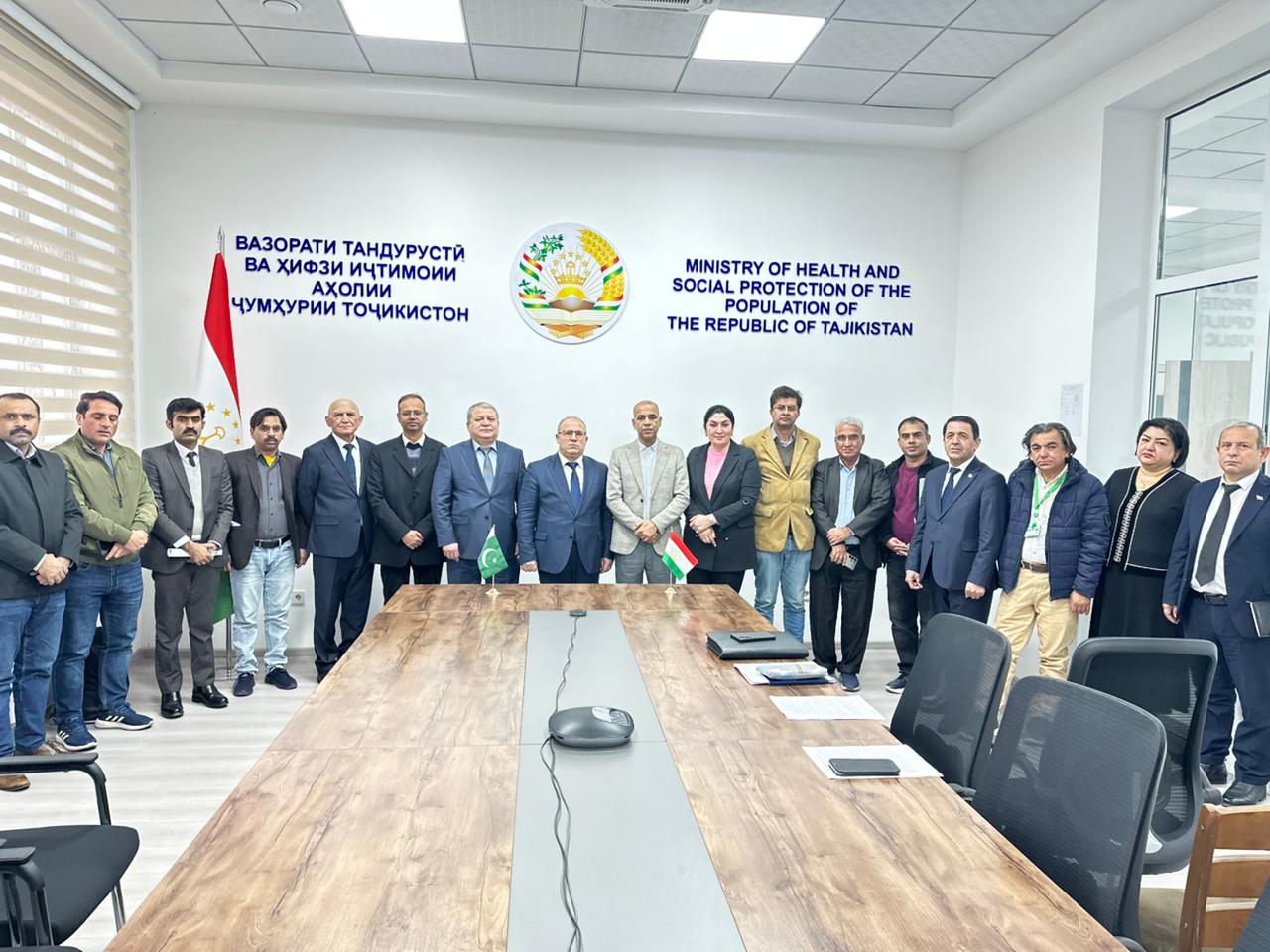

Bilateral ties underscore Tajikistan’s outreach to South Asia. Recently, during interactions with Pakistani delegations, First Deputy Minister of Health Salomatdin Jabbor Yusufi emphasized the role of Pakistani students in strengthening health cooperation and people-to-people bonds. Discussions advanced memoranda for academic exchanges, faculty collaborations, and joint ventures in telemedicine, pharmaceuticals, and clinical services with plans for expanded scholarships and partnerships in 2026.
In an era of escalating education costs and global health workforce shortages, Tajikistan exemplifies a philosophical ideal: equitable access to excellence. By mitigating “brain drain” through competitive, culturally attuned training, it empowers graduates to contribute meaningfully, whether returning home or serving internationally. As reforms progress, including nationwide scaling of successful pilots, Tajikistan not only educates physicians but cultivates leaders committed to innovative, inclusive healthcare worldwide. For South Asian aspirants, this Central Asian gem offers not just a degree, but a transformative pathway to realizing their healing potential.
Note: Recently, a delegation of Pakistani journalists, led by Dr. Muhammad Abbas Mahar, CEO of MBBS Abroad Consultancy Pvt Ltd and APP correspondent Shams Abbasi, undertook a study visit to Dushanbe. The aim of the trip was to examine the facilities available for pursuing medical education at universities in Tajikistan.
In this connection, I contacted the distinguished journalist Shams Abbasi and obtained detailed insights into the visit. This article has been written based on that information.
Of course, the role of the Honourable Ambassador of Tajikistan to Pakistan, H.E. Yusuf Sharifzoda Tior, in ensuring the success of this visit and providing facilitation is of great importance. The Ambassador of Tajikistan is playing a vital role in creating opportunities for new projects in relations, business, and investment between the two countries.


