By Lolisanam Ulugova
This essay is based on an interview with Yuldosh Juraboev, conducted in London on 6 June 2025. Born in Kyrgyzstan, he graduated in acting from the Tashkent State Arts Institute in 2000. His breakthrough came with the lead role in Abel, directed by Ovlyakuli Khodjakuli in Karshi, Uzbekistan. After joining the Uzbek Youth Theatre and later the Russian Youth Theatre, he studied directing in Moscow and worked on the film Hoja Nasretdin in 2006. He moved to London in 2007, where he directed and performed in various cultural events. In 2012, he co-founded Orzu Arts, debuting his play Dervish to critical acclaim.
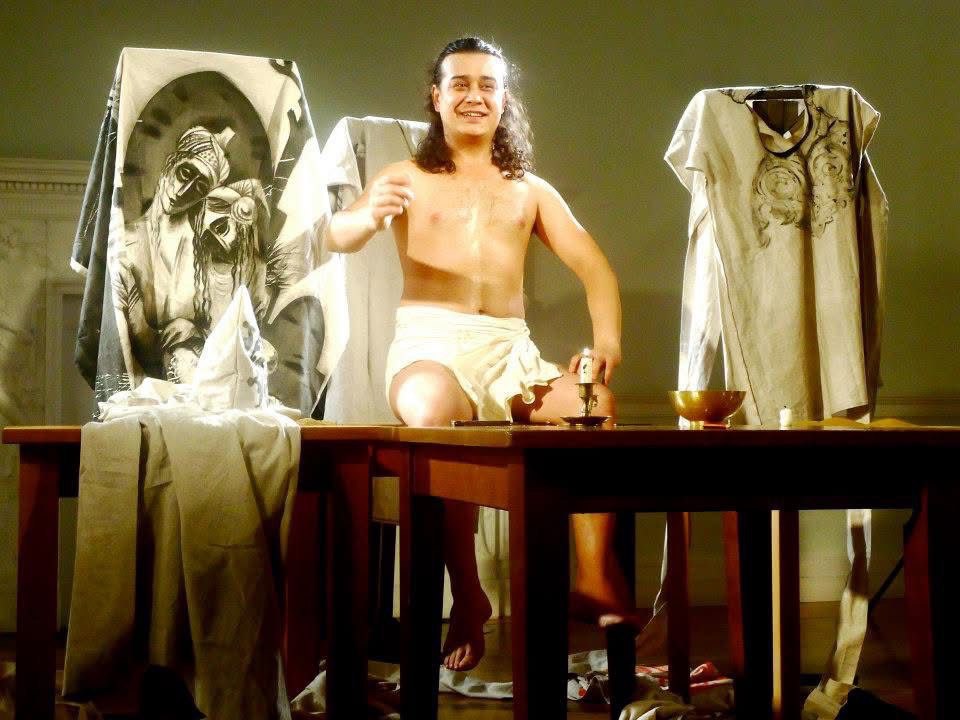

Today, Yuldosh Juraboev is a London-based artist whose life and career have been defined by resilience, reinvention, and an unshakable devotion to theatre. Born into a creative but struggling family in Soviet Central Asia, he grew up in the border town of Quvasay, surrounded by linguistic and cultural complexity. Uzbek, Tajik, and Russian were all part of his world. His parents, both refugees, met at a Soviet folklore festival—his father a flute player, his mother a dancer. Their love defied family expectations and a significant age gap, and the turbulence of their union shaped the emotional landscape of Yuldosh’s early life.
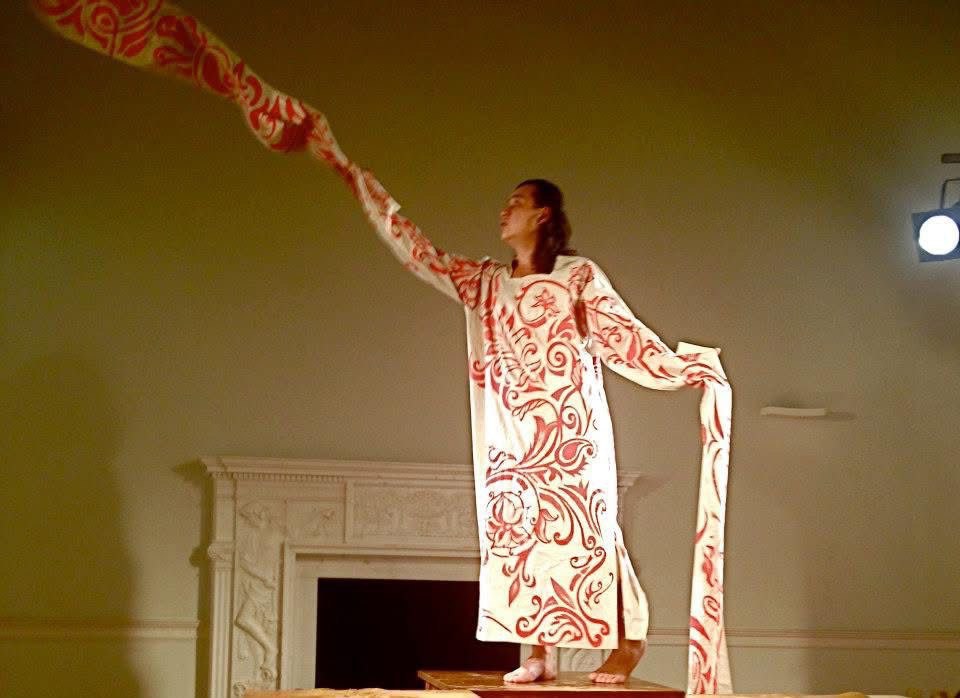

Poverty and personal hardship marked much of his childhood. His mother’s serious illness left a lasting impact. In this difficult context, it was school clubs and the local House of Culture that offered refuge. A theatre director there noticed his talent and encouraged him to pursue acting, a suggestion that changed his life. Theatre became not just a pastime, but a lifeline.
At 17, he left for Tashkent to apply to the State Arts Institute. Rejected on his first try, he remained undeterred. He sold bread in the streets, attended classes unofficially, and lingered at rehearsals and auditions—staying close to the world he longed to enter. Finally, in 1996, he was accepted and studied under prominent mentors such as Hamida Abdullaeva and Alimjan Salimov. After graduating in 2000, he quickly became a leading actor at the Uzbek Youth Theatre, especially known for his roles in youth and children’s productions.
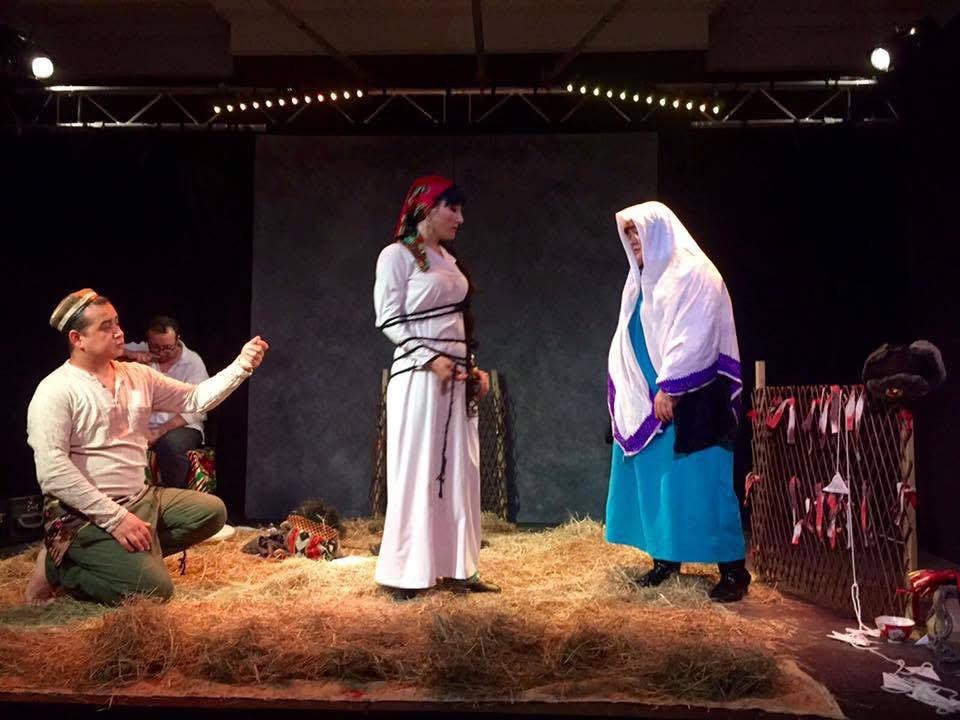
But the early momentum of his career was soon interrupted. After being passed over for a planned tour to Germany—despite holding the lead role—he experienced what he called his first major betrayal in the world of theatre. Deeply disillusioned, he left acting and took a position at the Ministry of Culture. Though it offered security, it could not satisfy his artistic spirit.
In 2003, theatre professional Nargiza Makhkamova invited him to join the Russian Youth Theatre. The atmosphere there was more inclusive, and he regained creative confidence. Esteemed actors like Babur Yuldashev entrusted him with lead roles. Yet again, personal responsibilities pulled him away—his father fell ill, and he married and began a family. He returned to public service but continued to give his best in every role, whether onstage or behind a desk.
A turning point came in 2004, when he moved to Moscow with his father and took courses in modern directing, including classes with the respected N. Krachkovskaya. However, the Russian theatre world proved unwelcoming to outsiders. Facing systemic discrimination, he returned to Uzbekistan and found some success in film, particularly as a dubbing director for Skan Multi (Iskander).

His career suffered another devastating blow when a close director collaborator was murdered under politically charged circumstances. Yuldosh was detained and interrogated. Not long after, Mark Weil—another prominent director—was also killed. Fearing for his life, Yuldosh applied for a UK student visa and moved to London in 2007.
Arriving in a foreign country with little support, he was immediately scammed by dishonest recruiters and left stranded at the airport. Local members of the Uzbek community helped him survive those early days. For two years, he worked tirelessly in construction and hospitality, never missing a day. Still, theatre never left him—he jotted down play ideas on scraps of paper during breaks.

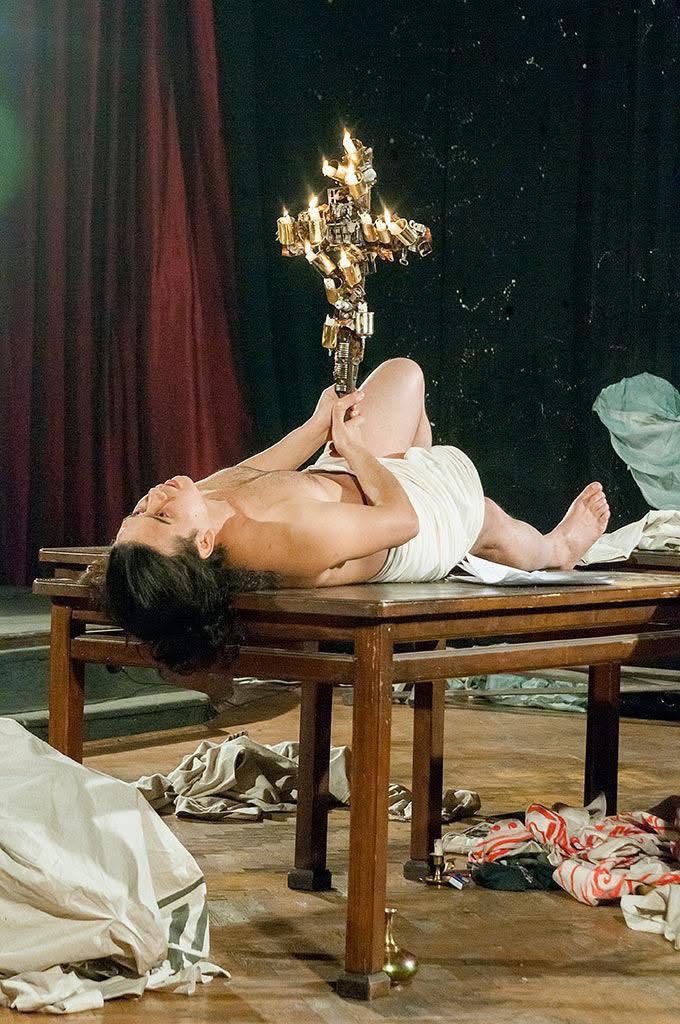
In 2012, while working at Senate House at the University of London, he organised a small cultural evening that featured Central Asian dance, folklore, and monologues. Dervish, a short English-language performance inspired by Sufi themes, debuted at this event. It was his first paid theatre job in the UK and rekindled his hope. The play was later developed into a full one-man show and became the foundation for Orzu Arts, the company he co-founded.
In 2013, he became the first Uzbek artist to represent his country at the Edinburgh Festival with Majnun, again directed by Ovlyakuli Khodjakuli. It was a multilingual solo piece where each character spoke a different language—Uzbek, Russian, and English. The performance, lasting over an hour, defied norms for solo acts. Yuldosh promoted the show himself, walking the streets in costume, handing out flyers. His audience was diverse—Eastern communities including Iranians, Afghans, Pakistanis, and Tajiks responded warmly.
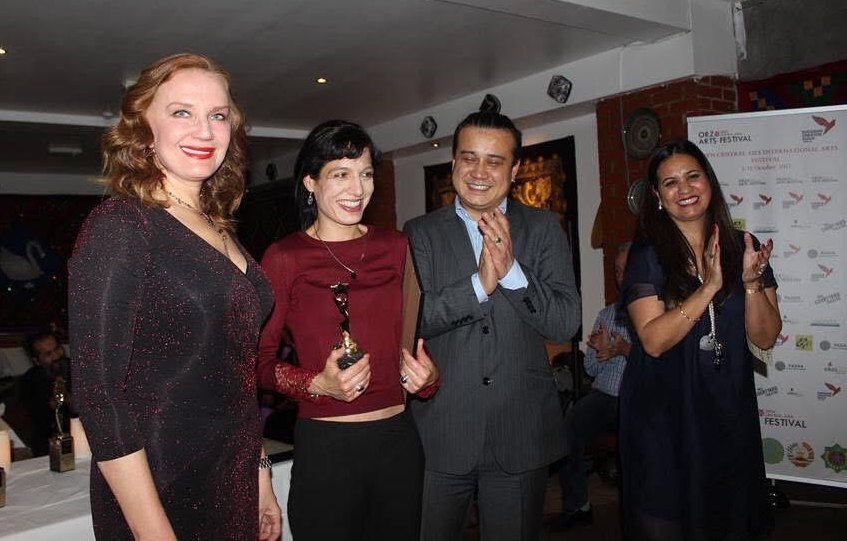

At one of these festivals, he met Kamola Makhmudova, a champion of Uzbek diaspora in the UK. Their collaboration was rich and enduring. In 2020, they co-organised a major festival with sixteen theatre groups. When Yuldosh later became seriously ill, Kamola urged him to keep creating, even as she quietly battled a terminal illness she never revealed.
Despite increasing recognition, his work remained largely self-funded. Symbolic gestures from the Uzbek embassy—such as tea receptions—did not translate into meaningful support. Between 2012 and 2015, he brought several Uzbek productions to the UK, including The Little Soldier by Chingiz Aitmatov and Transit Passenger by Dulyat Isabekov. The latter was performed in English and combined Uzbek physical theatre with modern dialogue.
By 2013 or 2014, he had the option to become a British citizen but declined, still dreaming of a return to Uzbekistan. In 2018, he bought a restaurant in London and converted it into a small cultural venue. But during a trip to Uzbekistan—where he was unlawfully detained—the property was resold. When he returned, it had been emptied and locked. With no legal contract, he had no recourse. It was yet another betrayal.
Soon after, his health collapsed. Diagnosed with cancer, diabetes, and a serious infection, he spent six months in the hospital. Since then, he has scaled back large productions, focusing on smaller concerts featuring Central Asian artists.
Since 2019, he has devoted part of his energy to advocacy. As a certified interpreter and a student of immigration law, he supports asylum seekers, particularly fellow Uzbeks and Tajiks. Justice, like art, has become central to his purpose.
Yuldosh Juraboev’s story is not only one of displacement and survival, but also of enduring creative passion. From the modest stages of Uchkorgon to the international spotlight of Edinburgh, his journey reflects the quiet power of perseverance. His life reminds us that while institutions may fail, and recognition may lag, the voice of a true artist—one who refuses to be silenced—will always find its stage.
Note:This is a series of essays by Lolisanam Ulugova, a graduate of the Erasmus+ Erasmus Mundus Joint Master Degree (EMJMD) Choreomundus – International Master in Dance Knowledge, Practice and Heritage. The essays were written during her professionalisation term, which took place at the University of Roehampton. In this collection, Ulugova explores cultural figures from Central Asia living in Europe—individuals who serve as bridges between cultures and work to deepen the understanding of Central Asian heritage abroad.