
By Dr.Beruniy Alimov
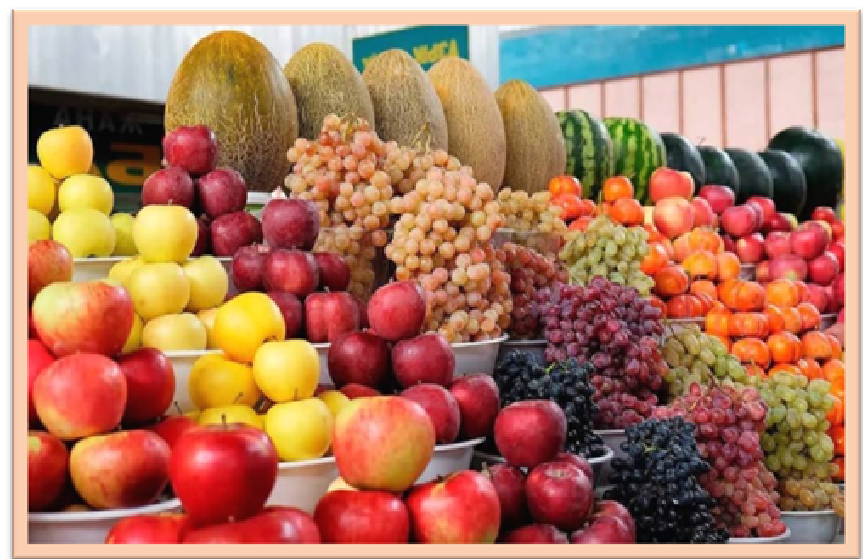
The agricultural sector of Uzbekistan has traditionally played a key role in the country’s national economy and social structure. It ensures food security, provides employment, and forms a significant share of the country’s export potential. In recent years, the sector has been undergoing an active transformation, opening up new opportunities for sustainable growth, attracting investment, and introducing modern technologies.
Agriculture remains one of the fundamental sectors of Uzbekistan’s economy. According to recent data, its contribution to gross domestic product (GDP) is around 18–19%, which is significantly higher than the global average. At the same time, the sector provides employment for approximately one quarter of the country’s working population.
The agricultural sector is particularly important for rural areas, where nearly half of the population resides. This makes it not only an economic driver but also a key factor in social development.
Uzbekistan has favorable natural and climatic conditions for agriculture, including a well-developed irrigation system and the ability to cultivate a wide range of crops-from grains to fruits and vegetables.
In recent years, a number of large-scale reforms have been implemented in the agricultural sector, aimed at liberalization and improving efficiency. In particular, state quotas and price controls on key crops have been abolished, encouraging a shift toward more profitable areas such as horticulture and vegetable production.
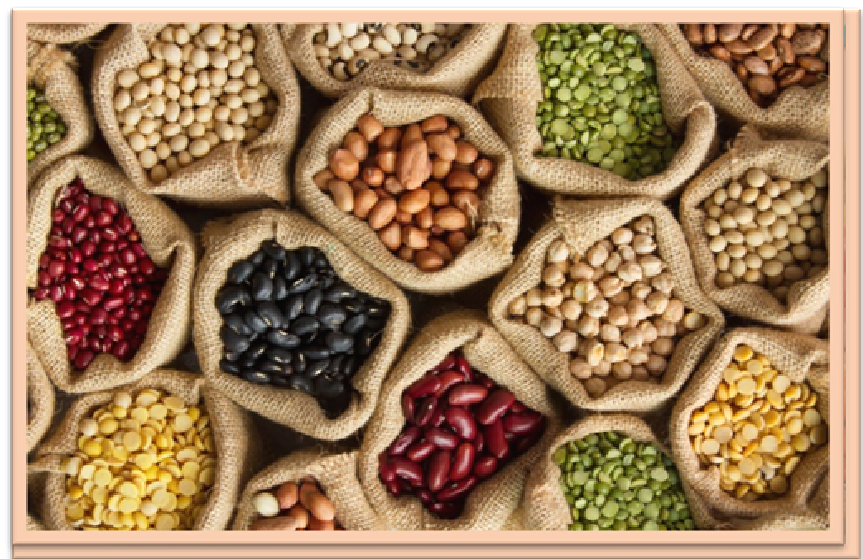

A key strategic document is the “Agricultural Development Strategy for 2020–2030,” which outlines nine priority areas, ranging from ensuring food security to developing agribusiness and increasing investment attractiveness.
Additional momentum is provided by government support measures, including tax incentives, subsidies, and the digitalization of the sector. For example, electronic systems for subsidy distribution and platforms for interaction between farmers and the government have been introduced in recent years, reducing administrative barriers.
It is also important to highlight innovation and technological development in the sector.
The current stage of agricultural development is characterized by the active introduction of innovative solutions. The use of water-saving technologies is expanding across the country, which is especially important given limited water resources.
Mechanization and digitalization are also advancing: modern agricultural machinery, monitoring systems, and production management tools are being introduced. These measures help increase productivity, reduce costs, and improve product quality.

Importantly, Uzbekistan is gradually shifting from its traditional focus on cotton and grain toward a more diversified agricultural model. Today, the production of fruits, vegetables, and processed products is developing rapidly.
In recent years, the country has demonstrated significant production volumes, including millions of tons of vegetables, fruits, grains, and livestock products. This creates a solid foundation for expanding exports and entering new international markets.
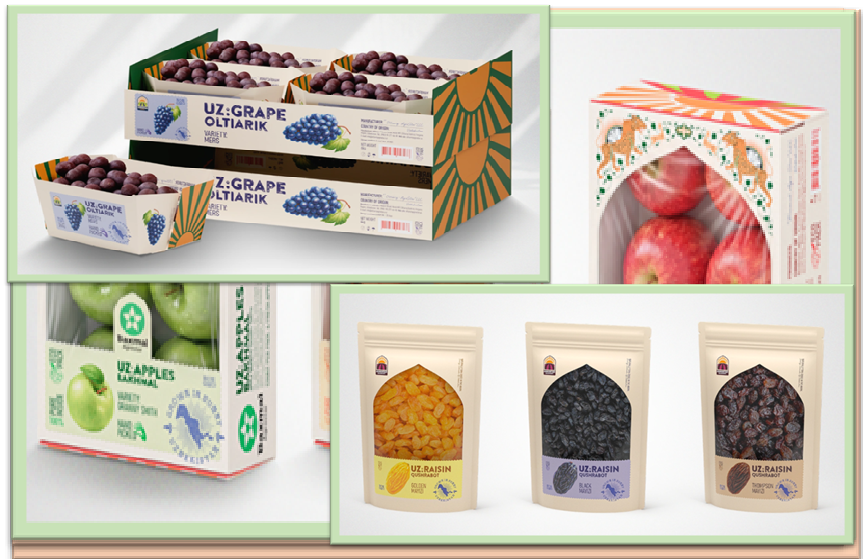
Particular attention is being paid to developing value chains—from cultivation to processing and packaging—which enhances the global competitiveness of Uzbekistan’s agricultural sector.
Thus, the agricultural sector of Uzbekistan is undergoing a phase of qualitative transformation. Reforms aimed at liberalization, digitalization, and attracting investment are creating a solid foundation for further growth.
The combination of natural potential, government support, and the introduction of innovations opens up new prospects for the sector’s development. In the context of global challenges such as climate change and rising demand for food, Uzbekistan has every opportunity to strengthen its position as an important agricultural player at both regional and international levels.