By Dr Majid Khan (Melbourne):
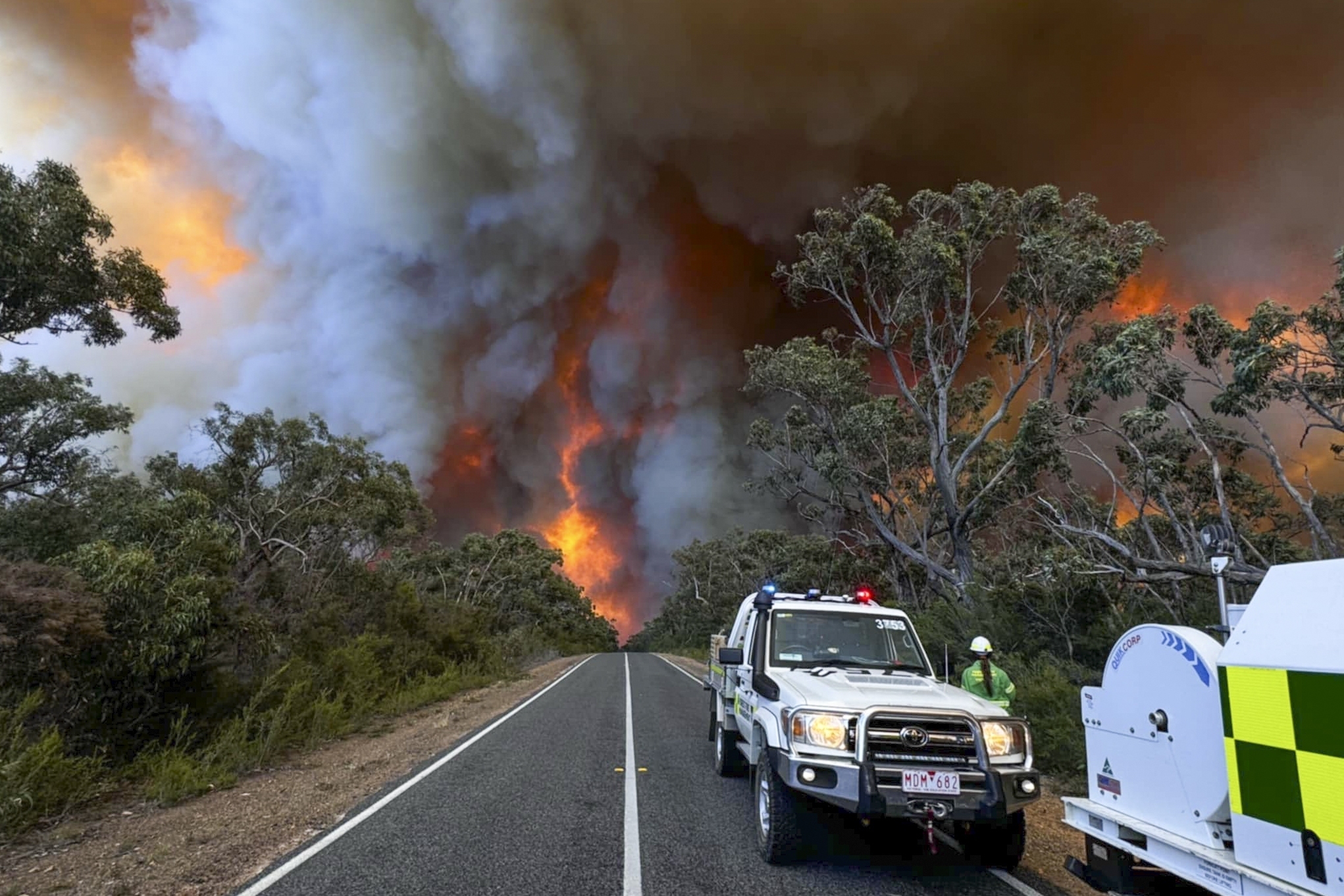
In early 2026, the Australian state of Victoria has been thrust into a familiar yet terrifying nightmare as a series of catastrophic bushfires tore through the landscape with unprecedented speed. Following a period of extreme heatwaves where temperatures soared above 45 degrees, the fires near Longwood and Walwa became the epicenters of a disaster that has scorched hundreds of thousands of hectares. The declaration of a state of disaster by Premier Jacinta Allan signaled the severity of the crisis, marking this as the most significant fire event since the notorious Black Summer of 2019-2020. As the smoke clears and the immediate threat recedes, the focus has shifted toward a recovery effort that is as complex as it is vital for the state’s future.
The recovery process is not merely about clearing charred debris or rebuilding lost structures; it is a multi-dimensional challenge involving economic, environmental, and social restoration. Global observers are watching closely as Victoria attempts to navigate the aftermath of a disaster fueled by a changing climate.
A volatile mix of high fuel loads and erratic, gusty winds drove the fires that ignited in early January 2026. By the time the state of disaster was officially declared on January 10, over 300,000 hectares had already been consumed. This legal declaration granted emergency services extraordinary powers to evacuate residents and manage resources across 18 local government areas. The atmosphere in regions like Strathbogie and Towong was one of chaotic urgency as thousands of residents were forced to flee their homes, leaving behind possessions and histories in the path of the advancing flames.
For the global community, the images of red-tinged skies and columns of smoke rising from the Victorian bush served as a stark reminder of the intensifying natural disasters facing the continent. Thousands of displaced citizens, many of whom were still in shock, attended the initial recovery meetings held in relief centers. These early gatherings were essential for establishing a line of communication between the government and the people, providing a platform for the first official updates on the scale of the loss. The declaration of the state of disaster provided the necessary legal and financial framework to ensure that no community would be left to face the embers alone.
Once the fire grounds were deemed safe for entry, teams from Emergency Recovery Victoria and local councils began the painstaking task of damage assessment. This process involved the use of satellite imagery and ground-level inspections to categorize the destruction of over 900 buildings, including hundreds of primary residences. Restoring essential services such as power, water, and telecommunications was the first logistical hurdle of the recovery. More than 30,000 homes and businesses lost power during the peak of the fires, and many regional areas were left without reliable drinking water after ash and fire-fighting chemicals contaminated tanks. Utility companies deployed hundreds of technicians to repair wire-rope barriers, signage, and thousands of kilometers of downed power lines. The goal was to provide a semblance of normalcy as quickly as possible, even in areas where the physical landscape remained unrecognizable.
The economic shock of the 2026 bushfires necessitated an immediate and significant financial intervention from both the state and federal governments. Under the joint Disaster Recovery Funding Arrangements, a suite of payments was activated to help families cover the costs of basic necessities like food, clothing, and medication.
The agricultural impact of the 2026 fires was devastating, with over 15,000 livestock reported dead in the first week alone. For farmers in the Hume and Goulburn Valley regions, the loss of stock represents not only a financial blow but a significant emotional toll, as many of these animals were part of long-standing breeding programs. The destruction of paddocks, fencing, and fodder storage has left surviving livestock in a precarious position, necessitating a massive logistics operation to deliver emergency feed and water to fire-ravaged properties.
To address this crisis, primary producer recovery grants of up to 75,000 dollars were established to assist with the costs of clean-up and reinstating farm enterprises. These funds are intended for essential activities such as the humane disposal of carcasses, the rebuilding of on-farm infrastructure, and the restoration of pastures. The long-term agricultural recovery will require a focus on restoring soil health and managing the influx of invasive weeds that often colonize burnt ground. The bushfires of 2026 caused significant disruptions to Victoria’s transport network, effectively cutting off entire regions during the height of the crisis. Major routes, including parts of the Hume Highway and several regional arteries like the Murray Valley Highway, were either closed or heavily restricted due to fire proximity and the danger of falling trees. Reopening these roads was a top priority for recovery teams, as they are the primary conduits for emergency supplies, reconstruction materials, and the return of displaced residents.
The environmental toll of the 2026 fires has been profound, with vast tracts of native forest and state parks, including Mt Lawson and Wonnangatta, suffering severe damage. The loss of wildlife is estimated to be in the millions, as the speed and intensity of the fires left little chance for slower-moving species to escape. Environmental remediation efforts are now underway, focusing on protecting water catchments from ash runoff and providing supplementary food and water stations for surviving animals in unburnt “refuges” within the landscape.
Water quality is another major concern in the post-fire landscape. The destruction of vegetation increases the risk of soil erosion, which can lead to the siltation of rivers and reservoirs following heavy rain. This poses a threat to both aquatic life and the safety of town water supplies. While the physical scars of the bushfires are visible, the psychological impact on the survivors is equally significant and often more enduring. The trauma of evacuation, the loss of homes, and the witnessing of environmental devastation have left many Victorians struggling with anxiety and grief.
As the recovery moves into the reconstruction phase, the central question facing many Victorians is how to rebuild in a way that is safe and sustainable. The fires of 2026 have reignited debates about planning laws and building codes in regions that are increasingly prone to extreme weather. Many homeowners are finding that insurance premiums have skyrocketed or that their previous building standards are no longer sufficient to meet the new “catastrophic” fire ratings. This creates a complex challenge for families who want to return to their land but are faced with significant financial and regulatory barriers.
The Victorian government is exploring new models for resilient housing, including “Build-to-Rent” schemes and townhouse developments that incorporate fire-resistant materials and smart design. There is also a push for better community-scale infrastructure, such as fortified fire shelters and independent micro-grids that can maintain power even when the main grid fails. These innovations are essential for ensuring that rebuilt communities are better prepared for the next fire season. However, the cost of these upgrades is a major concern, and there is an ongoing discussion about how to balance safety with affordability for low-income residents.
For some communities, the recovery may involve difficult conversations about “managed retreat” the idea that some areas may simply be too dangerous to inhabit in the long term. While this remains a controversial topic, the recurring nature of these disasters is forcing a rethink of urban and regional planning. The 2026 recovery is not just about returning to the status quo; it is an opportunity to redesign how we live in the Australian landscape. By integrating resilience into every aspect of the rebuilding process, Victoria hopes to create a blueprint for other fire-prone regions around the world.
Every major bushfire event in Australia brings a period of intense reflection and policy review. The 2026 fires have already prompted calls for a new inquiry into land management practices, specifically the effectiveness of prescribed burning and the management of fuel loads in national parks. There is a growing consensus that traditional methods may no longer be sufficient in the face of the extreme heat and dry conditions that are becoming the new normal. Future policy adjustments will likely focus on integrating Indigenous fire management techniques with modern technology to create a more holistic approach to fire prevention.
The policy response will also need to address the broader economic impacts of these disasters. The 2026 fires have highlighted the vulnerability of regional tourism and agriculture, leading to calls for more robust insurance schemes and economic diversification. The government is looking at ways to support these industries through “climate-proofing” initiatives that reduce their exposure to natural disasters. By learning from the successes and failures of the 2026 recovery, Victoria aims to build a more proactive and flexible policy framework that can respond to the challenges of an increasingly unpredictable environment.
The 2026 Victorian bushfire recovery is a story that resonates far beyond the borders of Australia. As nations across the globe face their own climate-related disasters, the lessons learned in the Australian bush are becoming an international case study in resilience and adaptation. The way Victoria manages its recovery balancing the needs of its people, its economy, and its environment will offer valuable insights for other regions grappling with the reality of a warming world. Australia’s bid to host the COP31 climate conference in 2026 has added a layer of international scrutiny to its domestic policies, making the success of this recovery even more significant.