
By Nada Sabreen
No one dreams of depression, yet it has become a heavy burden on millions of people, affecting rich and poor alike, and developing and developing nations alike. In an era where indicators of wealth and technological advancement are on the rise, so too are indicators of anxiety, loneliness, and isolation, especially among Generation Z and Millennials. This paradox leads us to a seemingly simple yet profoundly complex question: Why doesn’t wealth always buy happiness?.
Perhaps what pains those suffering from depression most is not the illness itself, but the feeling that society doesn’t understand the extent of their suffering. One Egyptian woman who has experienced this sums up this feeling, saying, “The hardest part of depression isn’t the illness itself, but the feeling that many don’t see it. People empathize with physical pain because it’s visible, but psychological pain remains incomprehensible to many, even as you fade away before their very eyes.” These words are not merely a personal testimony; they reflect a tragedy experienced by millions who suffer in silence, their wounds invisible to those around them.
It is no coincidence that the World Happiness Report 2025 confirms that wealth is not the only path to happiness. The report, published annually based on extensive surveys, measures happiness through six key indicators, including social support, trust, freedom, health, and generosity. Finland retained its top spot globally for the eighth consecutive year, while the results revealed that the strength of human relationships and mutual trust have become more influential on feelings of happiness than income level alone. Money may improve living standards, but it cannot dispel loneliness or provide peace of mind.
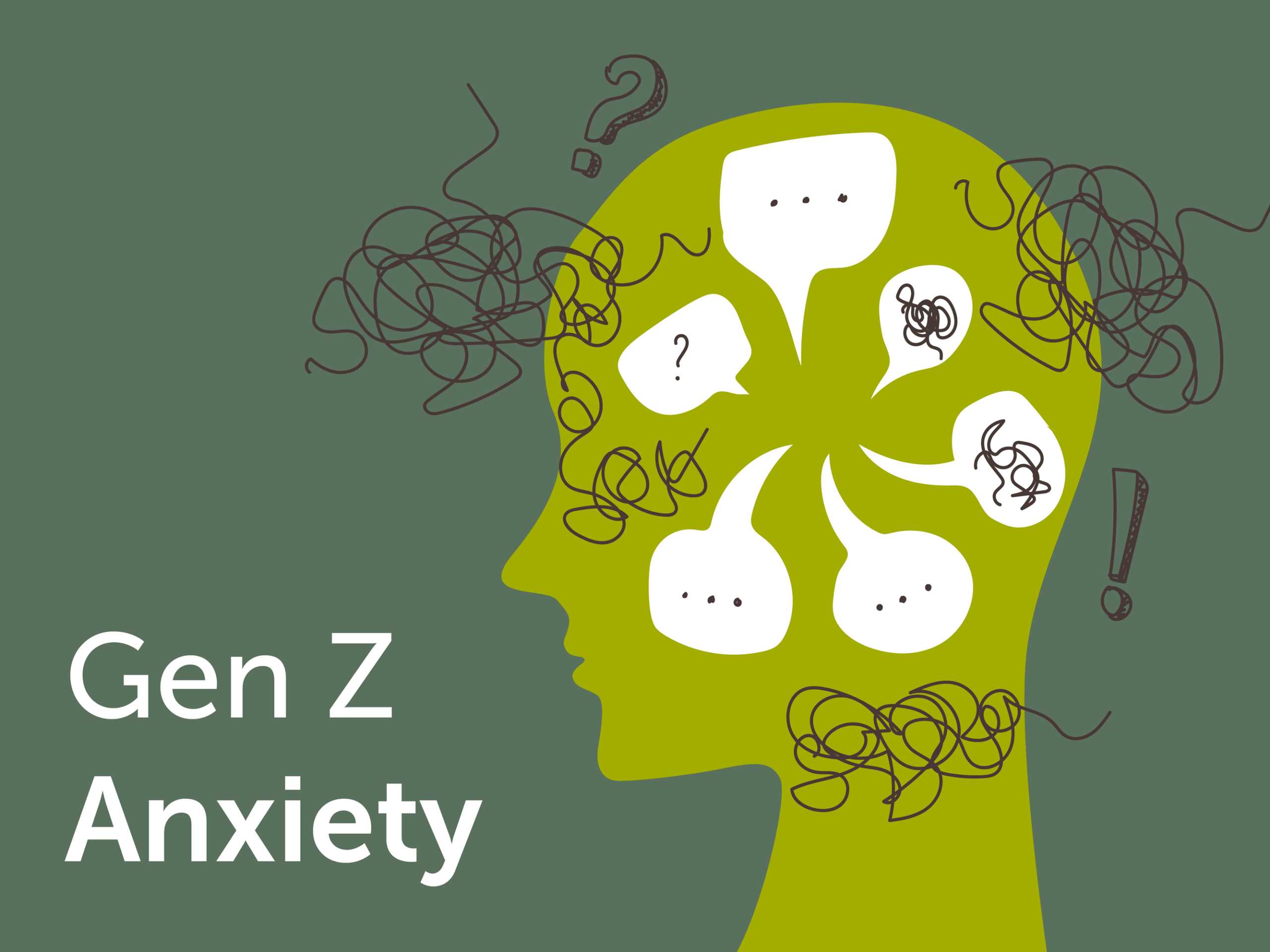
The world has changed faster than new generations can comprehend. The COVID-19 pandemic, wars, geopolitical tensions, climate change, and the artificial intelligence revolution, which raises increasing questions about the future of jobs, have all created a state of chronic anxiety, making Generation Z and Millennials more future-conscious than any generation before them.
Social media has further complicated the landscape. Instead of being a means of communication, social media has often become a platform for constant comparison, where the lives of others appear more successful and happier than they actually are. Anxiety is no longer solely linked to the fear of unemployment or the rising cost of living; it is now also connected to what psychologists call “comparison anxiety.” Every minute a young person spends in front of their phone screen is bombarded with dozens of images of people who appear more successful, beautiful, and happy, while behind these images, they remain blind to the failures and struggles these individuals may be concealing. Over time, this comparison transforms into a persistent feeling of dissatisfaction, as if life were a race with no finish line. The World Happiness Report also noted that the quality of social relationships, rather than the number of followers on digital platforms, is the most influential factor in young people’s feelings of happiness and life satisfaction.
Global happiness indicators are no longer interpreted in isolation from mental health indicators. According to the World Health Organization, approximately 280 million people worldwide suffer from depression, and depression and anxiety have become among the most prevalent mental disorders, leading to a decline in quality of life and productivity. Studies indicate that rates of anxiety and depression among young people have risen significantly in recent years, particularly after the COVID-19 pandemic. Mental health experts believe that economic pressures, uncertainty about the future, social isolation, and excessive use of social media have all contributed to making Generation Z and Millennials more susceptible to anxiety and depression compared to previous generations, despite being the most connected to the world and the most technologically advanced.
Perhaps the biggest problem is that Generation Z and Millennials are no longer afraid to admit to anxiety or depression; rather, it is society that still reacts to such admissions with considerable embarrassment or misunderstanding. While everyone rushes to check on someone who has broken their leg or undergone heart surgery, those suffering from depression are still expected to “stick it up,” “think positively,” or “get over it.” While psychiatry has made significant strides in understanding depression as a treatable illness, the stigma associated with it still prevents many from seeking help in a timely manner.
And therein lies the most important message. Happiness is not a commodity to be bought and sold, nor is it an automatic result of increased income. Rather, it is the fruit of healthy human relationships, a cohesive family, genuine friends, and a community that makes its members feel they are not alone in facing life’s challenges. A kind word, a sincere listening ear, and the feeling that someone understands your suffering can sometimes be the beginning of the road to recovery.
Therefore, true investment in the future begins not with the economy alone, but with people. It begins with families that provide their children with support, with schools that teach them that seeking help is not a weakness, and with a society that treats mental health as an integral part of overall well-being, not a marginal issue or a stigma to be hidden.
Perhaps this is the most important lesson in this era of great anxiety. The world has succeeded in building smarter cities, more productive economies, and means of communication that bridge distances, but it has not been as successful in reducing feelings of loneliness and anxiety. Wealth can buy a house, but it cannot buy the warmth of family; it can provide the best medicine, but it cannot buy a true friend or a shoulder to lean on in a moment of weakness. Ultimately, true happiness remains the fruit of genuine human relationships, mutual trust, and the feeling that, no matter how isolated one feels, there will always be someone who sees and understands them.