By Dr.Shabnam Delfani
Iran’s current wave of unrest is not a sudden eruption but the inevitable outcome of a prolonged economic siege combined with deep internal structural injustice. Decades of sweeping international sanctions—targeting oil exports, banking, shipping, and foreign investment—have systematically dismantled Iran’s economy. These measures have choked access to hard currency, collapsed state revenues, and stripped the government of the ability to stabilize prices or protect public welfare. The result is catastrophic inflation, a devastated national currency, and a cost of living crisis that has pushed food, housing, and medicine beyond the reach of millions.
This economic collapse has laid bare a brutal inequality. While ordinary Iranians face shrinking incomes and eroding dignity, powerful networks tied to political and security institutions continue to dominate key sectors, exploiting sanctions through monopolies, currency speculation, and opaque financial channels. This oligarchic system has insulated a small elite from hardship while transferring the full burden of sanctions onto workers, families, and small businesses. Public anger is driven not only by poverty, but by the clear injustice of a system in which suffering is widespread while accountability is absent.
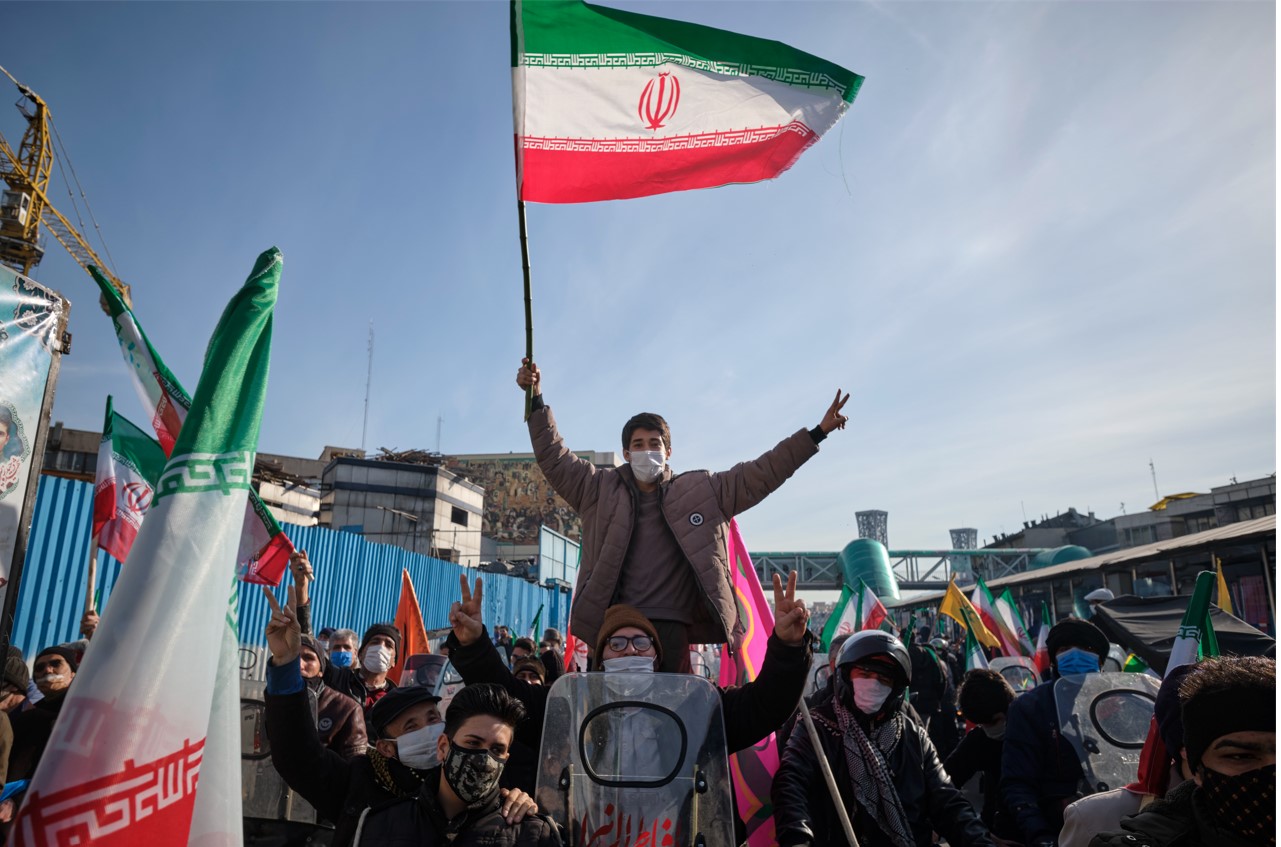
Protests began as legitimate, peaceful demands for economic survival and basic dignity. Yet these grassroots movements were increasingly overtaken by violent riots, destruction, and chaos. Iranian authorities argue that foreign actors seized upon genuine social pain to hijack protests for destabilization purposes, amplifying unrest through media operations, political signaling, and covert interference. this dynamic has undeniably shifted the trajectory of the unrest—undermining peaceful protest, empowering repression, and drowning out the voices of those seeking reform rather than collapse.
The danger now extends far beyond Iran’s borders. Any military confrontation involving Iran would be a disaster on a regional and global scale. War would not remain contained; it would ignite multiple fronts, destabilize the Middle East, disrupt global energy supplies, and drive inflation higher worldwide. Such a conflict would entrench hardline forces on all sides, devastate civilian populations, and lock the region into years—if not decades—of instability and violence.
At this critical moment, the continuation of broad economic sanctions is indefensible. Millions of Iranians—men, women, and children with no control over geopolitical decisions—have already paid an unbearable price. Sanctions have failed to deliver political solutions, but they have succeeded in impoverishing a population and fueling social breakdown. Immediate and substantial lifting of economic sanctions is not a concession; it is a humanitarian necessity. Without economic relief, unrest will deepen, peaceful dissent will be further radicalized, and the path toward war will grow ever shorter. Ending collective punishment is the first step toward de-escalation, justice, and the possibility of genuine reform.