By Mohammad Raashid (Islamabad):
After the U.S. military withdrawal from Afghanistan in 2021, many Afghans who opposed Taliban ideology including media workers and activists, fled the country amid growing threats. Among them was a 28-year-old woman (Surya Wahidi) from northern Afghanistan who left in 2022. She later faced deportation from Pakistan in 2025 under the country’s tightened visa and residency policies targeting Afghan nationals. Unable to return safely to Afghanistan because of continuing threats from the Taliban, she re-entered Pakistan illegally.
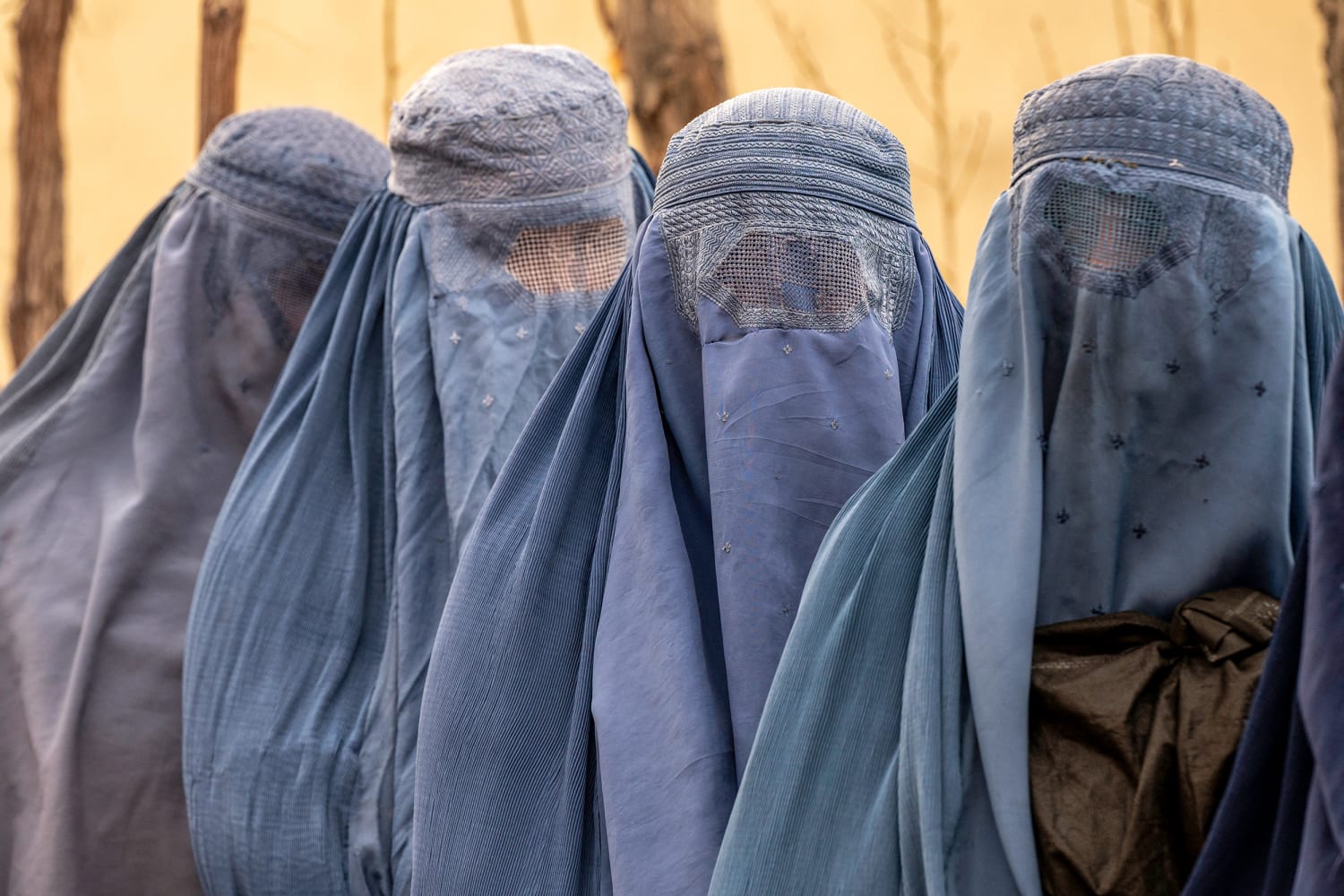
According to Ms. Surya Wahidi, many Afghan women feel that the United States and its allied forces responsible for abandoning them to the Taliban, leaving them vulnerable and defenseless. She said the Taliban treat women as little more than slaves.
According to her account, she traveled from Helmand province to the border town of Bram Chah with an Afghan human smuggler and was then handed over to a Baloch Human smuggler. She observed that the same route is also used by Baloch insurgents and Tehrik-e-Taliban Pakistan (TTP) militants to move into Pakistan for terrorist activities.
A woman working as an aid worker with the Pakistan International Human Rights Organization (PIHRO) network allegedly facilitated her illegal transfer from Quetta to Islamabad. The PIHRO worker arranged for a man to collect her in Quetta and bring her safely to Islamabad. Instead of safety, the journey turned dangerous.
Ms. Surya further alleged that a man named Shah Ibrar, who presented himself as an official of Pakistan’s premier intelligence agency, purchased her from a woman associated with PIHRO. She claimed she was subsequently sold to an Afghan national named Faisal. According to her account, both men attempted to sexually harass her, but she managed to escape and survive the ordeal.
Ms. Surya Wahidi has alleged that the Afghan Taliban systematically humiliate women from non-Pashtun communities. She claimed that when fighters identify an attractive young woman, they forcibly take her for marriage, leaving her family with no choice but to consent under duress. Wahidi further appealed to international actors, including the United States, European nations, Australia and Japan, to pressure the Taliban regime to honor the Doha Agreement with the United States. Under that accord, she noted, Afghan women were promised the right to education and protection from humiliation. She also highlighted the Taliban’s particularly aggressive treatment of citizens in northern Afghanistan.
Ms. Surya Wahidi stated that, she is trying to live and don’t want to escape again and again. Returning to Afghanistan risks Taliban reprisals, while staying in Pakistan has exposed her to repeated attempts at sexual harassment and deportation to Afghanistan. She has contemplated suicide but holds back when she thinks of her parents.
In 2025, after the Pakistan’s strict visa policy and deportation, Mr. Usman, a former official of the Afghan army, took his own life. His case underscores the desperation faced by many Afghans, particularly women, who say they would rather die than return to confront the Taliban regime and the terror it continues to impose.
Wahidi and many other Afghans say Western countries that once offered hope have largely disappointed those waiting for resettlement. Promises of relocation to the United States, Europe, or Australia have left large numbers of people in prolonged uncertainty.
Through this account, Wahidi urges international actors to intervene. She calls for priority resettlement of vulnerable Afghan women, especially those alone to the United States, Europe, Australia, or Japan. Alternatively, she asks the international community to request the Pakistani government for a more lenient visa policy for non-Pashtun Afghans and particularly for single women.
She notes that after deportation, many of these women are forced to return via the same Afghan and Baloch human-smuggling networks that are also exploited by Baloch insurgents and the TTP.