By Dr Majid Khan (Melbourne):
As the Russia‑Ukraine war enters its fifth year, the battlefield continues to be shaped by fierce combat, evolving strategies, shifting alliances, and an enduring struggle for advantage that shows no sign of abating. Once framed as a short‑lived “special military operation,” the conflict has become a protracted and attritional struggle defined by brutal trench warfare, high‑tech drone campaigns, deep strikes into rear areas, and political maneuvering that reverberates far beyond Eastern Europe.
The past months have underscored how dynamic and complex this war has become. On the battlefield, both sides continue to claim progress, even as independent analysts highlight the grinding realities of attrition and stalemate. Ukrainian commanders report that their defensive actions have significantly slowed Russia’s territorial advances in 2026, reducing the pace of Kremlin gains by more than half compared with earlier periods of the year. According to Ukraine’s Commander‑in‑Chief Oleksandr Syrskyi, a large‑scale Russian offensive earlier this year failed to achieve its objectives despite Moscow’s numerical advantage in personnel and equipment, reflecting the effectiveness of Ukraine’s defensive preparations. These statements shed light on Russia’s broader operational difficulties.
At the same time, independent battlefield assessments suggest uneven patterns of territorial control. Russia’s progress on the frontlines is modest in absolute terms, with net gains measured in square miles over recent months, but overall control remains contested and fluid, illustrating a war of attrition that favours neither side decisively. Analysts point out that while Russia has occasionally registered small territorial gains, these often follow setbacks and do not translate into strategic breakthroughs. This nuanced picture underscores the limitations of major offensive operations amid strengthened Ukrainian defenses and sustained international support.
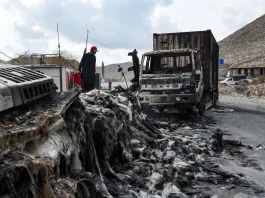
Perhaps the most visible change on the battlefield has been Ukraine’s expansion of its strike campaign beyond the immediate frontline. Long‑range drone and missile attacks have increasingly targeted Russian infrastructure, including energy installations, logistics hubs, and transportation corridors deep inside Russian territory. According to multiple reports, Ukrainian forces have struck key oil refineries and fuel facilities, resulting in significant disruption to Russia’s energy production capacity and contributing to fuel shortages across large swaths of the country. Long queues at petrol stations, rationing measures in several regions, and bans on diesel exports to stabilize internal markets reflect the severity of these disruptions. These strikes represent not only a tactical evolution but a broader strategic effort by Kyiv to degrade Moscow’s ability to sustain its military operations over the long term.
Ukraine’s drone swarms have also drawn attention for their scale and persistence. Recent operations over several days involved waves of unmanned aerial vehicles directed at targets as far flung as the Moscow region, prompting Russia to claim it downed nearly a thousand drones within 24 hours. While Russian authorities tout these interception figures, Ukrainian commanders characterize the drone campaign as central to undermining Moscow’s logistical and strategic networks. These operations, which include attacks on vessels in the Sea of Azov and infrastructure around Crimea, are part of a broader “influence operation” that Kyiv seeks to sustain over weeks and months. This reflects how technology and unmanned systems are reshaping conventional large‑force wars into battles of attrition and disruption.
On the defensive side, Russia has not remained passive. Russian federal authorities recently reported intercepting Western‑manufactured, AI‑powered explosives‑laden drones allegedly intended to strike deep strategic targets such as air bases in the Urals and the Far East. Moscow’s Federal Security Service claimed to have foiled operations involving drones shipped covertly from Ukraine, illustrating that both sides now conduct long‑reach operations well beyond traditional frontlines. The Kremlin has sought to cast these incidents as evidence of what it labels Western complicity, even as Kyiv and its allies maintain that such operations are legitimate military actions against an invading force. The increasingly asymmetric nature of these engagements underscores how the war has evolved far beyond conventional battlefield clashes.
The political landscape in Kyiv has reflected the strains of prolonged conflict as well. In July 2026, Ukrainian Prime Minister Yulia Svyrydenko resigned after a year in office, triggering a broader government reshuffle announced by President Volodymyr Zelenskyy. The shake‑up, which includes changes in law enforcement leadership and key appointments in the energy sector, comes amid intensified operations and enduring economic hardship. Zelenskyy’s pivot toward expanded defense cooperation, including U.S. promises of support for Ukraine’s production of Patriot missile systems, signals a deepening strategic alignment with Western partners but also highlights Kyiv’s ongoing dependence on foreign aid and technology to sustain its war effort. These domestic political shifts point to the challenges of governance in a nation at war and the interplay between military priorities and civil administration.
On the diplomatic front, the conflict continues to draw significant foreign engagement. In Paris, Ukraine and nine European countries including France, Germany, Italy, Sweden and the United Kingdom announced a coalition to build a shared ballistic missile defense system designed to protect Europe from threats posed by Russian missiles. This collective initiative reflects enduring support for Ukraine among European allies and underscores a strategy of integrated defense preparedness that extends beyond Ukraine’s borders. While Kyiv’s cause continues to command Western backing, it also highlights how the war has reshaped defense priorities across the continent and accelerated collaborative security projects that may endure even if peace is someday achieved.
Despite overtures toward negotiation at various points in the war’s history, diplomatic momentum has been inconsistent. Reports indicate that Russian President Vladimir Putin remains determined to pursue territorial objectives, especially in the contested Donbas region, and has resisted ceaseless peace proposals despite intermittent conversations with Western leaders. Sources close to the Kremlin suggest that Putin views continued military pressure as essential to his domestic political legitimacy and strategic goals, even at great economic cost amid sanctions and mounting battlefield setbacks. There is even concern among analysts that Russian escalation could extend beyond Ukrainian territory, potentially targeting critical sites in Europe, raising the specter of a broader confrontation that NATO and Western capitals have worked hard to avoid. Such rhetoric underscores the persistent tension between war fatigue and strategic imperatives that define Moscow’s calculus.
Part of Russia’s hesitation toward genuine ceasefire talks is rooted in the internal costs of the war. Comprehensive assessments suggest that Russian battlefield casualties including wounded, missing, and killed number in the hundreds of thousands, and that Russia’s military has struggled to maintain initiative amid persistent Ukrainian resistance and effective coalition support. Additionally, Russia’s economy continues to bear the weight of prolonged conflict and sanctions, contributing to structural stress across multiple sectors far beyond the energy industry, including construction and industrial output. These pressures have eroded public confidence in sustained wartime policies and intensified debate within Russia about the conflict’s direction and long‑term feasibility. This internal dimension illustrates how protracted wars can drain national capacity even in the absence of decisive battlefield defeats.
Ukraine’s own challenges are significant. Despite expanding its strike capability and leveraging drone technology effectively, Kyiv faces persistent vulnerabilities, including uneven air defense resources and ongoing pressure along multiple frontlines. Western allies have pledged additional support, but shortages in air defense systems and advanced strike platforms continue to leave Ukrainian positions exposed to Russian missile and drone barrages. Efforts to procure and integrate new technologies such as the German commitment to fund 50,000 strike drones underscore the strategic imperative of technological superiority in modern conflict, yet also highlight logistical and production bottlenecks inherent in war economies. The interplay between battlefield needs and industrial capacity is a defining feature of this conflict’s trajectory.
Beyond the immediate theater of combat, the Russia‑Ukraine war has had profound global consequences. Economies far beyond Eastern Europe have felt the impact, from energy market volatility sparked by disruptions in Russian fuel exports to renewed discussions among NATO members about collective defense obligations and strategic commitments. Countries like India have asserted diplomatic influence, with leaders such as Prime Minister Narendra Modi being singled out by Western officials as key voices Moscow listens to on geopolitical questions, suggesting that the war’s implications extend into global balancing acts among major powers. The strategic decisions made by non‑Western actors like India will likely influence the contours of future conflict dynamics and diplomatic negotiations, as they navigate competing pressures from Russia, Western allies, and regional interests.
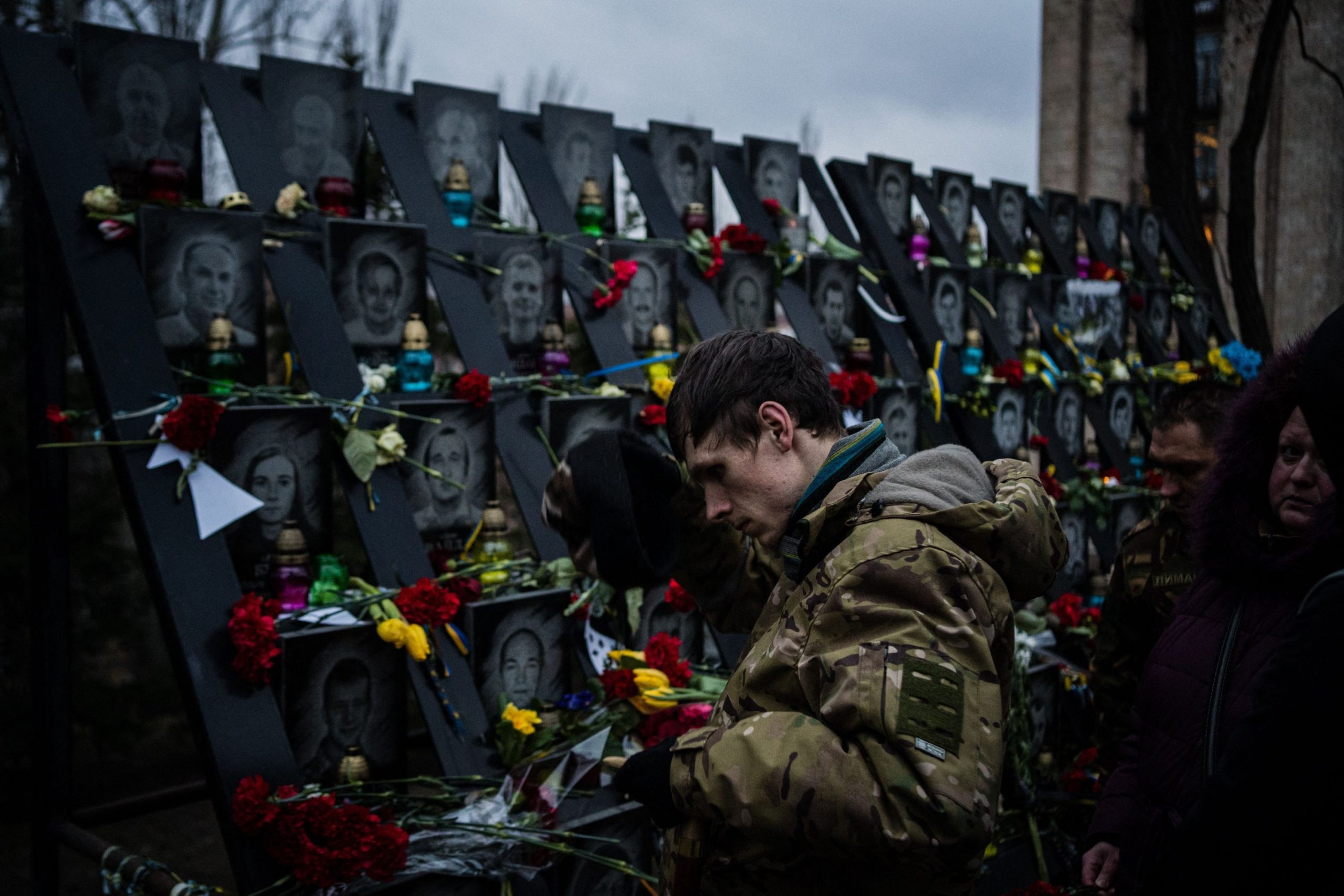
Amid these developments, it is impossible to ignore the human cost. Millions of Ukrainians remain displaced, infrastructural destruction is pervasive, and repeated bombardments have taken an enormous toll on civilian populations. At the same time, Russian families throughout the country have faced loss and economic hardship precipitated by the war’s pressures and sanctions. The fight over cities like Zaporizhzhia and frontline towns such as Kostiantynivka in Donetsk Oblast remains ferocious, with each engagement reinforcing the brutal reality of modern warfare in which urban centers and civilian life are inseparable from military objectives. The continuing density of firepower and the integration of aerial, armored, and unmanned systems marks this conflict as emblematic of twenty‑first century war highly destructive, technologically sophisticated, and deeply disruptive to societies on both sides of the battlefield.
Looking ahead, two broad possibilities dominate discussions among policymakers and analysts. One scenario envisions a negotiated stalemate reinforced by international pressure, sustained defense cooperation among Ukraine’s allies, and incremental battlefield progress that leaves both sides locked in a protracted but controlled conflict. The other, more ominous trajectory would see renewed large‑scale offensives by Russia in pursuit of territorial objectives, potentially triggering further escalation and broader involvement by regional or global powers. The challenge, as many experts note, is that diplomacy remains constrained by mistrust and diverging strategic objectives, and that neither Kyiv nor Moscow currently appears willing to abandon core war aims without significant concessions that seem politically unpalatable in both capitals.
This war, now well into its fifth year, has become a textbook case of how modern conflicts evolve: complex, multi‑layered, and resistant to definitive resolution. It is a conflict in which technological innovation, economic leverage, foreign alliances, and domestic political pressures intersect, creating a grinding attrition that shapes not just the battlefield but the wider geopolitical equilibrium. For the global audience watching this conflict unfold, the Russia‑Ukraine war remains a stark reminder of how a regional war can redefine international security, economic stability, and the enduring challenge of seeking peace in an age of relentless strategic competition.