Global Campaign Urges Immediate “Danger Listing” as Post-Fire Damage Reveals Deep Ecological Fragility
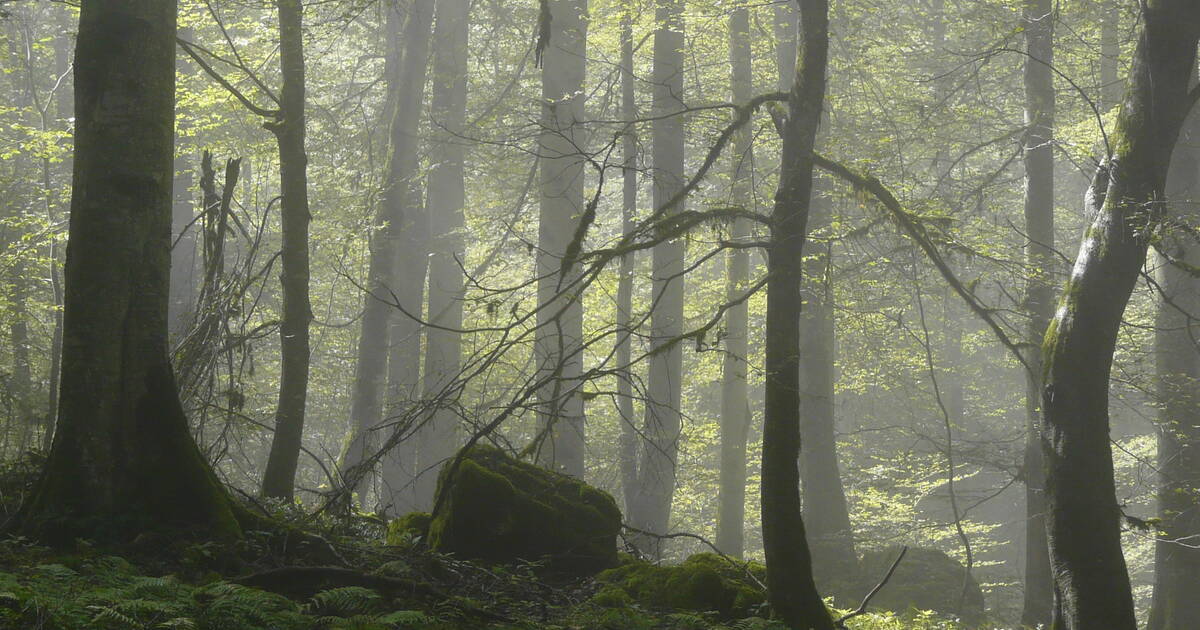
LONDON/TEHRAN, 3 December – Iran’s Hyrcanian Forests, a UNESCO World Heritage site and one of the world’s last surviving relics of temperate broadleaf forests that date back 25–50 million years, are teetering on the brink of irreversible collapse following more than three weeks of devastating wildfires, scientists and conservationists warned today.
Although international firefighting teams succeeded in stabilising the blazes last week, experts say the true crisis is only now beginning. Severe soil erosion, disrupted hydrological systems, destroyed seed banks, and heightened vulnerability to invasive species and future fires have pushed the ecosystem to a critical tipping point.
A coalition of leading scientists, conservation organisations, and local stakeholders under the banner “Save Hyrcanian Now” has launched an urgent global campaign calling on UNESCO to immediately inscribe the Hyrcanian Forests on the List of World Heritage in Danger.
“The firefighting phase is over; the ecological emergency has just started,” said Professor Shabnam Delfani, a prominent Iranian climate-change specialist and founder of Save Hyrcanian Now. “Without the political weight, funding, and coordinated expertise that only a Danger Listing can unlock, large parts of this irreplaceable ancient forest will be lost within the next decade.”
The Hyrcanian Forests, stretching along the southern coast of the Caspian Sea, are home to unique evolutionary lineages and hundreds of endemic plant and animal species found nowhere else on Earth. Recognised in 2019 for their Outstanding Universal Value, the forests now meet multiple criteria for emergency intervention under UNESCO’s Operational Guidelines, campaigners argue.
Post-fire assessments reveal widespread destabilisation of steep mountain soils, collapse of natural moisture regimes, and the destruction of regeneration capacity—conditions that could trigger a cascade of local extinctions and permanent transformation of the landscape.
The degradation also threatens regional stability. The forests play a vital role in regulating water flows for millions of people in northern Iran and neighbouring countries, mitigating landslide risks, and supporting local livelihoods through forestry, agriculture, and eco-tourism.
“If UNESCO fails to act swiftly, the consequences will extend far beyond Iran,” Prof. Delfani told reporters. “We are talking about accelerated carbon releases, worsening water scarcity across the Caspian basin, and the loss of a living museum of Earth’s botanical history.”
The Save Hyrcanian Now advisory panel has outlined an emergency restoration roadmap that includes rapid burn-severity mapping, slope stabilisation works, protection of remaining seed banks, ex-situ conservation of critically endangered species, and multi-year investment in watershed recovery and fire-prevention measures.
An international petition was launched today, accompanied by a detailed scientific dossier submitted to the UNESCO World Heritage Centre, the International Union for Conservation of Nature (IUCN), the UN Environment Programme (UNEP), and key donor governments.
Campaign organisers say a formal Decision to place the site on the In Danger List at the earliest possible session of the World Heritage Committee would trigger technical missions, emergency funding channels, and binding international oversight—tools they describe as essential to any realistic chance of recovery.
The petition had already gathered thousands of signatures from scientists, environmentalists, and concerned citizens worldwide.
The UNESCO World Heritage Centre has acknowledged receipt of the submissions and stated that the matter will be examined urgently in accordance with established procedures. No date has yet been set for a decision.