

Dr.Beruniy Alimov, Tashkent, Uzbekistan
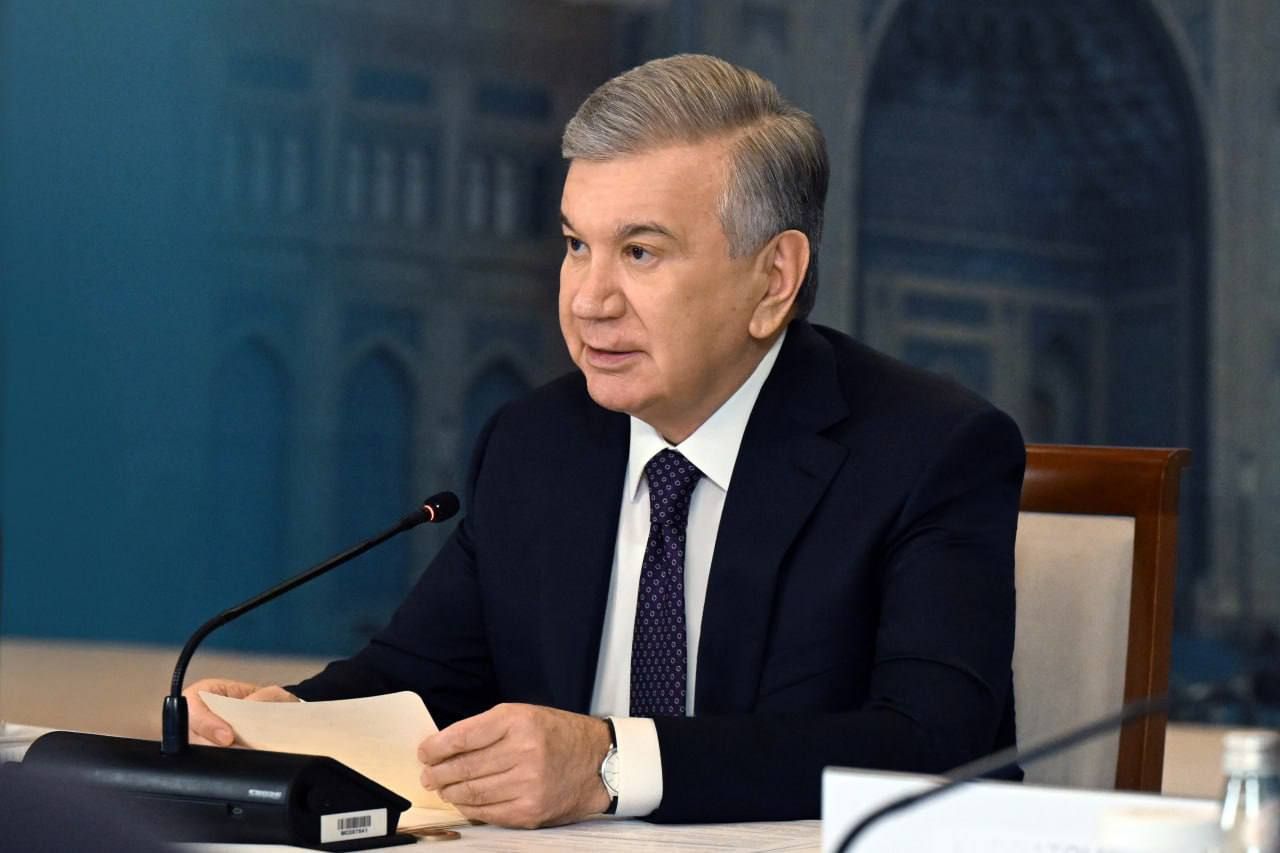

The recent working visit of the President of the Republic of Uzbekistan, Shavkat Mirziyoyev, to Washington, D.C., accompanied by his spouse, marked an important milestone in the evolving strategic partnership between Uzbekistan and the United States. The visit, rich in negotiations and business engagements, demonstrated a clear shift in bilateral relations from general strategic dialogue toward the implementation of concrete economic and investment projects. It also reflected Uzbekistan’s broader foreign policy orientation toward diversified international cooperation and integration into global economic networks.
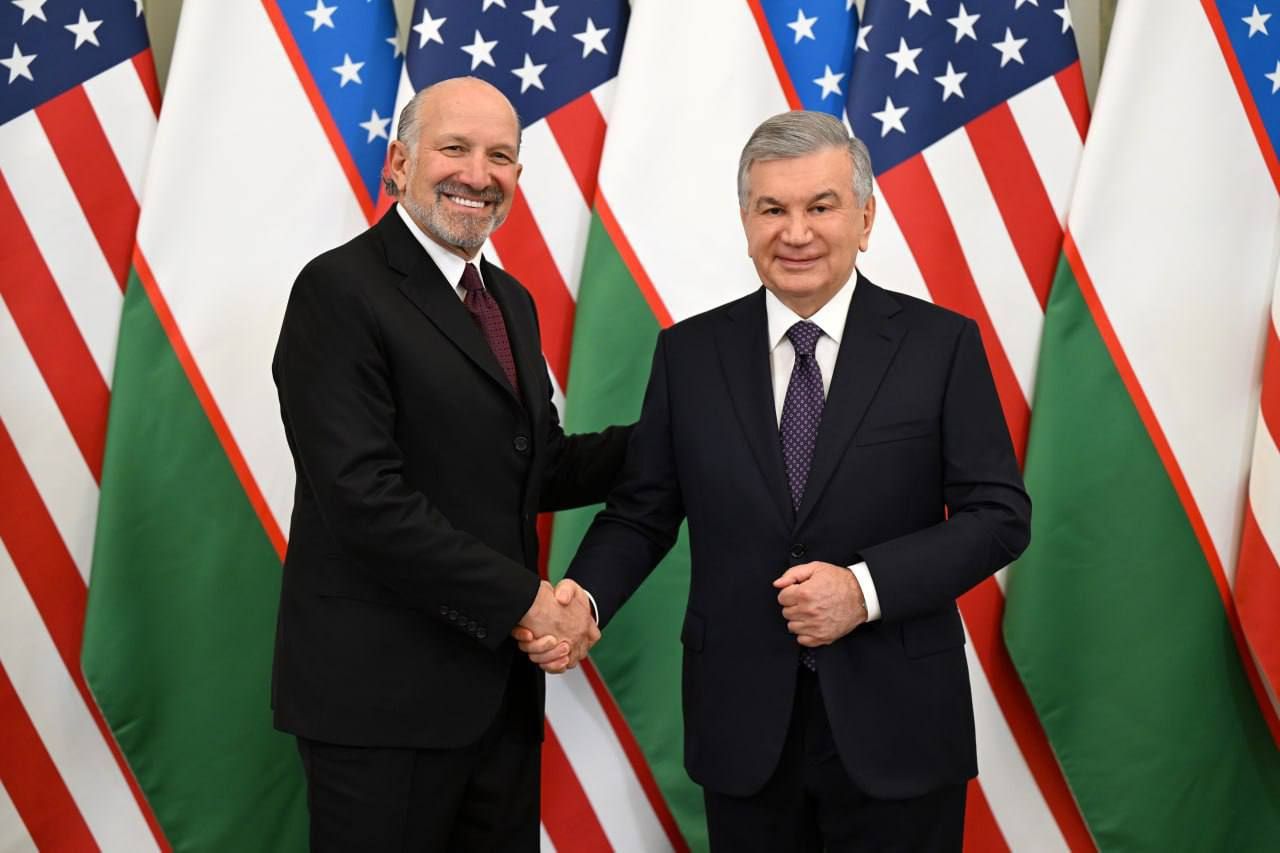
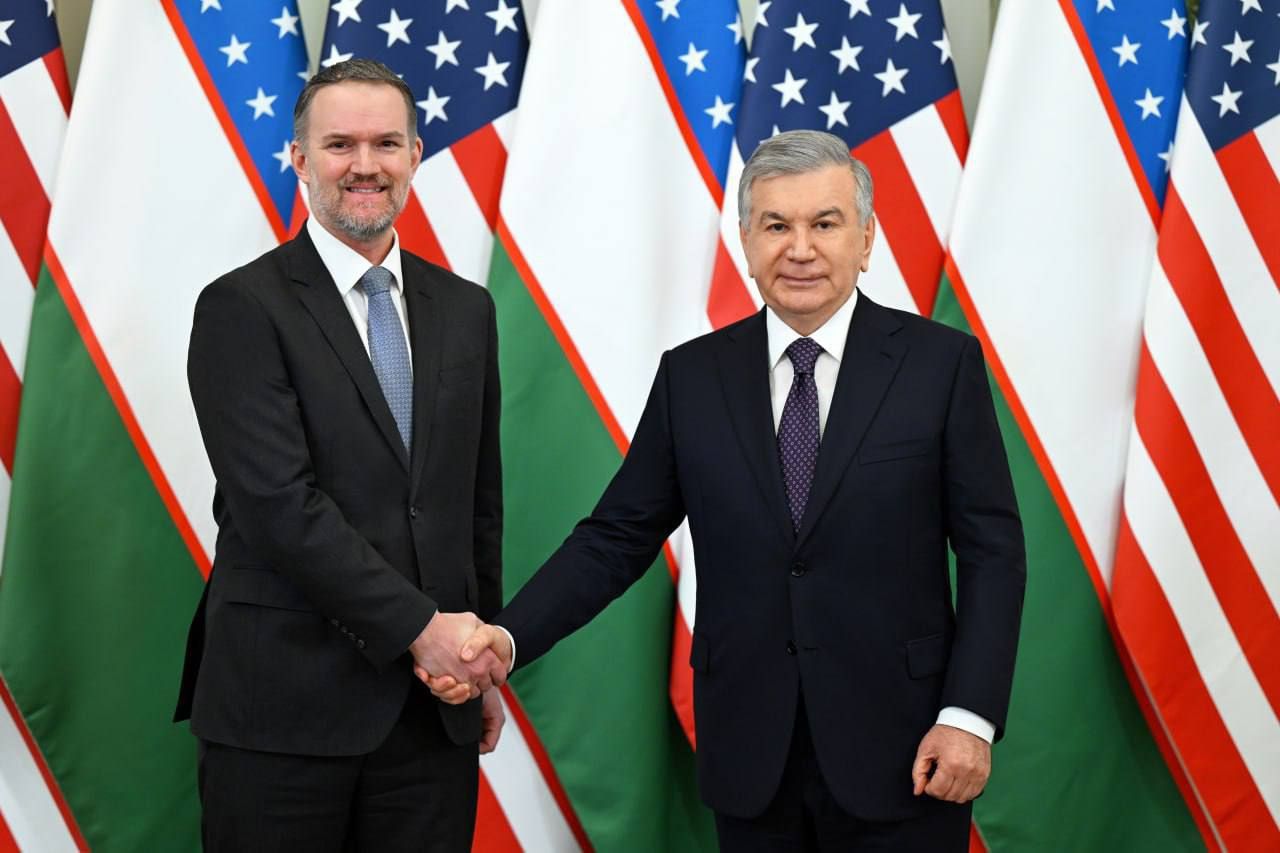
Upon arrival at Joint Base Andrews, President Mirziyoyev was welcomed by senior U.S. and bilateral representatives, including Carolyn Lamm, Chair of the U.S.–Uzbekistan Chamber of Commerce; Major General James Henkins, Commander of the Mississippi National Guard Joint Staff; and other officials. At the presidential residence in Washington, he was received by Paolo Zampolli, Special Envoy to the U.S. President. These ceremonial receptions symbolized the institutional depth of Uzbekistan–U.S. relations, which now extend beyond diplomatic channels into business, regional, and security cooperation frameworks.
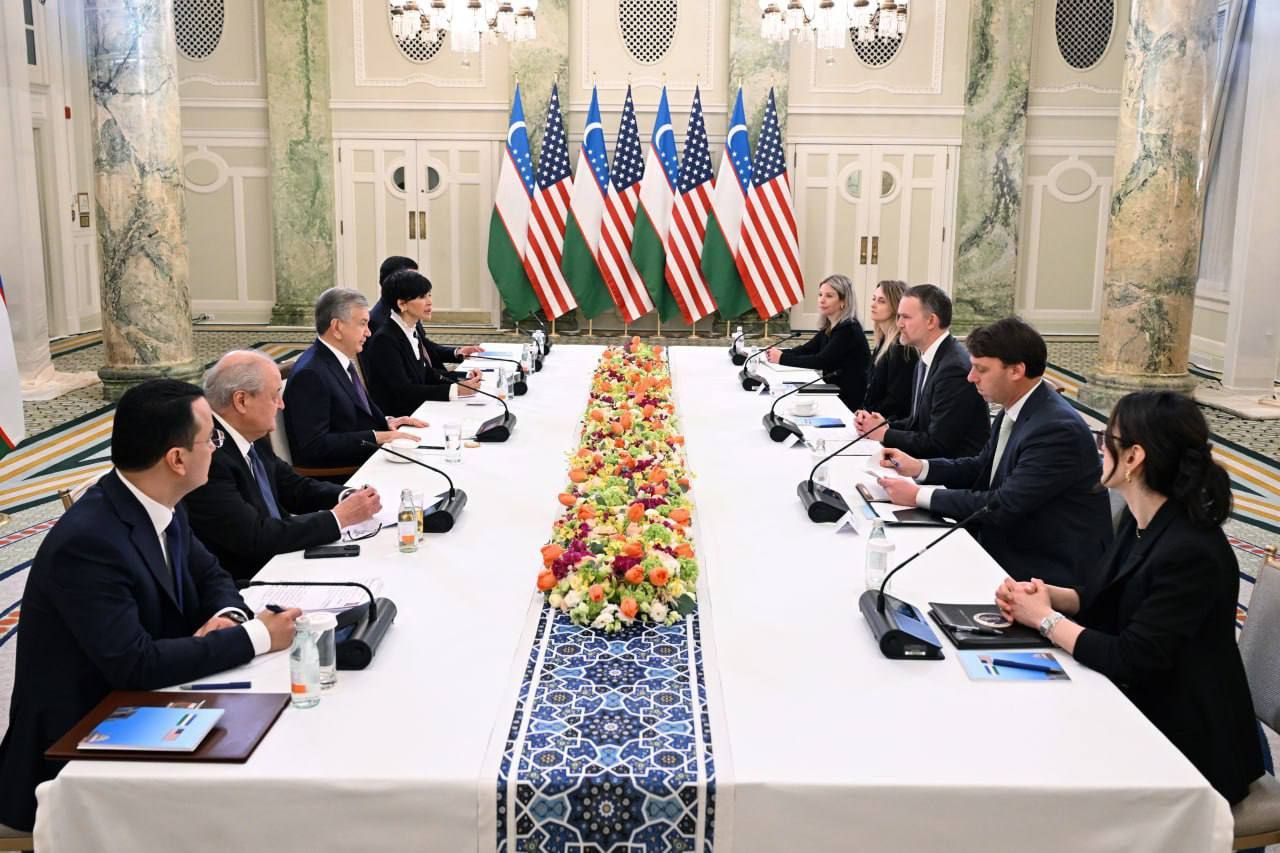
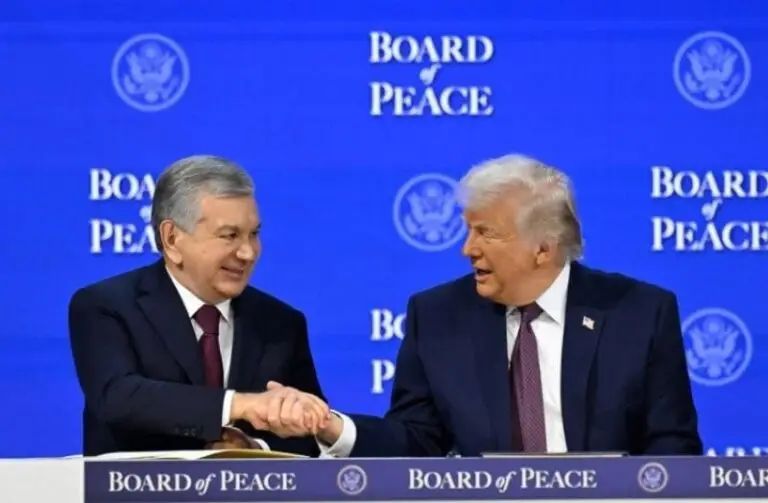
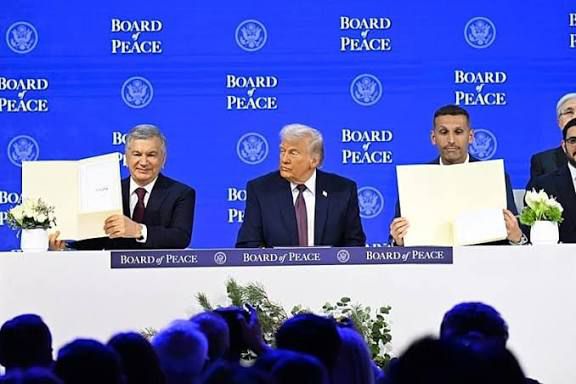
The central element of the visit was participation in the inaugural Peace Council Summit and a series of high-level business events designed to deepen trade, financial, and investment cooperation. The program included meetings with U.S. Secretary of Commerce Howard Lutnick, President and Chairman of the Export–Import Bank of the United States Reta Jo Lewis (note: the Uzbek text references John Yovanovich; official U.S. sources typically list Reta Jo Lewis), and Chief Executive Officer of the U.S. International Development Finance Corporation (DFC) Scott Nathan (Uzbek text: Ben Black). Regardless of individual officeholder changes, these engagements highlighted the key role of U.S. financial institutions in supporting investment and export financing for Uzbekistan’s development priorities.

A notable innovation during the visit was the introduction of a new-format strategic roundtable with U.S. business leaders. Unlike previous dialogues that focused mainly on policy intentions, this platform emphasized the transition from strategic planning to the implementation of specific joint projects. The roundtable brought together representatives of leading U.S. corporations and financial institutions, including Traxys, Valmont Industries, Gulf Oil, Avigen Broiler Breeding Group, John Deere, BlackRock Financial Markets Advisory, and Oppenheimer. Uzbek regional governors also participated via videoconference, underscoring the decentralization of international economic cooperation and the growing role of regional authorities in attracting foreign investment.
In his address, President Mirziyoyev emphasized that the meeting represented both a continuation of previous dialogue and a qualitative elevation of economic partnership based on strategic trust and mutual interest. He noted that in the contemporary global environment, reliable partners, transparent rules, and long-term cooperation have become decisive factors in international economic relations. Uzbekistan, he stated, seeks to build its partnership with the United States precisely on this logic.
The President outlined key directions of Uzbekistan’s socio-economic development in which U.S. cooperation is particularly relevant. He highlighted that the economy constitutes one of the main pillars of bilateral strategic partnership. Priority sectors identified for cooperation included critical minerals, petrochemicals, energy, agriculture, poultry production, and broader agro-industrial development. The increasing role of the U.S. International Development Finance Corporation and the Export–Import Bank as permanent partners in facilitating agreements and financing arrangements was specifically acknowledged.
The visit produced tangible outcomes in the form of signed bilateral documents and project agreements. In the presence of the Uzbek head of state, agreements were concluded on the construction of fuel station networks, the introduction of sprinkler irrigation technologies, the extraction and supply of critical minerals, the establishment of poultry clusters, the development of agro-industrial projects, financial market modernization, and improvements to the investment climate. These agreements demonstrate a pragmatic shift toward sector-specific cooperation aligned with Uzbekistan’s industrial modernization and agricultural transformation agenda.
Another important dimension of the visit was the strengthening of interregional ties. President Mirziyoyev instructed Uzbek regional leaders to organize visits to partner U.S. states, reflecting a broader strategy to expand subnational diplomacy and direct economic links between territories. Such horizontal cooperation can accelerate technology transfer, investment attraction, and localized development initiatives, particularly in agriculture and infrastructure.
From a strategic perspective, the Washington visit illustrates several broader trends in Uzbekistan’s foreign economic policy. First, it confirms the country’s commitment to attracting high-quality foreign investment, especially in value-added sectors such as energy technology, agribusiness, and critical minerals. Second, it demonstrates Uzbekistan’s intention to integrate more deeply into Western financial and industrial ecosystems while maintaining a balanced, multi-vector diplomacy. Third, it shows a move toward institutionalizing public–private partnership formats in international cooperation, as evidenced by the expanded role of business councils and corporate stakeholders in bilateral relations.
For the United States, the visit reinforces Uzbekistan’s status as a key partner in Central Asia, particularly in the context of supply chain diversification, critical mineral sourcing, and regional stability. The participation of major U.S. corporations indicates growing confidence in Uzbekistan’s economic reforms, investment climate improvements, and long-term market potential. Cooperation in agriculture, energy, and minerals also aligns with U.S. strategic interests in sustainable resource development and global supply resilience.
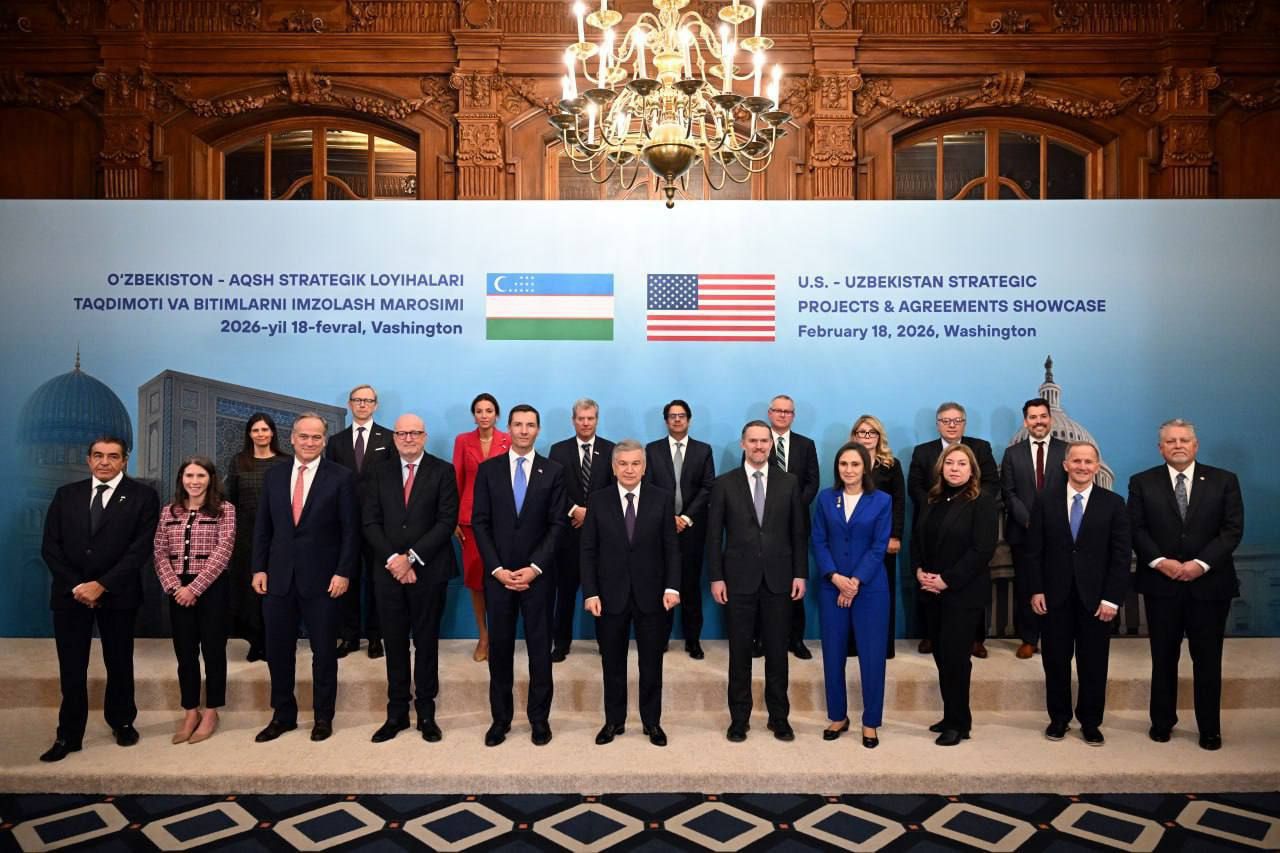
In conclusion, President Shavkat Mirziyoyev’s working visit to Washington marked a substantive step in transforming Uzbekistan–U.S. relations into a project-oriented strategic economic partnership. By moving from dialogue to implementation, from central diplomacy to regional engagement, and from general cooperation to sector-specific investments, the visit laid the groundwork for a new phase of bilateral collaboration. The agreements and institutional mechanisms established during the visit are expected to accelerate trade, investment, and technological cooperation, contributing to Uzbekistan’s modernization goals and strengthening the long-term strategic alignment between the two countries.


