

By Srushti Hode
The Youth Parliament of Pakistan (YPP), founded in 2007, has become a consistent force in preparing the country’s youth for leadership roles in politics, diplomacy, and policymaking. By providing opportunities for direct engagement with lawmakers and international decision-makers, YPP nurtures a generation that can represent Pakistan’s voice on the global stage.
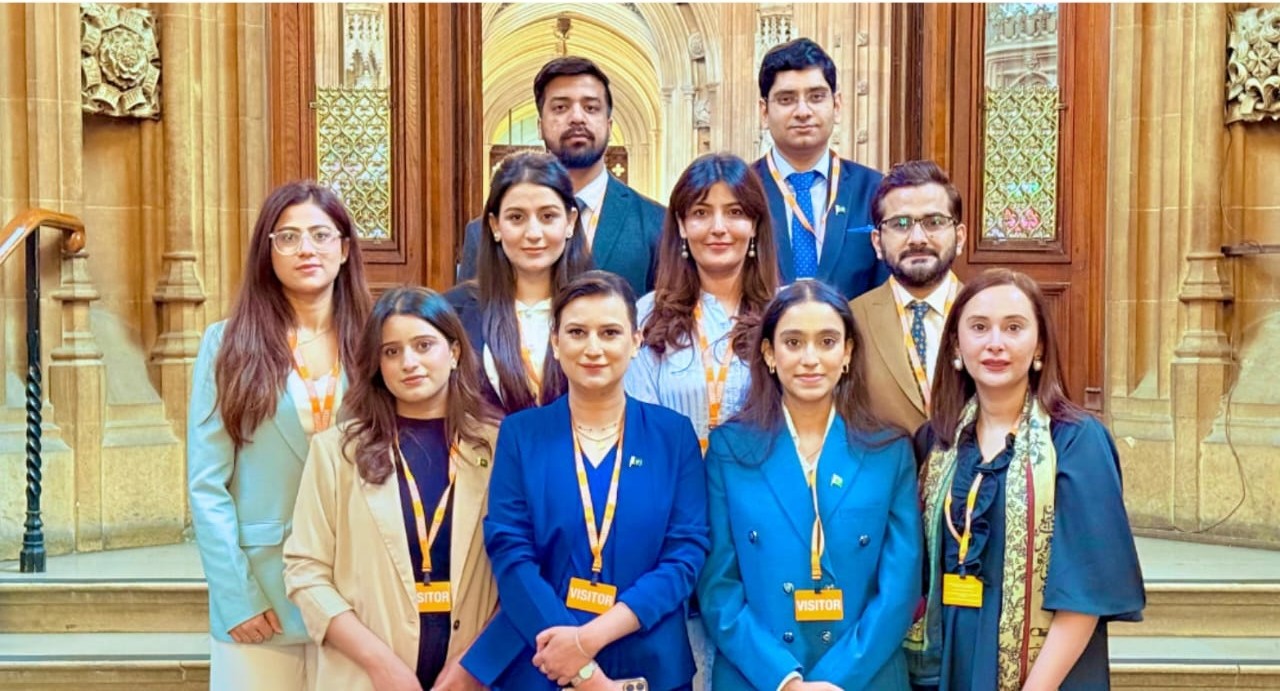
In 2025, the YPP once again sent a delegation of dynamic young leaders to the United Kingdom, continuing its tradition of parliamentary diplomacy. This year’s visit was marked by high-level meetings, meaningful debates, and exchanges that bridged cultural and political divides between the two nations.
One of the standout moments was a debate on the Indus Water Treaty at the House of Lords, which touched upon one of South Asia’s most contentious and strategically important issues. Delegates also witnessed the British Prime Minister’s Question Session, offering them an insider’s look at how parliamentary accountability functions in the UK.
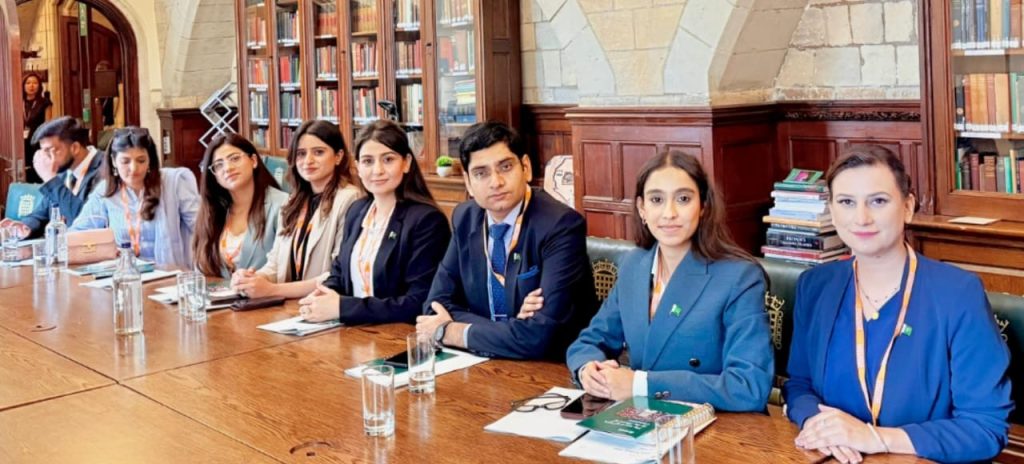
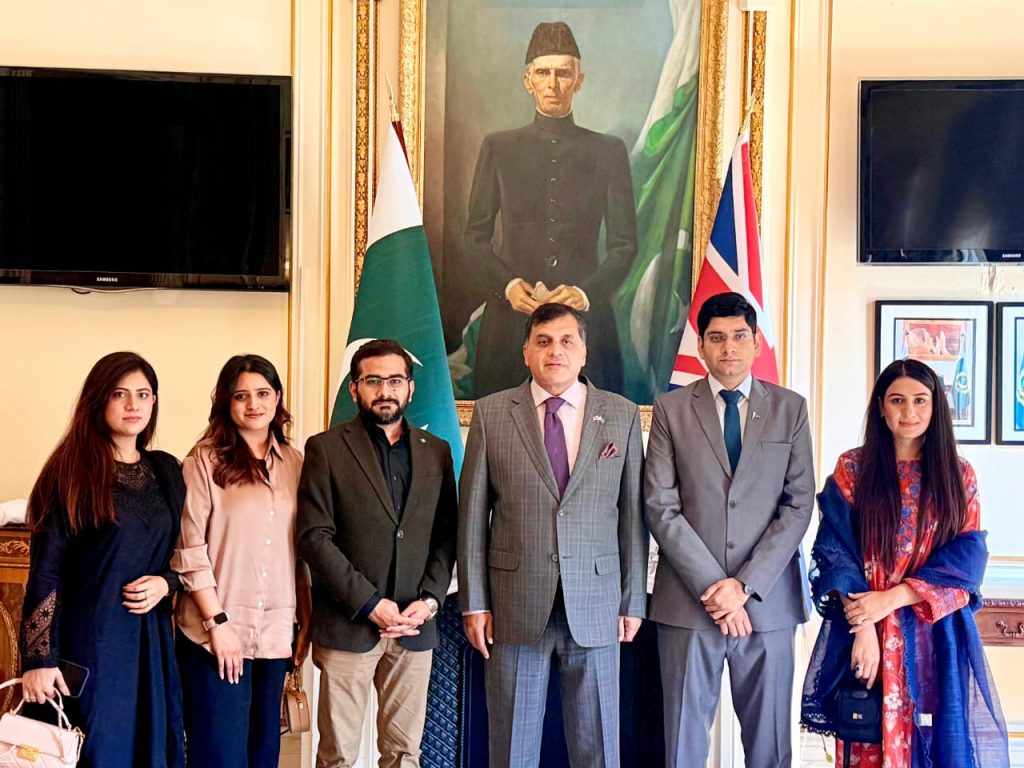
The programme extended beyond Westminster. It included a session with the Commonwealth Parliamentary Association and Foreign Policy experts, as well as a diplomatic discussion with the High Commissioner of Pakistan in London.
In a symbolic yet engaging gesture, the YPP even organised a friendly chess match in the UK Parliament, representing the values of strategic thinking, patience, and respectful competition.
The Impact on Youth Diplomacy
Such initiatives are far more than ceremonial visits; they act as incubators for a new diplomatic mindset. By interacting directly with British policymakers, young Pakistanis not only gain exposure to international governance but also bring Pakistan’s perspectives to foreign decision-makers in a people-to-people format.
In a region where over 60% of the population is under 30, South Asian youth , hold the potential to be powerful agents of change. These forums give them a platform to speak on critical issues: gender equality, inclusive governance, economic cooperation, and regional peace.
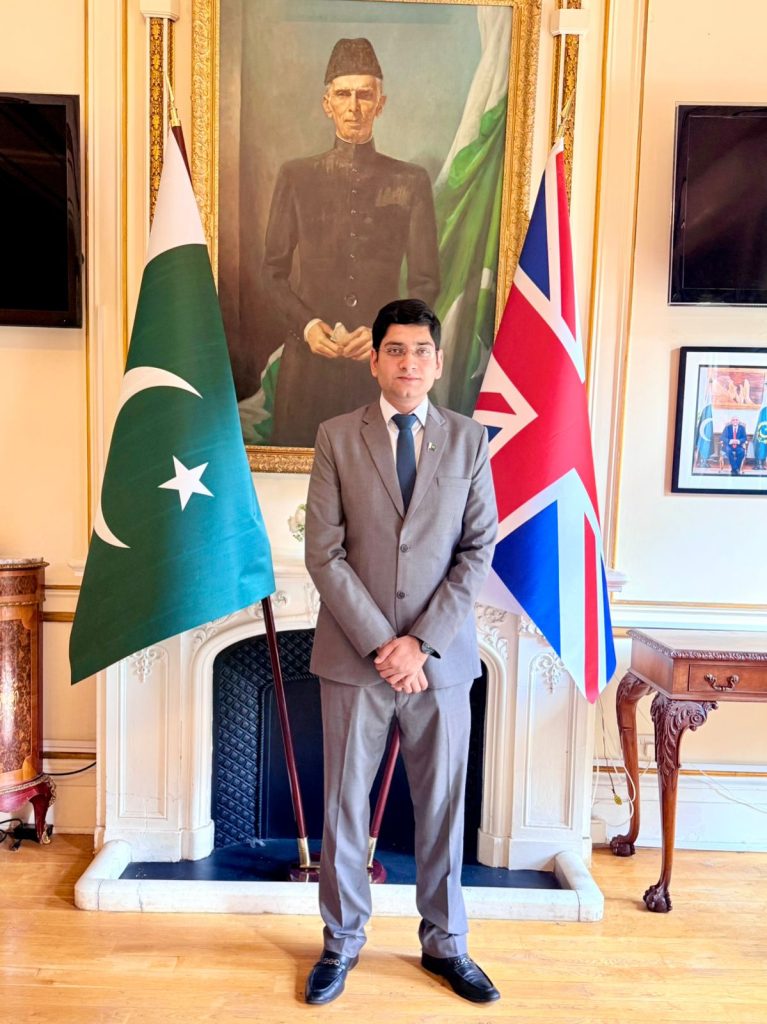
As Ubaid Ur Rehman Qureshi, National President of the Youth Parliament of Pakistan, noted:
“Every year, young professionals from across Pakistan visit the UK for parliamentary, social, and educational engagements. In developing countries where most of the population is under 30, such opportunities are rare due to socio-economic challenges.
South Asian youth, representing over 60% of the region’s population, have the potential to drive innovation, democracy, and social cohesion. Engaging with British policymakers is a strategic platform to amplify their voices globally, especially advocating for young girls, inclusive policies, and youth-led solutions.
During the visit, UK Prime Minister Keir Starmer welcomed the initiative and appreciated the delegation’s efforts in fostering understanding and building bridges between the youth of Pakistan and the UK. He emphasised the importance of people-to-people connections in strengthening bilateral ties and praised YPP for encouraging young leaders to take active roles in diplomacy.
Pakistan’s youth demographic is a critical asset for economic growth and regional stability. Despite limited resources and climate vulnerabilities, South Asian youth continuously contribute to global challenges. Their inclusion in international cooperation and diplomacy is vital.
These engagements aim to enhance bilateral relations, foster mutual understanding, and promote collaborative efforts on global issues through youth leadership.”
The Missing Link — Government Support
While the YPP has sustained itself through commitment and partnerships, the Government of Pakistan has yet to fully recognise and invest in the long-term benefits of such platforms. Parliamentary diplomacy led by youth should be a strategic pillar of Pakistan’s foreign policy, not just a well-meaning civil initiative.
Government support — through funding, institutional collaboration, and diplomatic facilitation — could exponentially increase the reach and impact of YPP. With stronger backing, more young Pakistanis could be included, enabling broader representation from rural areas and underrepresented communities.
Conclusion
From debating to engaging in symbolic chess matches, the Youth Parliament of Pakistan’s 2025 UK visit demonstrated that diplomacy is as much about human connection as it is about political agreements. If given greater state support, initiatives like YPP could become powerful engines of youth-driven diplomacy, shaping not just Pakistan’s image abroad but also its future at home.