

In today’s world, where global trade routes are shifting and geoeconomic competition is intensifying, the emergence of new regional alliances has become crucial. On July 17, a groundbreaking agreement was signed in Kabul between Uzbekistan, Afghanistan, and Pakistan to prepare the feasibility study for the Trans-Afghan Railway Corridor. This is more than just a transport project—it marks the beginning of a new regional partnership based on shared interests and mutual vision.
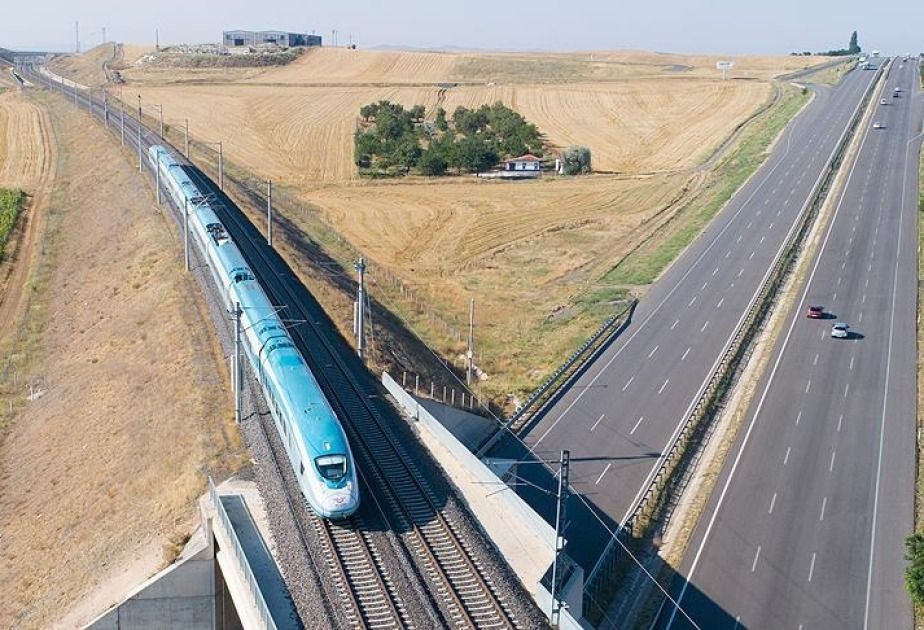
This corridor is a revival of historical Silk Road links, offering practical benefits. The delivery time for cargo from Uzbekistan to Pakistan will be reduced from 35 to 5 days, and transport costs per container will drop from $900 to $286. The scale of the project is impressive: 264 bridges, 7 tunnels, and 641 culverts will be built, opening up vast underdeveloped areas and creating jobs for local populations.
Amid the blockade of the Red Sea and the reconfiguration of global trade routes, the Trans-Afghan corridor stands out as a reliable overland alternative. It brings together the strategic interests of key players such as Russia, China, the Gulf States, and India, boosting the corridor’s geoeconomic weight and long-term relevance.
What makes this project unique is its foundation in political will and institutional maturity. Since 2011, Uzbekistan has operated the Termiz–Mazar-i-Sharif railway, showing consistent commitment to regional infrastructure. In 2019, when Pakistan politically supported the Mazar-i-Sharif–Kabul–Peshawar line, the initiative moved into an irreversible stage of strategic implementation.
This railway is not just about freight. It enables electricity export through the CASA-1000 project, access to Gwadar and Karachi ports, and connection to the Gulf energy system. Thus, the corridor becomes a hub for multiple economic interests, offering sustainable growth and integration across regions.
Under the leadership of President Shavkat Mirziyoyev, Uzbekistan has moved beyond being a transit state and is now becoming a regional architect. This approach aligns with the country’s “Uzbekistan–2030” Strategy, which calls for strengthened ties with South Asia, the Middle East, and Africa, and the development of new logistics corridors.
The Kabul agreement is more than an infrastructure document—it reflects a strategic political choice. Today, states are not competing for trade routes; they are joining forces to create them. In this new chapter of regional cooperation, Uzbekistan, Afghanistan, and Pakistan are showing that with vision and trust, connectivity can become a tool for peace and prosperity. The Uzbekistan–Afghanistan–Pakistan corridor is more than just a railway—it is a bridge to a shared and stable future. Let us build it together.
Author: Asal Kasymova, PhD in Law, Associate Professor of the Department of International and Public Law, Tashkent State Transport University