


By Dr Majid Khan (Melbourne):
In 2026, the Australian housing market has moved beyond a typical cyclical squeeze into what economists are now calling a permanent structural deficit. The dream of homeownership, once the bedrock of the Australian identity, is being dismantled by a massive shortfall of nearly half a million homes. As Sydney and Melbourne grapple with record-high prices and critically low vacancy rates, the crisis is no longer just a local concern but a global case study in the consequences of supply-demand decoupling.
The scale of the crisis is best understood through the lens of the National Housing Accord, a landmark federal initiative that set an ambitious target of 1.2 million new homes by 2029. As of early 2026, data reveals that the nation is on track to undershoot this goal by a staggering 462,000 dwellings. For a global audience, this represents a housing “gap” larger than the entire residential stock of many mid-sized European cities. The failure to meet these targets is not due to a lack of intent but a perfect storm of labor shortages, regulatory bottlenecks, and shifting demographics that have rendered traditional building models obsolete.
The social and economic ramifications of this shortfall are profound. We are witnessing the birth of a “generation of renters” who may never enter the property market without the assistance of intergenerational wealth. This divide is creating a two-tiered society where property ownership is a hereditary privilege rather than a meritocratic achievement. By dissecting the ten key sequences of this crisis, we can understand why the Australian housing system is under such unprecedented strain and what the future holds for those caught in the middle.
Launched with great fanfare, the National Housing Accord was intended to be the ultimate solution to Australia’s supply woes. The agreement between federal, state, and local governments aimed to coordinate land release, streamline approvals, and incentivize the construction sector to deliver 1.2 million well-located homes. However, by mid-2026, the gulf between the Accord’s aspirational targets and the reality of completed dwellings has widened. While the government has committed billions in performance-based bonuses to the states, the actual delivery of keys to front doors has been hampered by systemic inefficiencies that a single policy document could not resolve.
Furthermore, the Housing Australia Future Fund, a central pillar of the Accord designed to deliver social and affordable housing, has seen a slow start. Despite thousands of homes being “approved” for funding, the physical completion rate remains in the low hundreds. Developers point to the fact that government subsidies often fail to cover the gap created by surging construction costs and high land taxes. The Accord serves as a reminder that without addressing the underlying cost of building, even the most ambitious government targets will remain beyond reach.
A major, often overlooked driver of the housing shortfall is the changing way Australians are choosing to live. The average household size has been trending downward for years, now sitting at a historic low of under 2.5 people per home. This shift is driven by a combination of an aging population with many “empty nesters” choosing to age in place in large family homes and a rise in lone-person households among younger professionals. When household size shrinks, you need more individual dwellings to house the same number of people, effectively “multiplying” the demand for new homes.
Furthermore, the post-pandemic persistence of remote work has altered where people want to live, but not necessarily how much space they need. The “home office” is now a standard requirement, meaning that even single occupants are seeking out properties with extra rooms. This “space race” has further tightened the market, as the domestic demand for square footage remains high even as the number of people per dwelling falls. Addressing the shortfall requires a more nuanced understanding of these lifestyle shifts, moving beyond raw numbers to focus on the specific needs of a modern, fragmented society.
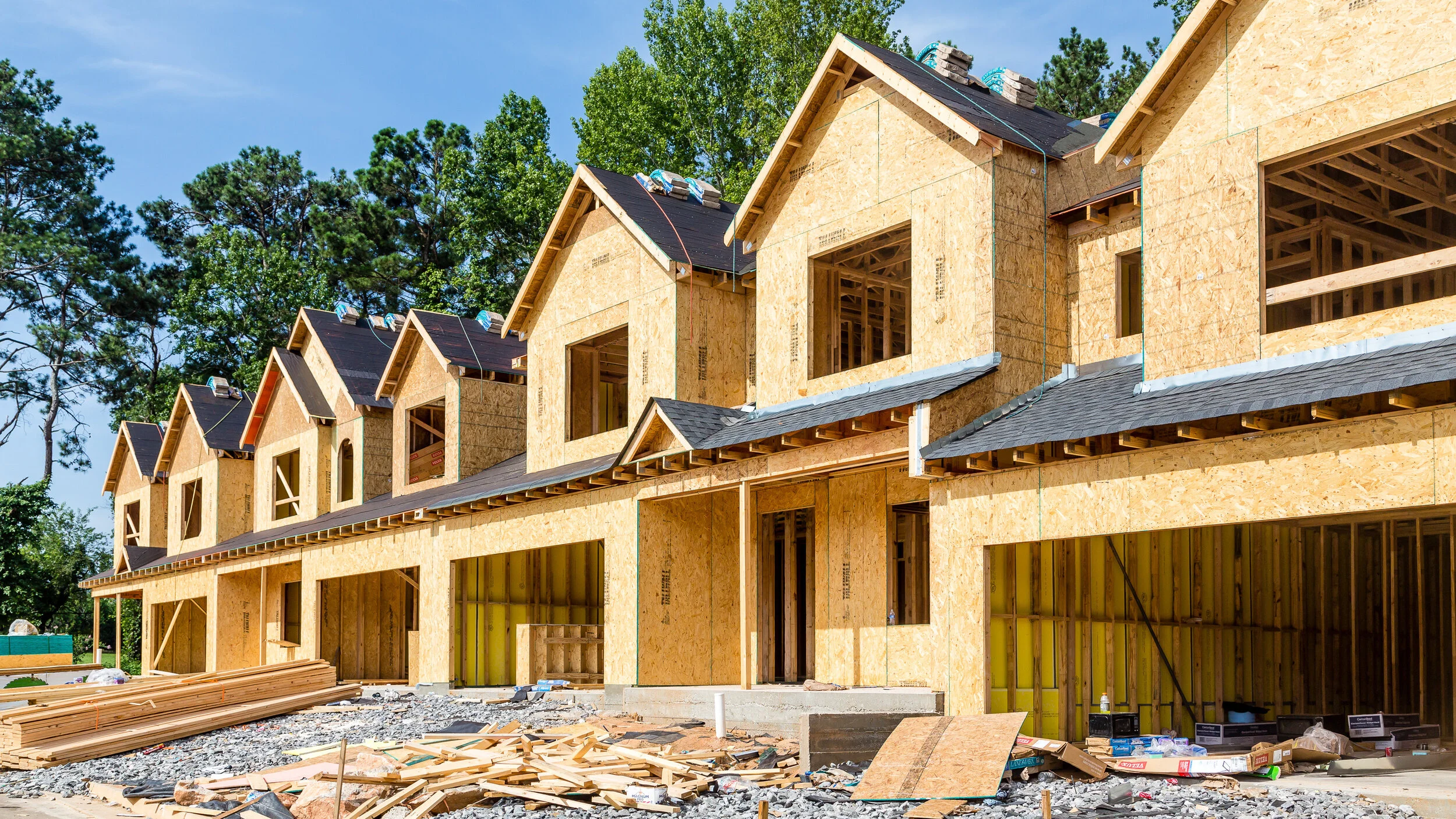
The physical act of building a home in Australia has become prohibitively expensive and slow. Since 2021, construction costs have reset at a new, higher baseline, roughly 33 percent higher than pre-pandemic levels. While supply chain disruptions have largely stabilized by 2026, the price of essential materials like steel, timber, and concrete remains elevated. For many developers, the “numbers simply don’t stack up” anymore, leading to a wave of insolvencies and the cancellation of major apartment projects in Sydney and Melbourne where profit margins have dipped below 5 percent.
Compounding the cost issue is a chronic shortage of skilled labor. The construction industry is competing for a dwindling pool of electricians, plumbers, and carpenters, many of whom are being drawn away to massive, government-funded infrastructure projects like Victoria’s “Big Build.” This competition for talent has driven labor costs to historic highs, adding further pressure to residential project budgets. Without a significant influx of skilled migrant workers specifically targeted at the residential sector, the pace of construction is unlikely to accelerate enough to meet the 1.2 million home target.
Australia’s planning systems are often cited by the industry as the single greatest impediment to housing supply. In 2026, the average time to secure a development approval for a medium-density project in Sydney remains over twelve months, with some councils meeting approval timeframes less than 25 percent of the time. The complexity of the legislative environment, combined with constant legal challenges from community groups, has created a “paralysis by analysis” that prevents developers from responding quickly to market signals. This regulatory friction adds significant holding costs to projects, which are ultimately passed on to the end buyer or renter.
To overcome the shortfall, Australia requires a radical rethinking of land use. This includes “up-zoning” areas around train stations and shopping precincts as a matter of right, rather than through a protracted negotiation process for every individual site. Some progress is being made with “fast-track” approval pathways for projects that include a significant portion of affordable housing, but these remain the exception rather than the rule. Until the invisible barriers of the planning system are dismantled, the construction industry will continue to fight an uphill battle against the very regulations meant to facilitate orderly growth.
In an attempt to mitigate the political fallout of the housing crisis, the Australian government has pulled several policy levers with varying degrees of success. The expansion of the 5 percent deposit scheme where the government guarantees the remaining portion of a deposit has successfully helped thousands of first-home buyers enter the market. However, economists warn that such “demand-side” incentives can be a double-edged sword; by increasing the number of people who can afford to bid, they often inadvertently drive prices even higher, swamping the very affordability gains they were intended to provide.
Another significant move in 2026 has been the two-year ban on foreign buyers purchasing established dwellings. This policy aims to reduce competition for existing homes and prevent “land banking” where vacant properties sit unused as speculative investments. While popular with the public, many analysts believe the ban is more symbolic than substantive, as foreign buyers represent only a small fraction of the total market. The real pressure comes from domestic investors and the sheer lack of new supply, issues that a foreign buyer ban does little to resolve.
The government is also experimenting with “shared equity” schemes like Help to Buy, where the state takes a stake in the property to reduce the buyer’s mortgage. These programs are designed to assist lower-income earners, but their reach remains limited compared to the scale of the shortfall. As the 2026 election approaches, the pressure is mounting for more radical reforms, including changes to the tax treatment of investment properties and a more aggressive federal intervention in state planning laws. The challenge for any government is to help buyers without simultaneously inflating the bubble.
In conclusion, the housing shortfall is a complex, multi-faceted disaster that requires more than just “more houses” to solve. It demands a holistic rethink of how we plan our cities, how we tax wealth, and how we support the most vulnerable in our society. As the nation works toward its mid-2029 targets, the next few years will be a test of Australia’s political will and social resilience. For the families living in the shadow of this crisis, the hope is that 2026 will be remembered as the year the tide finally began to turn, rather than the year the Australian dream finally slipped out of reach.