

By Dr Majid Khan (Melbourne)
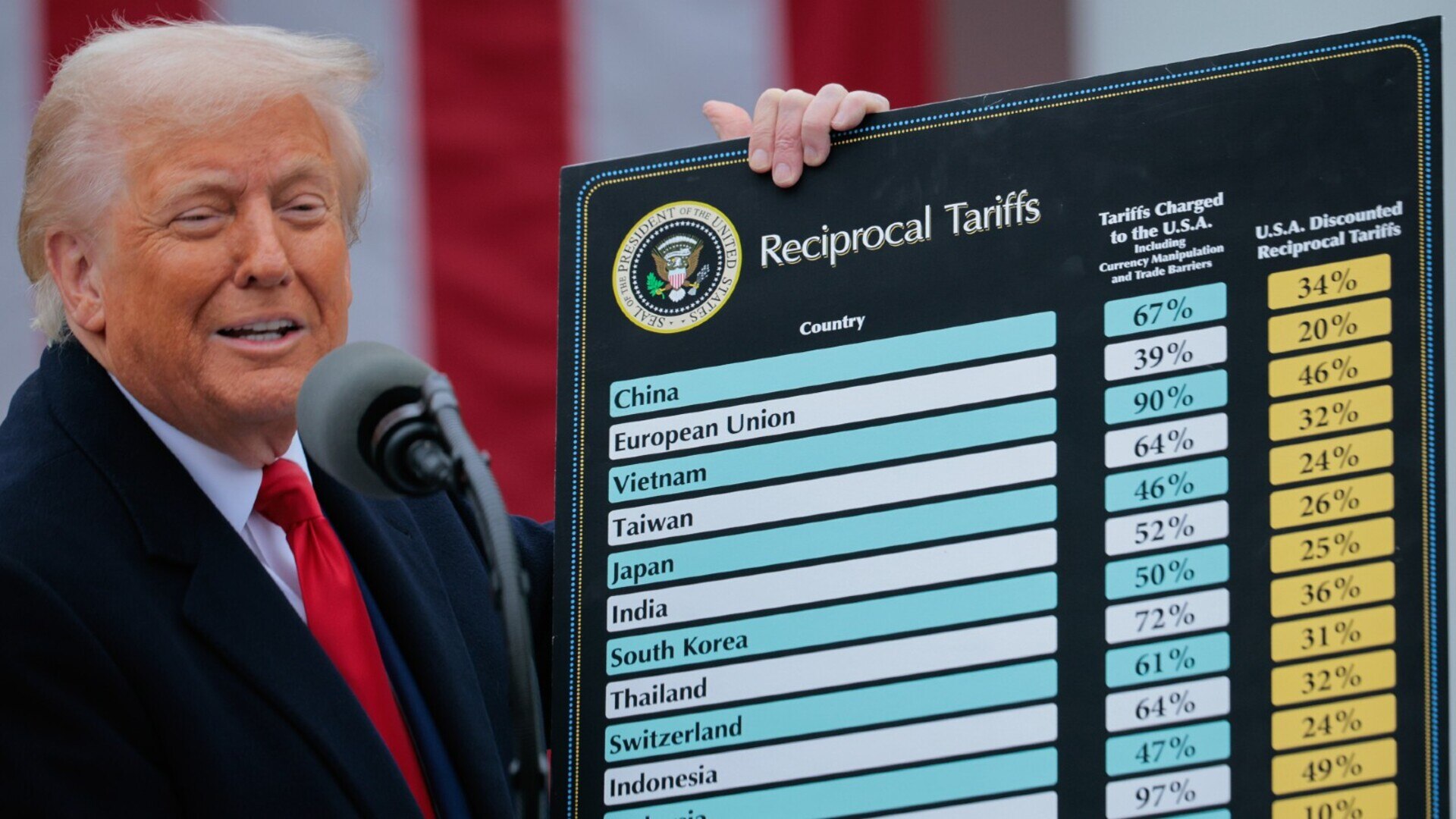
The latest tariff measures from the United States have put Australia in a unique and challenging position. On July 31, President Trump issued an executive order altering the reciprocal tariffs for several trading partners, but Australia was not included in the updated list. This means that Australian goods continue to be subject to the baseline 10% tariff introduced in April. According to Australia’s Department of Foreign Affairs and Trade (DFAT), most Australian-origin goods entering the U.S. are still subject to this 10% tariff, although there are exceptions and higher rates for specific sectors. While Australia benefits from the lowest available reciprocal tariff rate compared to the European Union’s 15% and Japan’s 15%, this represents a significant shift from the pre-2025 era, when U.S. tariffs were much lower on average.
In addition to the baseline 10%, the Section 232 tariffs on metals, imposed during the Biden administration, were further increased in June by President Trump. This move doubled the duties on steel and aluminum to 50% for countries that do not have specific exemptions. As a result, Australian steel and aluminum exports are now affected by these increased tariffs, with the changes taking effect on June 4, 2025.
Furthermore, starting on August 1, the U.S. introduced a 50% tariff on semi-finished and copper-intensive products. These sector-specific tariffs do not compound with the 10% reciprocal tariff; instead, the higher sectoral tariff applies where relevant.
For Australian metal producers, this represents a significant challenge, as companies with established U.S. customers now face rising costs at the border, the possibility of renegotiating contracts, and the risk that U.S. buyers may look to source from alternative markets.
The broader lesson for Australian companies is to examine their Harmonized System (HS) codes across both the reciprocal tariff and sector-specific tariffs. This will enable businesses to adjust pricing, hedge risks, or restructure their operations accordingly.
The intersection of trade policy and biosecurity decisions also has a significant impact, particularly in agriculture. In July, Australia relaxed biosecurity restrictions that had been in place since the early 2000s following the BSE outbreak, allowing U.S. beef to enter the Australian market once again. The decision followed a technical review that found the U.S. had improved its safety measures.
While the Australian government insists that this move was based on science, rather than political negotiations, it nevertheless removed a significant point of contention in bilateral talks. This easing of restrictions helps rebalance market perceptions, particularly in the U.S., where these biosecurity concerns were used to justify certain punitive tariffs. Despite mixed tariff outcomes in agriculture—some products benefit from the 10% tariff compared to higher-tariff competitors, while others face quotas or sanitary restrictions—the biosecurity change reduces the risk that agricultural issues will escalate into broader tariff negotiations.
Australia has deliberately distanced itself from Beijing’s suggestion to join forces against U.S. tariffs, with Deputy Prime Minister Richard Marles publicly rejecting the offer in April. He framed Australia’s approach as one of diversification and independent advocacy, rather than aligning with China. This strategic stance allows Australia to maintain a position of direct negotiation with the U.S. while avoiding entanglement in broader geopolitical coalitions.
From a macroeconomic perspective, early modelling has indicated that the U.S. tariff hikes could result in a significant reduction in national income. One estimate suggests a loss of approximately AU$27 billion, roughly 1% of GDP, under conservative assumptions. Larger losses are possible if the U.S.-China trade tensions escalate further. While different models provide varying figures, they all suggest that the increase in U.S. tariffs acts as a tax on Australian competitiveness in its third-largest export market, with ripple effects on investment, inventory management, and pricing strategies. Specifically, metals and advanced manufacturing sectors are likely to face the most immediate strain, while pharmaceuticals and copper-intensive products are also at risk if the U.S. implements additional surcharges.
Looking ahead, the key question revolves around the future of the baseline tariff. Public statements made in July have suggested the possibility of increasing the reciprocal tariff rate to 15–20%, but as of mid-August, no official order has been issued to raise Australia’s 10% tariff rate. If the tariff floor were raised without an individual arrangement for Australia, the country would lose its relative advantage over other trading partners like the EU and Japan, which are already locked in at 15%. However, if Australia manages to secure a deal similar to the EU’s, it could stabilize the situation and protect against future tariff increases.
To navigate this complex and evolving tariff landscape, Australian businesses and the broader economy can adopt several practical strategies.
Firstly, companies should consider “tariff engineering”—reviewing product design, component sourcing, and HS classifications to ensure they comply with the most accurate tariff codes. This is especially important for businesses that deal with metals and copper-intensive goods, as reworking the product to reduce tariff-bearing content could significantly reduce costs without compromising quality.
Secondly, Australian firms should explore U.S.-based assembly, finishing, or last-stage manufacturing, either independently or through joint ventures. By transforming products in the U.S., businesses can change the country of origin and potentially avoid higher tariffs.
Third, companies should take advantage of duty-drawback programs, first-sale valuation, and foreign-trade zones in the U.S., which can defer or reduce tariffs on goods that are re-exported or processed further. Additionally, businesses should ensure they include tariff-adjustment clauses in contracts with U.S. customers, hedge against foreign exchange risks, and model sensitivity to changes in landed costs to avoid surprises.
Fourth, Australian businesses should diversify their export mix toward sectors where the 10% baseline tariff provides a competitive advantage over 15%-tariff countries. These could include niche industrial goods, premium food and beverages, and value-added services like software maintenance, where tariffs have less impact.
Fifth, Australia must also look to diversify its export markets beyond the U.S., tapping into ASEAN, India, and the Middle East, so as not to over-rely on one region.
Sixth, Australian companies in the metals and advanced manufacturing sectors should focus on productivity upgrades at home to recapture margins lost due to U.S. tariffs. This includes investing in automation, energy efficiency, and other innovations that reduce costs.
Seventh, businesses should engage in industry-level advocacy for targeted exclusions and carve-outs, as technical corrections and clarifications to U.S. tariffs can still occur, particularly when supported by clear evidence of supply chain needs or critical infrastructure.
The Australian government can support these strategies by intensifying bilateral engagement with the U.S. to preserve the 10% baseline and seek relief on Section 232 metals tariffs where possible, particularly for materials essential to U.S. energy, infrastructure, and defense sectors.
Additionally, the government can improve trade facilitation services for smaller exporters, helping them navigate the complexities of tariff compliance. Domestic policies, such as accelerated depreciation for automation and export finance guarantees, can further accelerate adaptation to the changing trade environment.
Australia is currently navigating a precarious path: the 10% tariff remains the best broadly available rate, but rising metal and copper duties are a significant concern. The policy landscape remains uncertain, with potential changes on the horizon. However, by adapting at both the business and policy levels, Australia can limit the economic impact of these tariffs, take advantage of existing opportunities, and remain resilient in the face of shifting global trade dynamics.