

 Greg Brummel (Budapest,Hungary)
In the heart of Paris, where the air in Montmartre hangs rich with the scent of wine and baking bread, a different, captivating aroma now weaves through the autumn breeze: the deep, savory notes of soy-marinated chicken, the nutty perfume of toasted sesame oil, and the delicate tang of fermented kimchi. This is the taste of Andong, Korea, served as a delicious act of diplomacy at the Fête des Vendanges de Montmartre.
For five years, the Korean Foundation for Cultural Exchange (KFCE) and the City of Andong have been cultivating a presence at this iconic harvest festival, moving from observation to full-flavored participation. They have transformed a corner of the 18th arrondissement into a portal to Korea’s spiritual heartland, not with pamphlets, but with plates. Their mission: to introduce Europe to jonggajip cuisine—the refined, soulful dishes of Korea’s noble households—proving that the most profound conversations can begin with a single bite.

A Banquet of Shared Histories
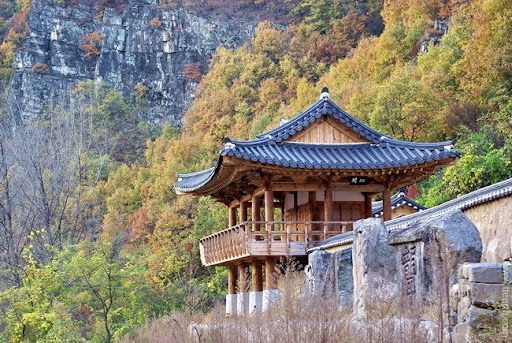
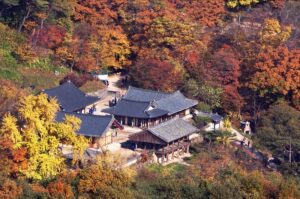
The festival, born from the legacy of Paris’s last vineyard, is a tapestry of global flavours. Here, amidst Burgundian wines and Provençal olives, the culinary ambassadors of Andong have found a fitting stage. Andong itself is a living pantry of Korean heritage, a place where ancient Confucian traditions are preserved in family recipes passed down through generations, like the revered 500-year-old culinary text, Suwun Japbang.
At the festival’s “Parcours du Goût” (Taste Trail), visitors don’t just eat; they embark a sensory journey. They witness the art of the traditional Korean table setting, learn how food is a moral philosophy that harmonizes body and community, and taste history itself.
The Language of Flavour
The dialogue has been deliberate and delicious. The journey began with meticulous research, understanding the European palate and festival rhythm. Then came the feast for the senses:
-
The rich, comforting depths of Andong Jjimdak—a slow-cooked chicken dish where every fiber soaks up a symphony of soy, ginger, and star anise—was paired not in isolation, but in conversation with a robust Parisian red.
-
The clear, potent kick of Andong Soju was presented not just as a spirit, but as a distilled essence of heritage.
-
In a more recent offering, the elegant and symbolic dishes of Jesa Cuisine—the food for ancestral rites—translated reverence and seasonal harmony into a language of taste, allowing Parisians to understand that in Korea, a recipe can be a prayer.
The impact is palpable. Parisian chefs are now seeking apprenticeships in Andong to master fermentation, while French food publications celebrate the city as a new frontier for sustainable gastronomic tourism.

The Future is a Shared Table
This culinary diplomacy has set a vibrant table for future collaboration. Discussions are simmering about reciprocal exchanges—imagine Korean masters of fermentation sharing techniques at a Provençal market, or French vintners exploring pairings with ancient Korean recipes.
The partnership between Andong and Montmartre offers a powerful recipe for the future: that the most enduring diplomacy doesn’t happen in boardrooms, but over shared meals. It’s a recognition that heritage, when served on a plate, becomes an immediate, universal, and deeply human connection. In the end, they are building a bridge not of stone, but of flavour—and it’s a bridge everyone is hungry to cross.