

LONDON – The Eurasia Policy Council (EPC), an independent think tank dedicated to geopolitics, economics, and environmental security in Central Asia and the broader Eurasian region, conducted a series of productive bilateral meetings in London over the past two days with the ambassadors of Uzbekistan, the Islamic Republic of Iran, and the Kyrgyz Republic.
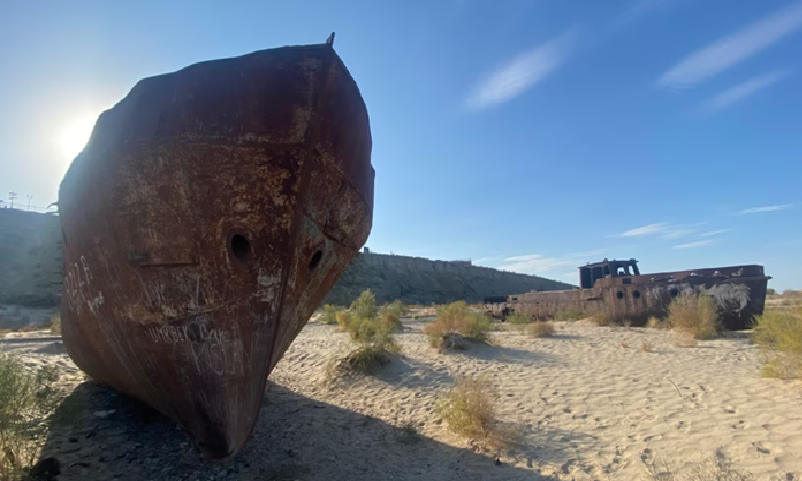
The discussions focused on the intensifying effects of climate change in Central Asia and neighboring areas, emphasizing the urgent need for international collaboration to confront shared environmental threats. Participants highlighted non-traditional security risks—including water scarcity, air pollution, and ecosystem degradation—that threaten regional stability, livelihoods, and public health.
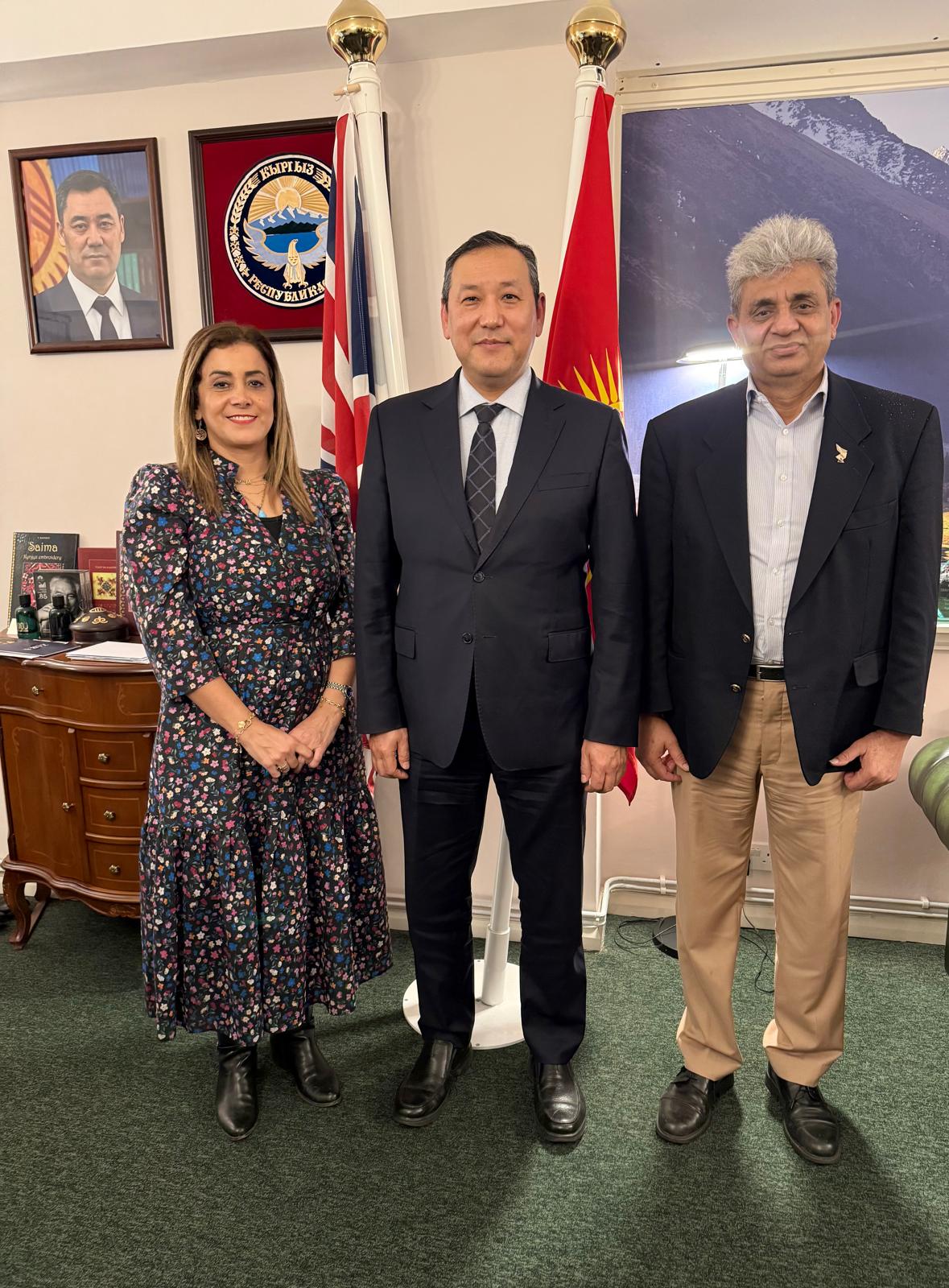
Kyrgyz Republic Ambassador,H.E.Ulan Djusupov, underscored the fragility of the region’s mountainous ecosystems, which face rising temperatures, accelerated glacial melt, and shifting precipitation patterns. He noted that these changes jeopardize water security for Kyrgyzstan and downstream Central Asian nations dependent on mountain-fed rivers, advocating for joint initiatives in sustainable mountain management and climate adaptation.

Iranian Ambassador,H.E.Seyed Ali Mousavi, spotlighted the country’s acute water shortages and deteriorating air quality, describing environmental degradation as a multifaceted crisis with deep social, economic, and health repercussions. He called for strengthened regional partnerships and global support to tackle these interconnected challenges.
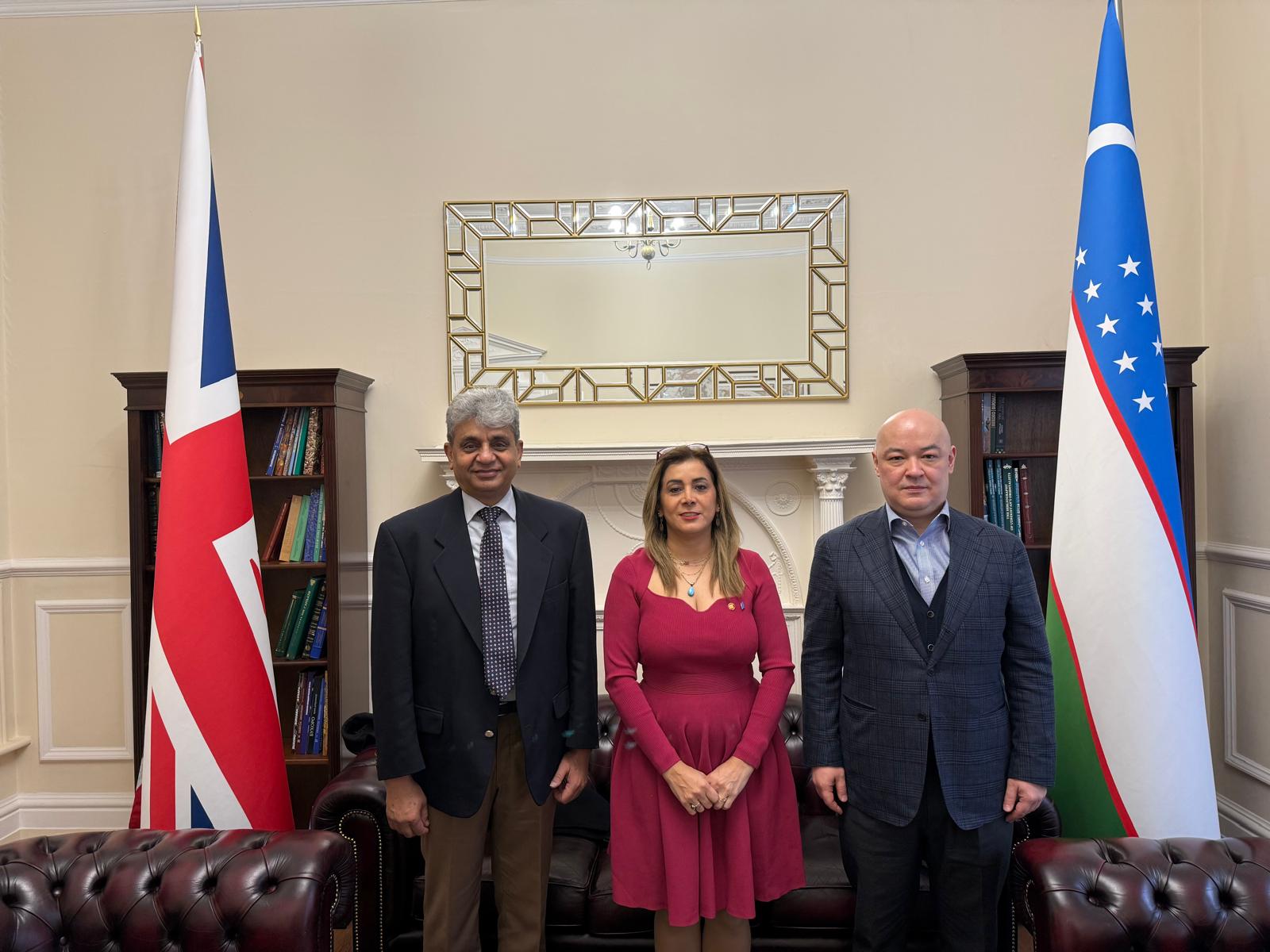
Uzbek Ambassador, H.E. Ravshan Usmanov, drew attention to Uzbekistan’s severe air pollution, exacerbated by climate change, urbanization, and past environmental mismanagement. He highlighted its direct impacts on public health and sustainable development, urging collaborative measures to enhance air quality and implement green policies.
Co-Founder Raza Syed briefed the ambassadors on the EPC’s future plans, including the launch of a dedicated e-magazine. The ambassadors welcomed the initiative, stating that it would not only disseminate valuable information on cooperation between governments, other think tanks, and the Eurasia Policy Council but also drive further progress in regional partnerships.
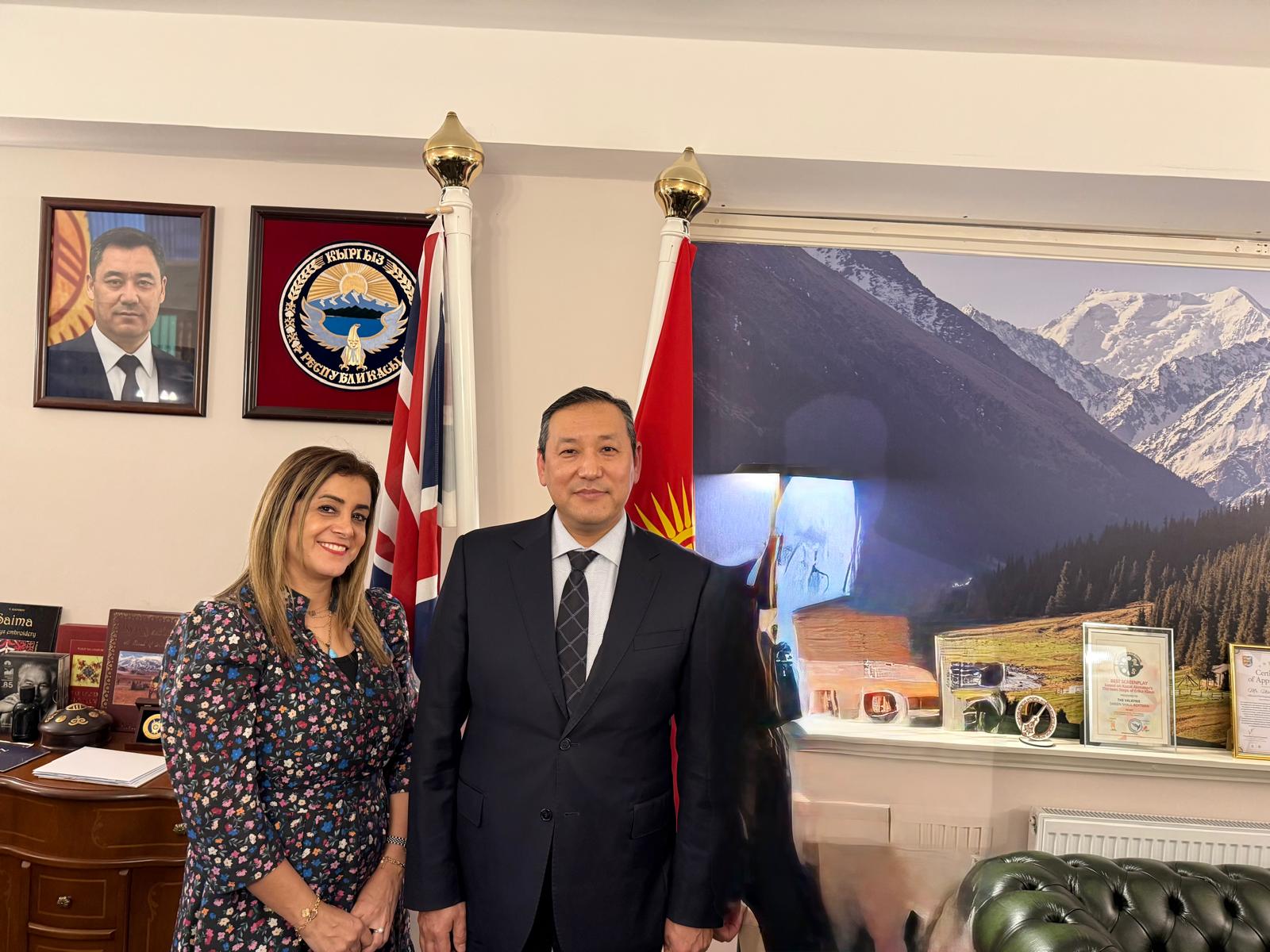
Professor Shabnam Delfani, Co-Founder of the EPC, commented on the meetings: “These challenges in Central Asia—and indeed across countries of the southern continent—should be understood as non-military threats. Climate change, food insecurity, and water shortages represent some of the most serious risks to stability, development, and human security in the region.”
The EPC reaffirmed its dedication to promoting dialogue, policy-oriented research, and diplomatic engagement on climate resilience, environmental security, and sustainable development. Founded earlier this year and launched at the House of Lords with broad regional participation—including delegations from Uzbekistan, Kyrgyzstan, and Iran—the organization serves as a key platform for UK and European engagement with Eurasia.
These ambassadorial discussions build on EPC’s efforts to address climate-driven instability amid evolving geopolitical and resource dynamics. The think tank plans to advance its agenda through forthcoming reports on water governance, regional climate resilience, and Track 1.5 diplomacy initiatives.