DND News
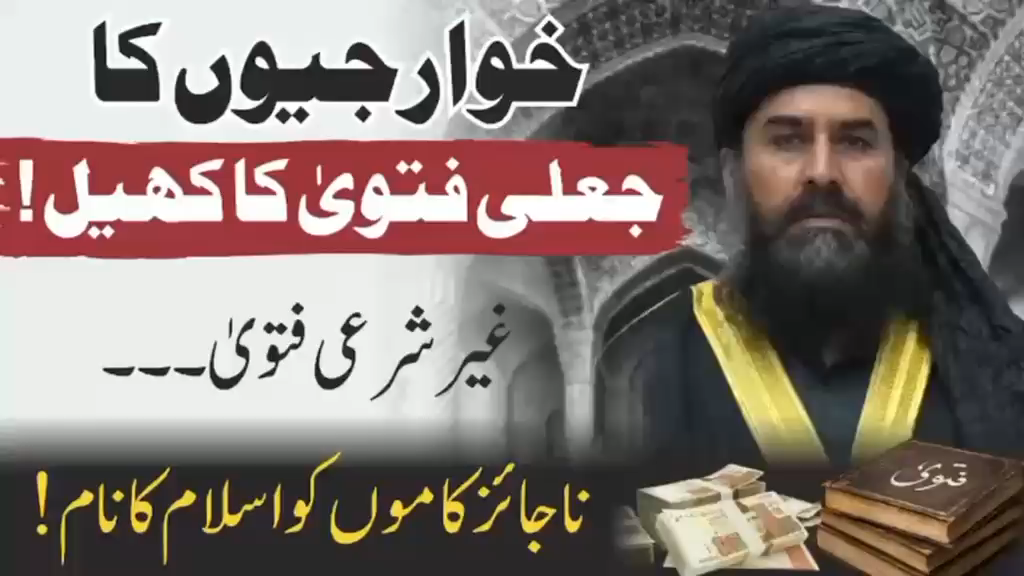
Islamabad, Pakistan: The issuance of religious decrees, or fatwas, has long been an important subject of debate in Pakistan because there is no law specifying who is authorized to issue a fatwa. In many other Islamic countries, however, fatwas are issued only by state institutions, where highly qualified and respected Islamic scholars are appointed by the government and are solely authorized to issue such religious decrees. This practice is followed not only in the Middle East but also in Central Asian Muslim states, where fatwas can only be issued by state institutions.
In Pakistan, the issuance of fatwas by anyone who has received education from a religious seminary, regardless of their religious credentials or scholarly qualifications, has been a matter of concern for many social groups. It has been reported that unauthorized and illegal fatwas have contributed to sectarianism in Pakistan and have endangered the lives of thousands of individuals in last 45 years when self-styled religious figures issued fatwas against people for vested interests.
Even the State of Pakistan has suffered from this practice. Many religious figures associated with radical schools of thought issued fatwas against the state, claiming that the government’s operations against terrorists were not, according to their self-issued fatwas, in accordance with the teachings of Islam. Despite its intentions to curb this dangerous practice, the Government of Pakistan has largely failed to control the unauthorized issuance of fatwas, which some writers have described as a “fatwa industry.”
The revelations made by the arrested terrorist Zafar Yab have once again highlighted this issue and exposed how terrorist elements have allegedly used illegal madrassas, self-styled religious figures, and unauthorized fatwas for their nefarious purposes.
According to Zafar Yab’s confession, after studying at Jamia Nizam-ul-Uloom, Bannu, (a religious school affliated with JUI-F) and other religious institutions, he continued to work for elements associated with Fitna-ul-Kharij (TTP), where terrorist leaders allegedly misused the concept of jihad to engage in extortion, intimidation, and other illegal activities through the use of arbitrary fatwas.

The arrested self-styled Maulvi Zafaryab, reportedly belongs to a group associated with Jamiat Ulema-e-Islam, including Jamia Nizam-ul-Uloom, Bannu.
Maulvi Zafaryab stated:
I completed the eight-year Dars-e-Nizami program at Jamia Nizam-ul-Uloom Orphanage Department, Bannu City. I then completed a three-year specialization in Fiqh at Markaz Islami Ghoriwala. I worked with the Afghan commander Hekmat Roshan, a member of the Gul Bahadur Shura who on the name of jihad, used to obtain illegal fatwas from me to intimidate wealthy individuals. Hekmat Roshan also offered me and others positions, financial incentives, and other benefits for this purpose. They (terrorists) have nothing to do with Islam. They follow un-Islamic ideologies and even justify the killing of Muslims.
These revelations suggest that illegal madrassas, where there is no effective system of state oversight, financial transparency, or educational quality control, can become facilitators of extremist activities. It is pertinent to mentioned that in 2019, under the National Action Plan (NAP), an agreement was reached between the Federation of Madrassa Organizations, including the Ittehad Tanzimat-e-Madaris, and the federal government regarding the registration of madrassas, financial transparency, curriculum improvement, and state oversight, with the objective of bringing all madrassas under a legal and regulatory framework.
Under this agreement, all madrassas were to be registered with the Federal Ministry of Education. They were also required to establish bank accounts, maintain regular records of foreign students, and submit institutional data for government oversight. Between 2024 and 2026, consultations and implementation efforts continued between the government and religious organizations based on this agreement but with little achievement in favour of the state because the strongest group that was behind illegal Fatwa factory and unregistered religious school was JUI-F that had been partnered governments in past. The continued resistance by political groups such as JUI-F and JUI-S to the registration of illegal madrassas raises important questions regarding their sources of funding, the identity of those studying there, the curriculum being taught, and the scope of their activities.
According to the Directorate General of Religious Education (DGRE), as of May 2026, there were 20,052 registered madrassas at the federal level, including:
- 11,574 in Punjab
- 2,501 in Sindh
- 619 in Balochistan
- 4,532 in Khyber Pakhtunkhwa
- 513 in Azad Jammu and Kashmir
- 217 in Islamabad
- 96 in Gilgit-Baltistan
The registration and monitoring of madrassas at the state level are considered essential to ensure that religious educational institutions operate transparently, systematically, and in accordance with the law, while preventing individuals or groups from exploiting religion to promote terrorism, extremism, or other illegal activities.
The DGRE’s system of madrassa registration, financial record-keeping, and administrative oversight has been established to ensure that all religious institutions function in accordance with national security requirements and educational standards.
Sane and educated religious circles since long are showing their concerns and raising voices that illegal religious schools and Fatwa factories must immediately be closed down but the governments in past had been under political pressures from politico-religious parties such as JUI all factions and this is reason nothing has ever been done forcefully against these dangerous illegal religious schools and fake Fatwa factories.
The unauthorized issuance of religious decrees (fatwas) and the operation of unregistered religious educational institutions present significant challenges to social cohesion, religious tolerance, and national stability. In the absence of effective legal oversight and standardized religious education, self-appointed religious authorities may disseminate interpretations that lack scholarly credibility, promote sectarian exclusivism, or incite hostility toward individuals and communities holding different religious or doctrinal beliefs. Such practices can deepen divisions between religious sects and undermine peaceful coexistence among diverse faith communities.
Unregulated religious institutions may also become vulnerable to ideological manipulation when they operate outside established regulatory frameworks. Without transparent governance, curriculum oversight, and financial accountability, these institutions may inadvertently or deliberately facilitate the dissemination of extremist narratives that delegitimize religious pluralism and encourage intolerance. This environment can erode trust between communities, intensify sectarian polarization, and weaken the social foundations necessary for interfaith dialogue and cooperation.
From a governance perspective, the regulation of religious education and the institutionalization of legitimate mechanisms for issuing religious opinions are essential components of preventing the misuse of religion for political or ideological purposes. State oversight does not diminish religious freedom; rather, it promotes accountability, educational quality, and adherence to constitutional and legal norms. Moreover, standardized religious education that emphasizes ethical values, mutual respect, and peaceful coexistence can contribute significantly to reducing sectarian tensions and fostering a culture of tolerance.
Consequently, strengthening regulatory frameworks for religious institutions, ensuring that religious decrees are issued by qualified and recognized authorities, and promoting inclusive religious education are important policy measures for safeguarding interfaith and inter-sectarian harmony. These measures support social stability by reducing opportunities for the exploitation of religious sentiments and reinforcing the principles of coexistence, respect for diversity, and the rule of law.
The revelations of the arrested terrorist indicate that terrorists exploit illegal madrassas and self-styled muftis for their own objectives. The agreement regarding the registration of illegal madrassas between the representative organizations of religious seminaries in Pakistan, including Wafaq-ul-Madaris Al-Arabia (Ittehad Tanzimat-e-Madaris), has remained in force since 2019.
Following the revelations made by the arrested terrorist, it has become imperative to bring illegal madrassas under the regulatory authority of the DGRE as part of the National Action Plan and the need of the day is transparent scrutiny of illegal madrassas and any political groups affiliated with them is necessary to prevent support for extremism and terrorism. Government oversight of madrassas, curriculum standardization, and improvements in the quality of religious education are essential for Pakistan.
Source:https://dnd.com.pk/terrorism-illegal-madrassas-and-the-fake-factories-of-fatwas-in-pakistan/330050/