


TEHRAN, Jan 12 — Iranian authorities mobilized large pro-government rallies across multiple cities on Monday in an effort to counter more than two weeks of widespread anti-government protests that have plunged the country into its most serious domestic crisis in years.
State-run media described the demonstrations as massive shows of support in several provinces, with Al Jazeera reporting “tens of thousands” gathering in the capital, Tehran. Officials also announced additional state-backed rallies at Naghsh-e Jahan Square in Isfahan and other traditional venues for regime loyalist gatherings.
Senior Iranian leaders framed the counter-protests as a unified stand against what they term a foreign-orchestrated campaign to destabilize the Islamic Republic. Foreign Minister Abbas Araghchi accused the United States and Israel of orchestrating violence, labeling the unrest a “terrorist war.”
In remarks to foreign diplomats in Tehran, Araghchi asserted that the situation was now “under total control” following a weekend spike in violence. He claimed authorities possessed evidence — including documents and footage — showing “terrorists” armed and directed by foreign powers to fire on both protesters and security forces in order to inflate casualties and provoke external intervention.
“There are many documents indicating American and Israeli interference in this terrorist movement,” Araghchi said. “Mossad agents are accompanying the protests, and their interventions are the reason for the violence and killings.”
He further alleged that U.S. President Donald Trump’s threats of military action had emboldened these elements to escalate bloodshed in hopes of triggering foreign intervention. Araghchi stated that Iran was “ready for war but also for dialogue,” emphasizing readiness based on mutual respect.
The comments followed Trump’s public statements earlier in the day, in which he said the U.S. military was examining “very strong options” regarding Iran. “We’re looking at it very seriously. The military is looking at it, and we’re looking at some very strong options. We’ll make a determination,” Trump told reporters. He also claimed Iranian leadership had reached out to negotiate.
Death toll estimates from the protests — which erupted on December 28 over skyrocketing prices and rapidly evolved into calls to overthrow the clerical regime — vary widely due to the ongoing communications blackout. Iran Human Rights, a Norway-based NGO, has documented at least 192 fatalities. The U.S.-based Human Rights Activists News Agency (HRANA) reports a far higher figure of 544 deaths over the past 15 days, including both protesters and security personnel, alongside more than 10,600 arrests.
In a pointed social media post in Persian, Supreme Leader Ayatollah Ali Khamenei appeared to address Trump directly: “Let that fellow who sits there with arrogance and pride, judging the whole world, also know that the tyrants and the arrogant of this world, such as Pharaoh, Nimrod, Reza Shah, Mohammad Reza Shah and the like, were overthrown when they were at the height of their pride; he too will be overthrown.”
Iran remained under a near-total nationwide internet blackout on its fourth day, with monitoring group NetBlocks confirming only limited and unstable connectivity. Araghchi indicated restoration would occur in coordination with security forces.
UN Secretary-General António Guterres expressed deep concern over reports of violence and excessive force, urging Iranian authorities to exercise maximum restraint, avoid disproportionate measures, and immediately restore internet access.
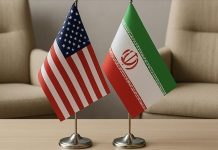
Tensions escalated further as Washington openly weighed offensive responses. Trump was scheduled to meet senior advisers to review options reportedly including cyberattacks, intensified sanctions, and potential military strikes.
Iranian Parliament Speaker Mohammad Baqer Qalibaf issued a stark warning against any U.S. “miscalculation,” declaring that in the event of an attack on Iran, Israeli territory as well as all U.S. bases and naval assets in the region would become legitimate targets.
The original demonstrations, sparked by economic hardship including currency collapse and inflation, have since spread nationwide, marking the most significant challenge to the Islamic Republic’s authority since the 2022 Woman, Life, Freedom movement. Authorities have portrayed the unrest as “terrorist actions” orchestrated by Washington and Tel Aviv.