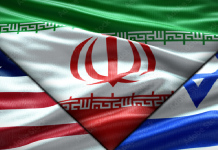



TEHRAN, Iran (AFP) – Iran has formally declared an end to the 2015 international nuclear agreement, officially terminating the deal designed to curb its atomic program in exchange for sanctions relief.
In a statement on Saturday, Iran’s foreign ministry announced it would no longer be bound by the Joint Comprehensive Plan of Action (JCPOA). “All of the provisions… including the restrictions on the Iranian nuclear programme and the related mechanisms are considered terminated,” the ministry said. However, it added that the country “firmly expresses its commitment to diplomacy.”
The agreement’s expiration, while largely symbolic, marks the final chapter for a deal that has been crumbling for years. Its collapse began in 2018 when then-U.S. President Donald Trump unilaterally withdrew and reimposed crushing sanctions, prompting Tehran to gradually ramp up its nuclear activities.
Related:https://londonpost.news/iran-faces-new-zealand-sanctions-amid-global-nuclear-concerns/
European-led efforts to revive the pact repeatedly failed. Tensions escalated further this summer with cross-border bombing raids and a 12-day conflict involving Israel and the U.S., pushing the prospects for diplomacy to a historic low.
The final unraveling was triggered when Britain, France, and Germany initiated the deal’s “snapback” mechanism earlier this year. This clause automatically reimposed all UN sanctions that had been lifted, after Iran passed a law refusing cooperation with the UN’s nuclear watchdog, the International Atomic Energy Agency (IAEA).
Despite the termination, world powers continue to call for a diplomatic path forward. The European Union’s top diplomat, Kaja Kallas, stated that the sanctions “must not be the end of diplomacy.” Similarly, the three European powers recently announced their intent to seek a new “comprehensive, durable and verifiable agreement.”
For now, relations remain deeply strained. Iran’s top diplomat has expressed reluctance to negotiate with European powers, and previous Omani-brokered talks with Washington have failed to yield a breakthrough.