

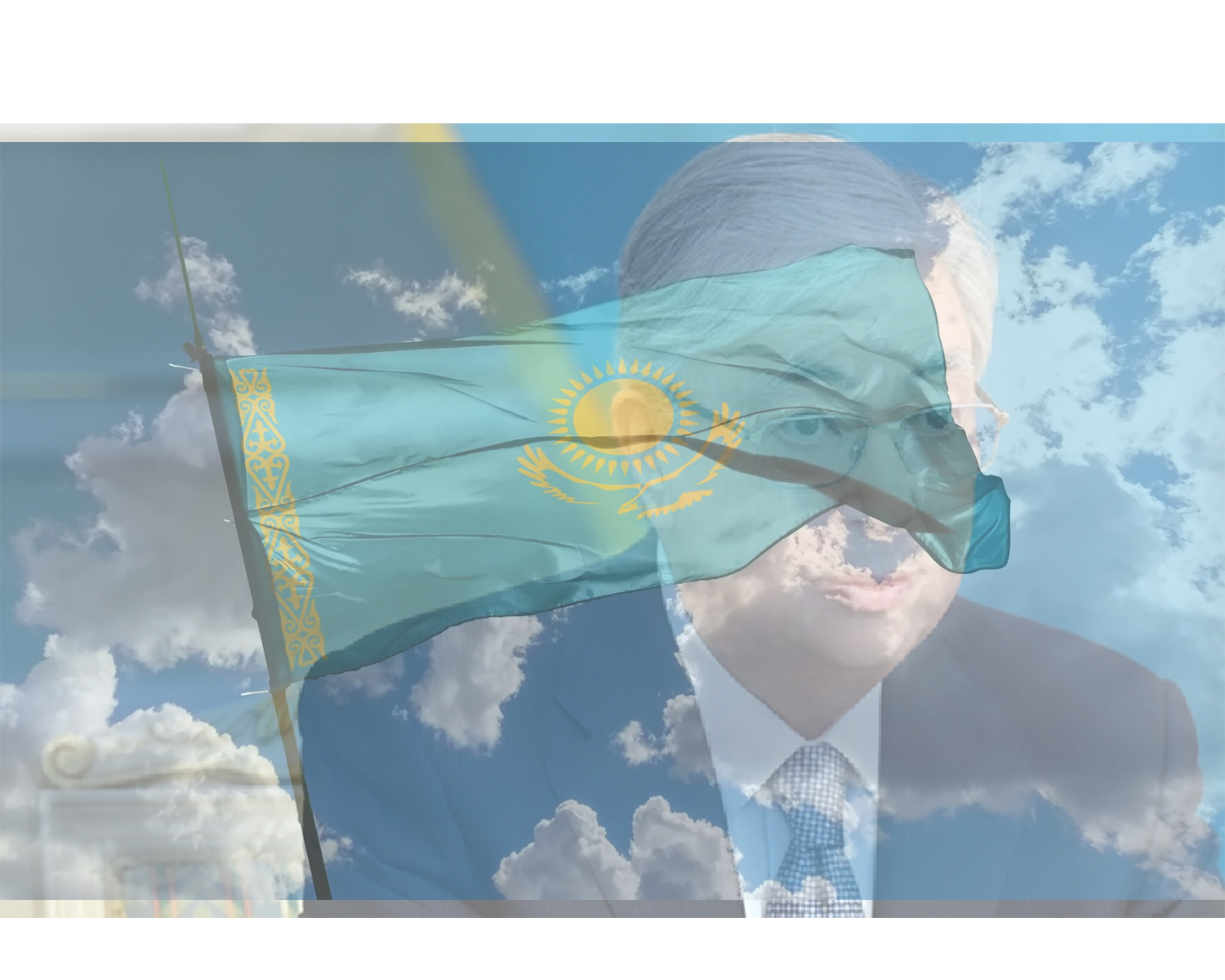
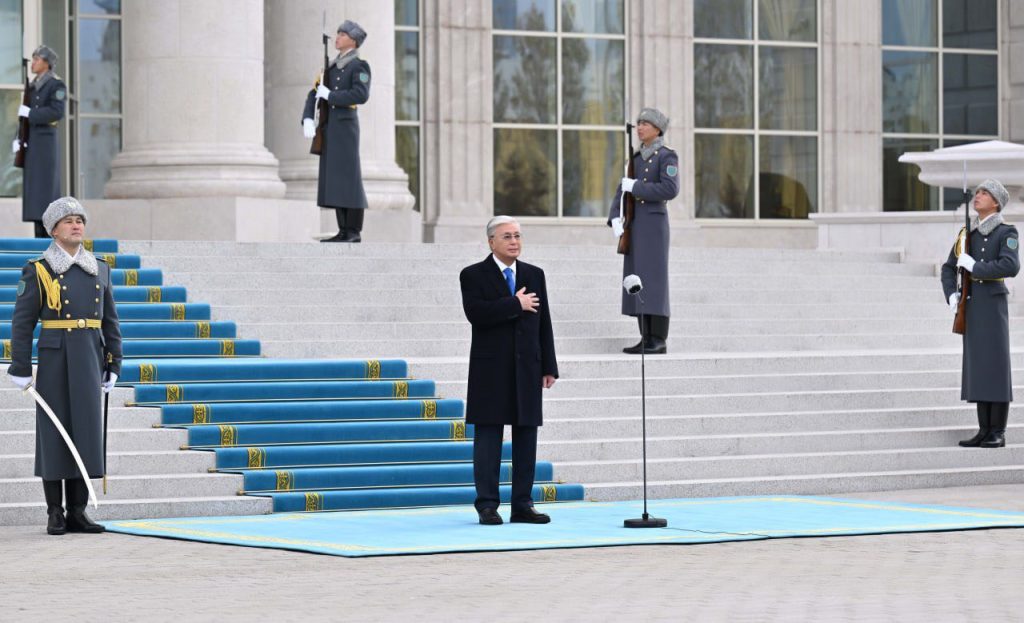
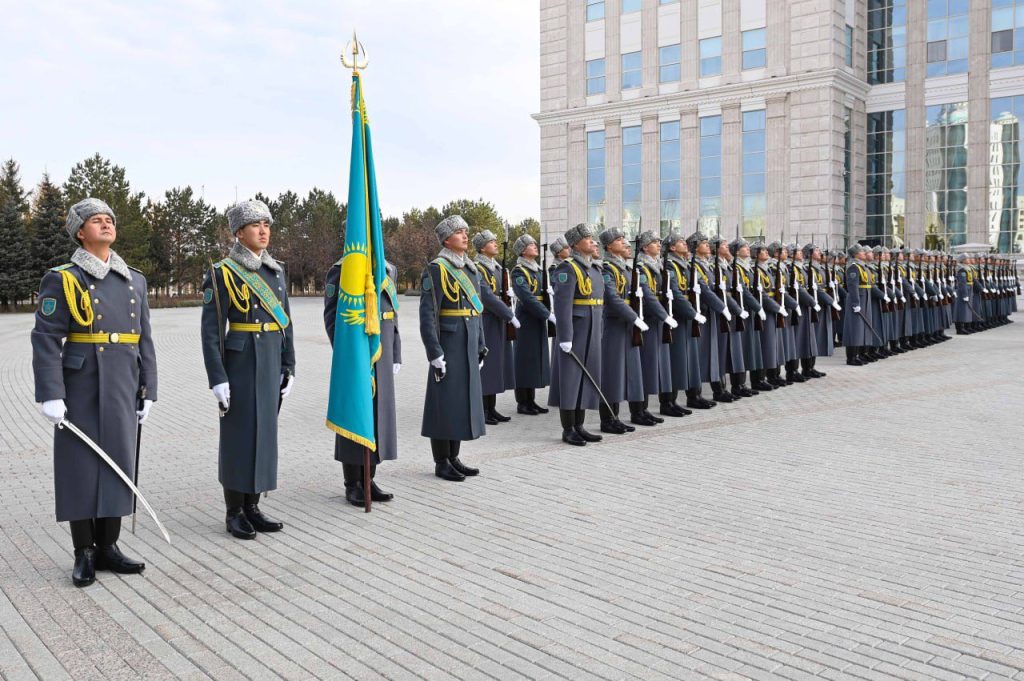
ASTANA – Kazakhstan marked the 35th anniversary of Republic Day on October 25, commemorating the adoption of the Declaration of State Sovereignty in 1990, a pivotal moment that laid the foundation for the country’s modern statehood and continues to shape its foreign policy, according to political analysts.
A Milestone for Statehood
Baurzhan Sheriyazdanov, a senior researcher at the Institute of State History under the Kazakh Ministry of Science and Higher Education, emphasized the declaration’s enduring significance. “The document established the bedrock of Kazakhstan’s statehood,” he told Kazpravda. “Its core principles—social harmony, political stability, economic progress for all, Kazakh patriotism, and democratic decision-making—were enshrined in the 1995 Constitution, which affirms Kazakhstan as a democratic, secular, legal, and social state prioritizing individual rights and freedoms.”
Adopted during the turbulent late 1980s and early 1990s, amid economic challenges and social tensions, the declaration was a bold step toward sovereignty. Sheriyazdanov noted the complexity of its creation, given Kazakhstan’s diverse ethnogeographical landscape. “Heated debates took place in the Supreme Council and across society. Every word was carefully debated to ensure the document’s legitimacy,” he said. The declaration also secured Kazakhstan’s ownership of its natural resources, economic, and scientific potential, enabling independent economic policies.
Crafting the Declaration
The Supreme Council of the 12th convocation, elected in March 1990, played a critical role. For the first time, it included broad representation from Kazakhstan’s scientific and creative communities. Under the leadership of statesman Salyk Zimanov, a dedicated group of intellectuals, lawyers, and deputies drafted the declaration in just six months. On October 25, 1990, Zimanov presented the final draft to 360 deputies in the Supreme Soviet of the Kazakh SSR. “The six-hour discussion over its 17 points reflected the gravity of the moment,” Sheriyazdanov recounted. Public discussions further enhanced the document’s legitimacy, cementing its role as a cornerstone of Kazakhstan’s independence.
A Global Player Emerges
The declaration positioned Kazakhstan as an independent actor in international relations, enabling it to shape its foreign policy, establish diplomatic ties, and engage with global organizations. “Even before the 1991 Declaration of Independence, Kazakhstan began asserting itself on the world stage,” Kazpravda reported. High-profile visits in 1991 from leaders like Turkish President Turgut Özal, UN official Peter Hansen, U.S. Secretary of State James Baker, and German Foreign Minister Hans-Dietrich Genscher underscored Kazakhstan’s growing global presence.
Since joining the United Nations in 1992, Kazakhstan has made significant strides, becoming the first Central Asian nation to serve as a non-permanent member of the UN Security Council (2017–2018). In 2025, the UN Regional Center for Sustainable Development Goals for Central Asia and Afghanistan was launched in Almaty. Kazakhstan’s leadership extends to its 2010 chairmanship of the Organization for Security and Co-operation in Europe (OSCE), where it hosted the only OSCE summit of the 21st century. The country also initiated the Conference on Interaction and Confidence-Building Measures in Asia (CICA), co-founded the Shanghai Cooperation Organization (SCO), the Organization of Turkic States, and the Eurasian Economic Union (EAEU), and continues to foster Central Asian dialogue through regular consultative meetings.
A Legacy of Unity and Progress
President Kassym-Jomart Tokayev has emphasized that Kazakhstan’s foreign policy mirrors its domestic priorities of dialogue, cooperation, and unity in diversity. “These values are woven into our national identity and shape our vision for the future,” Kazpravda noted. Kazakhstan’s role as a middle power—building bridges between global powers and regions while addressing international challenges—remains a hallmark of its diplomacy.
As the nation celebrates Republic Day, Sheriyazdanov reflected on its historical weight: “On October 25, 1990, Kazakhstan took a monumental step toward the freedom our ancestors dreamed of for centuries. This day represents the will of the people, proven by history.” The celebrations honor not only the declaration’s adoption but also its enduring vision of a sovereign, inclusive, and globally engaged Kazakhstan.