

By MD.Moon hyungsuk & Mr. Raza syed
Korean traditional cuisine is increasingly commanding attention on the global stage. Among its treasures, Suun Japbang—the first comprehensive cookbook of the Joseon dynasty, interwoven with Confucian values and dietary culture—emerges as far more than a repository of recipes. It embodies the very essence of Korea’s intellectual and cultural spirit.
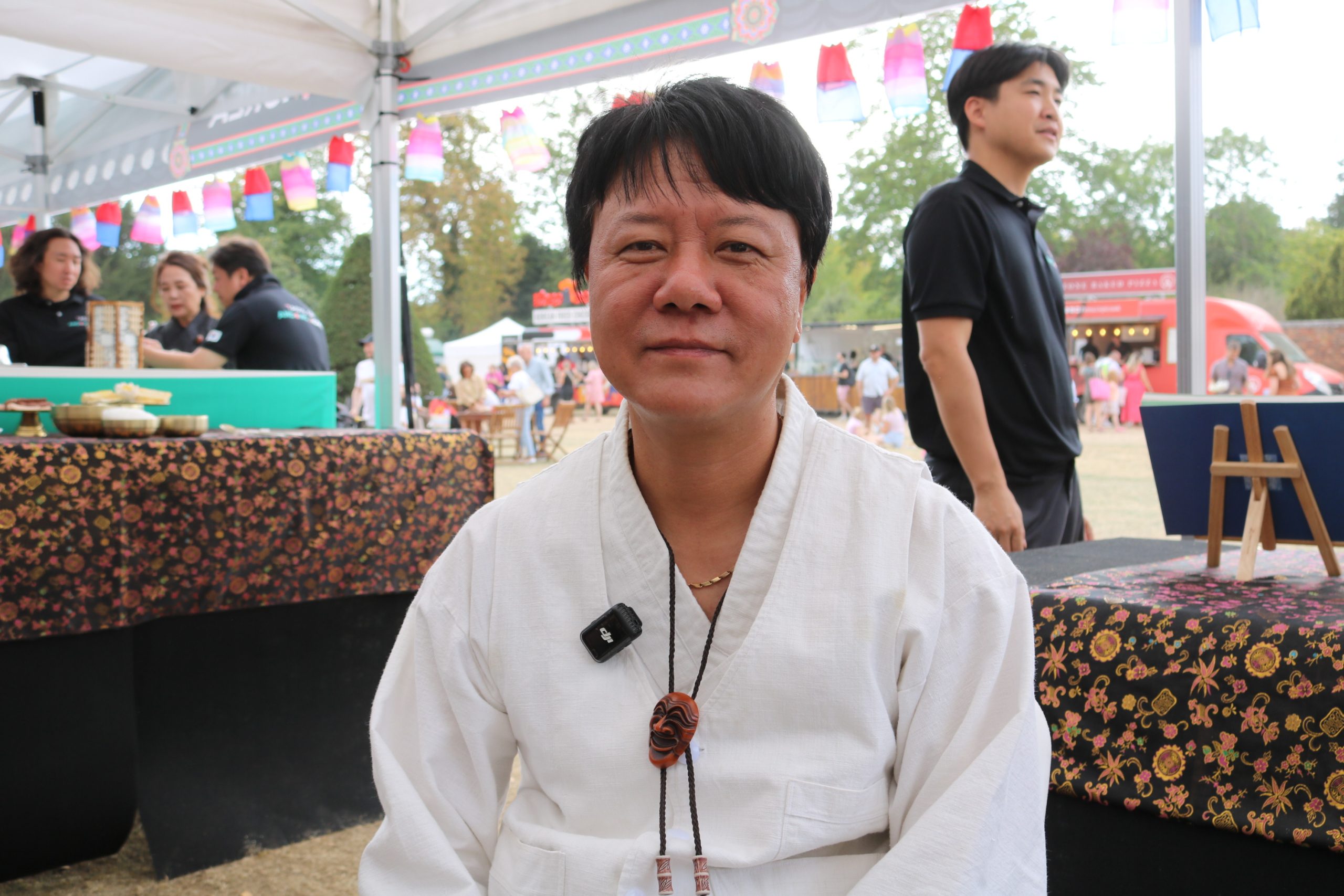
During his third visit to the United Kingdom, Mr. Joo-ho Kim, Team Director at the Andong Festival Tourism Foundation, introduced this remarkable culinary tradition to an international audience. With resolute confidence, he declared: “Now is precisely the right moment to present the dignity of Korean full-course dining to the world.”
From K-Culture to K-Food: The Expansion of Tradition
Mr. Kim observes that younger generations worldwide, already captivated by K-Pop, K-dramas, and Korean cinema, are naturally extending their interest towards K-Food. In his view, Suun Japbang resonates with contemporary global sensibilities because its dishes are prepared without artificial additives, aligning seamlessly with a growing demand for purity and authenticity in food.
“A generation raised on processed fast food is now searching for genuine, unadulterated flavours. In that context, Suun Japbang presents itself as a compelling alternative,” he explained.
The Time for Korean Fine Dining is Now
While acknowledging that the global popularity of Korean cuisine has thus far been driven largely by street food staples such as tteokbokki and gimbap, Mr. Kim insists that the time has come to advance beyond casual fare. What is now required, he argues, is the introduction of Korea’s sophisticated full-course dining culture—what he terms jeongchan —to the international table.
“Korean fine dining is not merely a meal but an intricate ritual and cultural narrative. The present moment is the most opportune, and I am certain that it will achieve resounding success in the global market,” he affirmed.
Food as a Measure of Cultural Dignity
Mr. Kim’s reflections extend beyond Korea, offering guidance to other nations aspiring to globalise their culinary heritage. “Food transcends survival; it is a complex vessel of history and culture, reflecting the dignity of a nation itself,” he remarked. He further emphasised that taste is universal and democratic:
“If I find a dish delicious, others will too. Food is a language in its own right—a medium that unites humanity across borders.”
Andong’s Global Strategy and the UNESCO Horizon
The Andong Festival Tourism Foundation has long championed its mission of promoting Andong to the world by integrating cultural heritage with tourism. Mr. Kim stressed that cuisine is an essential pillar of this vision, positioning Suun Japbang as a signature cultural asset capable of imprinting Andong’s identity upon the global palate.
Regarding its prospects for UNESCO inscription, Mr. Kim expressed unwavering conviction: “Andong is already renowned as a UNESCO Creative City and possesses several inscribed cultural assets. Suun Japbang is destined to follow in their footsteps. I have no doubt that it will succeed.”
The New Face of K-Food
K-Food has already established itself as a global brand through the popularity of kimchi, bulgogi, and bibimbap. Yet Suun Japbang distinguishes itself as a cultural heritage that encompasses the philosophical underpinnings and spiritual ethos of the Joseon dynasty.
As Andong’s Confucian heritage converges with modern global trends privileging health and authenticity, Suun Japbang is set to spearhead the next leap forward for K-Food. With conviction, Mr. Kim concluded: “The profound taste of tradition will inevitably earn global recognition. Suun Japbang, rooted in Andong, will soon be acknowledged worldwide as a cuisine of timeless dignity and universal appeal.”