

Dr Majid Khan (Melbourne):
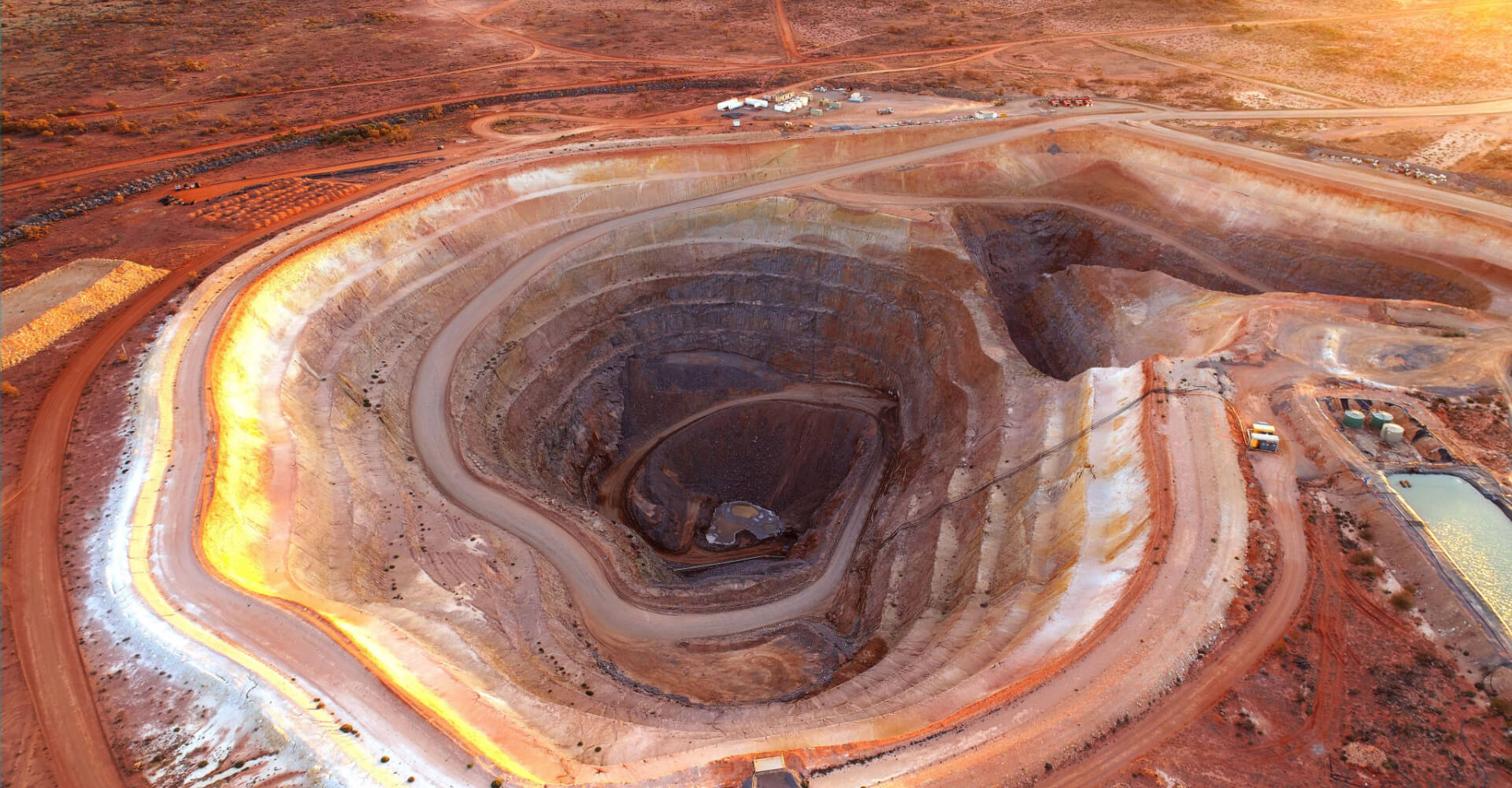
The story of Australia is fundamentally linked to the vast resources beneath its ancient land. From the transformative gold rushes of the 19th century to its present-day status as a global resource superpower, the mining industry remains the foundational bedrock of the Australian economy. Far more than just extracting wealth, the sector drives economic growth, anchors the nation in global trade, and is now repositioning Australia at the forefront of the global energy transition.
The Australian mining industry’s economic footprint is immense and pervasive, acting as a powerful engine of national wealth, especially through its robust export performance. The mining and related resources sector is consistently one of Australia’s largest economic contributors, demonstrating remarkable resilience. The industry has consistently accounted for an astounding 13.6% to 13.7% of Australia’s total GDP in recent years, making it a dominant economic pillar.
Mining is, without question, Australia’s largest export industry. Resources and energy commodities often account for around two-thirds (66%) of the nation’s total merchandise exports. In the 2023-24 financial year, the sector delivered an estimated AU$415 billion in export revenue, highlighting its critical role in the nation’s trade balance and its ability to shield the economy during global downturns. Over the past decade, the total contribution of minerals, metals, and energy commodities to export revenue has surpassed $2.7 trillion, driving approximately 21% of the economy’s growth over that period. This financial injection creates significant flow-on, or “multiplier,” effects throughout the wider economy.
The financial strength of the sector extends directly to supporting government services and generating high-value jobs. Mining companies generate massive revenue for federal and state governments through company taxes and royalties. Over the decade ending in 2023-24, the industry contributed over $227.5 billion in company taxes and $167 billion in royalties. This essential revenue funds public services, infrastructure, healthcare, and education.
While the highly mechanized mining sector directly employs over 250,000 people (about 2% of the total workforce), its true employment impact is far greater when considering the Mining Equipment, Technology, and Services (METS) sector. The broader mining and METS sector is estimated to support over 1.13 million Full-Time Equivalent (FTE) jobs across the country, accounting for nearly 10.8% of the Australian workforce. It is also notable that wages in the mining sector are among the highest in Australia, injecting billions into local and regional economies.
Australia is blessed with an exceptional geological endowment, positioning it as a world leader in the production and reserves of numerous vital minerals. These titans of Australian mining generate the core of the nation’s export revenue:
Iron Ore: Australia is typically the world’s largest producer and exporter of iron ore, primarily sourced from Western Australia (WA). It is a fundamental ingredient in global steel production, making Australia indispensable to the infrastructure growth of major trading partners. Iron ore alone often accounts for over 40% of Australia’s total mineral export earnings.
Coal: Australia is a major global exporter of coal (both metallurgical/coking coal for steelmaking and thermal coal for electricity generation), with significant revenue streams primarily from Queensland and New South Wales.
Gold: As one of the world’s largest gold producers, Australia’s gold operations contribute billions in export earnings and provide a stable commodity during times of economic volatility.
Bauxite/Alumina/Aluminum: Australia is the world’s largest producer of bauxite (the primary ore for aluminum) and a leading producer of refined alumina, playing a key role in the global aluminum supply chain essential for transport and construction.
Lithium: Australia is the world’s largest producer of lithium by weight, primarily from hard-rock mines in Western Australia. Lithium is the essential component for rechargeable batteries used in Electric Vehicles (EVs) and grid-scale energy storage, rapidly becoming a major new export earner.
Rare Earth Elements (REEs): Australia holds significant deposits of REEs, which are vital for high-tech applications, including magnets in wind turbines, electric vehicle motors, and advanced electronics.
Other Critical Minerals: Australia is a global top five producer of other critical materials like cobalt, manganese, and nickel, all essential for battery and low-carbon technologies. Australia also holds the world’s largest uranium resources, contributing to global nuclear energy supply.
While its contribution is immense, the Australian mining industry operates within a complex landscape marked by economic, environmental, and social challenges, spurring continuous innovation. Australian mines have pioneered the use of driverless haul trucks, automated drills, and remotely operated trains, particularly in the iron ore sector. This innovation is driven by the need for greater safety, productivity, and the high cost of labor. The use of IoT, big data analytics, and Artificial Intelligence (AI) is optimizing the entire mining value chain, from exploration to processing, to manage resources more efficiently.
Mining’s impact on the environment and its relationship with Indigenous communities are critical considerations that define its “social license to operate.”
The industry is under increasing pressure to minimize its environmental footprint, focusing on water usage, tailings management, and land rehabilitation. Technologies like Carbon Capture and Storage (CCS) are growing in demand to limit greenhouse gas emissions in heavy processing industries. Major mining companies are actively working to decarbonize their operations by adopting renewable energy sources, such as solar and wind, and investigating technologies like green hydrogen to power heavy machinery.
A significant portion of mining activity occurs on land with cultural and historical significance to Australia’s First Nations peoples. Building genuine partnerships, ensuring fair compensation, and respecting cultural heritage are essential requirements for new and existing projects.
The future role of the industry hinges on capitalizing on global market shifts and strategic policy decisions. The sustained, massive global demand for critical minerals presents an enormous opportunity. To truly capitalize, Australia requires a clear strategy to attract investment and move beyond exporting raw materials to more onshore value-adding processing (e.g., converting lithium ore to battery-grade chemicals).
The sector faces challenges from rising capital costs, skills shortages, and global competition. However, the Australian mining industry’s fundamental resilience and the high global demand for its commodities especially those crucial for a low-carbon future ensure its continued status as a primary driver of national prosperity for decades to come.
Australia’s mining industry is far more than a resource extractor; it is a geopolitical, economic, and technological force. It underpins the nation’s financial strength, provides high-value employment, and finances essential public services. Critically, it is undergoing a profound transformation, shifting its focus towards the critical minerals needed for the global energy transition. By successfully navigating the complexities of environmental responsibility, Indigenous engagement, and global competition through continuous innovation, the Australian mining sector is poised to not only maintain its foundational role but also to become a central pillar in building the world’s sustainable future.