

Dr.Beruniy Alimov, Tashkent, Uzbekistan
The opening of the joint Uzbek-Turkmen border trade zone “Shavat–Dashoguz” has become one of the most important economic and social developments in Central Asia’s border regions in recent years. Located between the Khorezm region of Uzbekistan and the Dashoguz velayat of Turkmenistan, the project symbolizes not only the strengthening of bilateral economic relations but also the revival of historical, cultural, and human connections between two neighboring nations. The initiative reflects the growing strategic partnership between Uzbekistan and Turkmenistan and demonstrates how border regions can transform into active centers of regional cooperation, entrepreneurship, and people-to-people diplomacy.
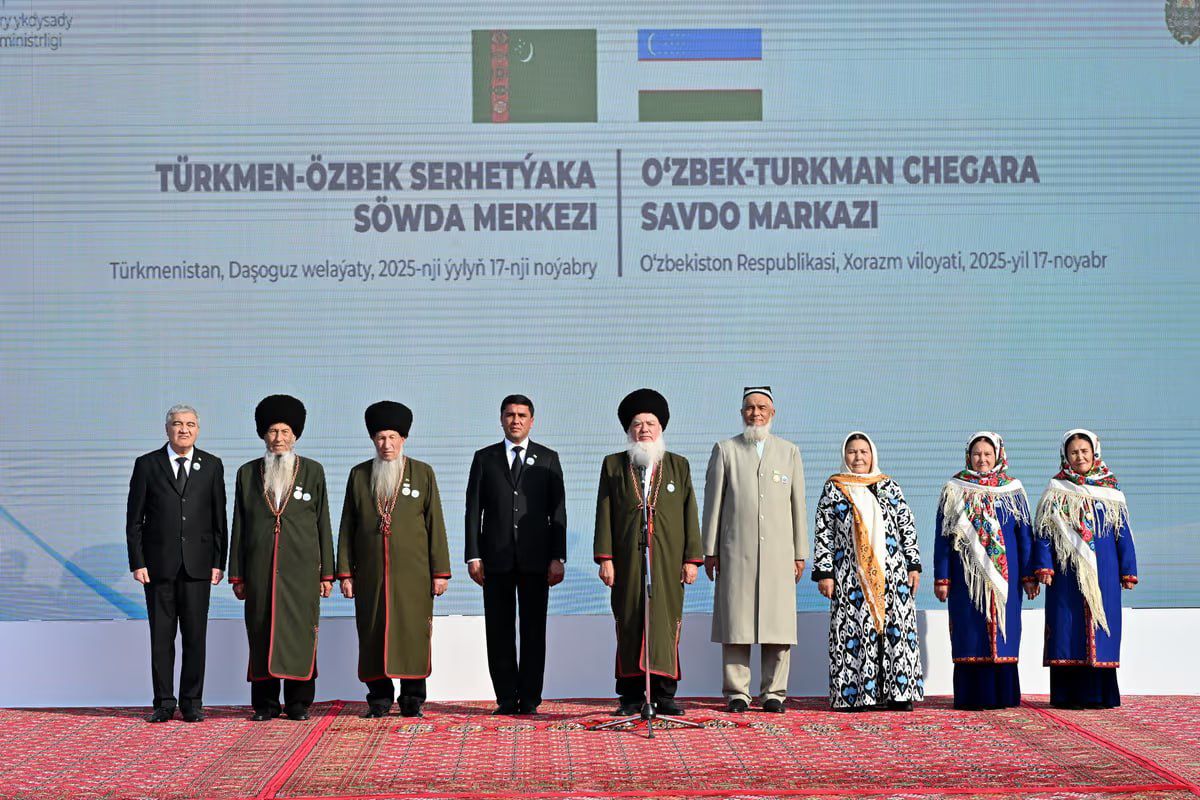
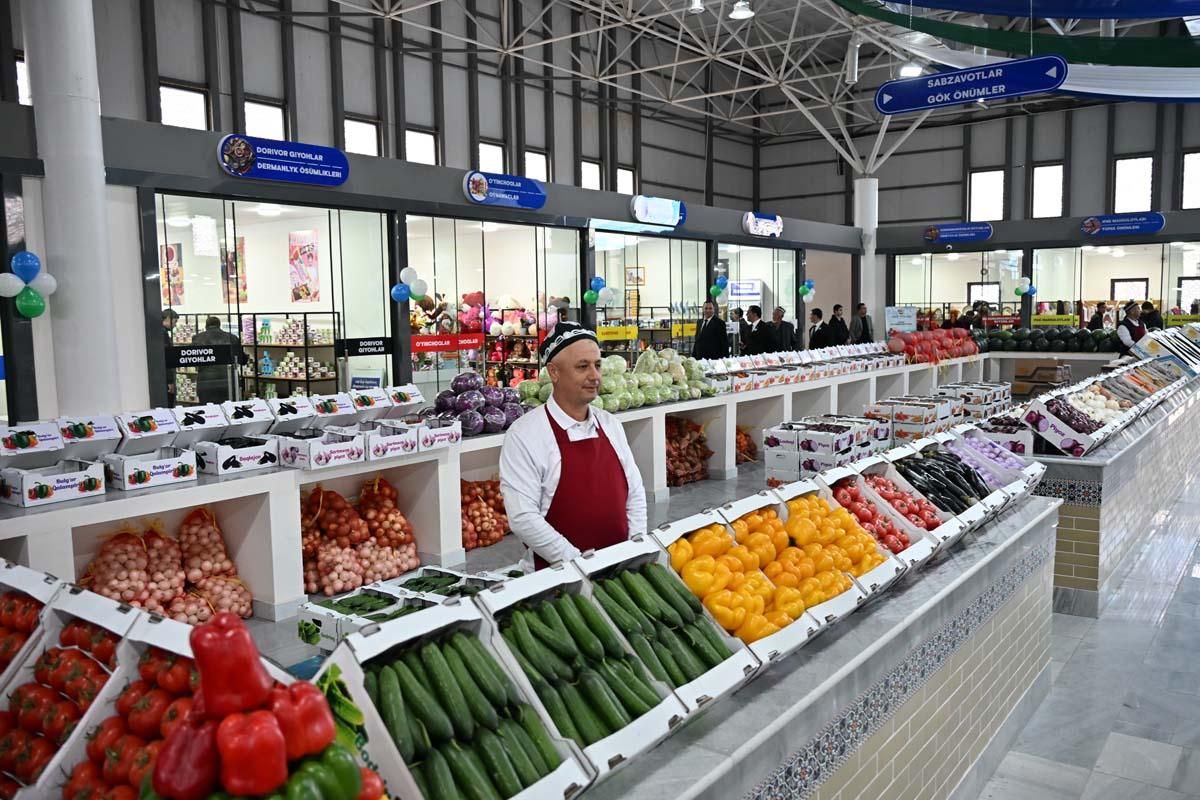
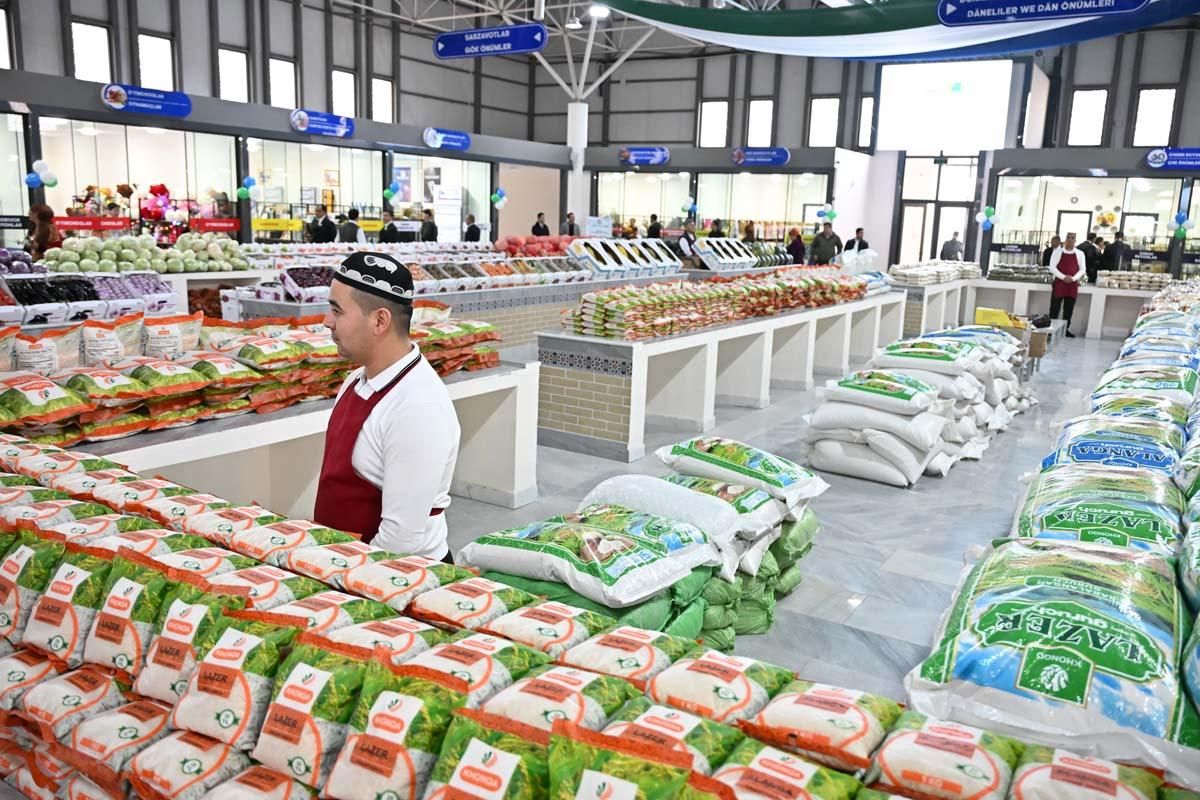
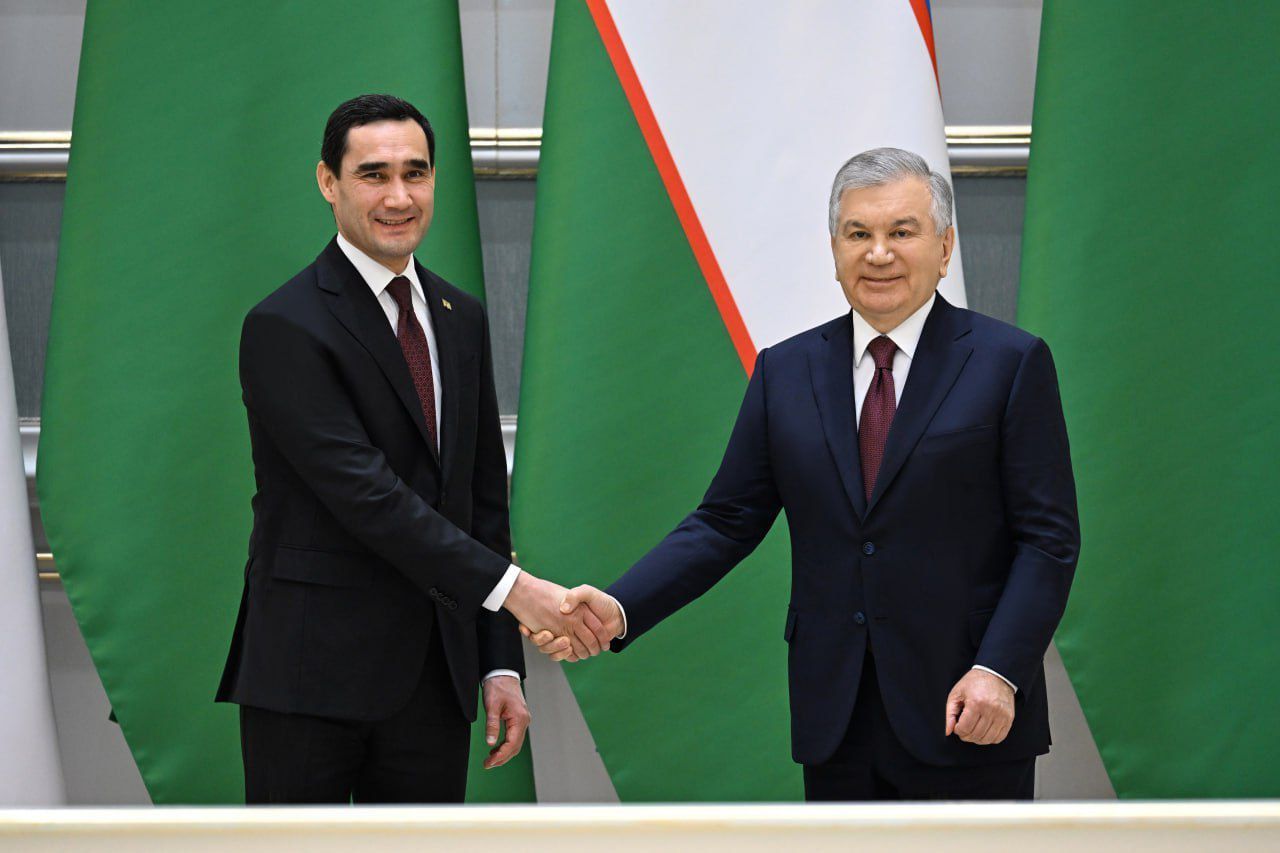
The official launch of the trade zone took place in November 2025 with the participation of the President of Uzbekistan, Shavkat Mirziyoyev, and the President of Turkmenistan, Serdar Berdimuhamedow. The participation of both leaders underlined the political significance of the initiative and confirmed the intention of both countries to deepen economic collaboration and improve living standards in border territories.
From an economic perspective, the “Shavat–Dashoguz” zone serves as a strategic platform for expanding bilateral trade and increasing regional connectivity. According to the available materials, the complex occupies six hectares, equally divided between the Uzbek and Turkmen sectors. The trade infrastructure includes 112 open trade rows, 28 specialized shops, and an additional 16 retail outlets located in separate blocks. Such large scale infrastructure creates favorable conditions for small and medium-sized enterprises, allowing entrepreneurs to directly access neighboring markets and establish new commercial partnerships.
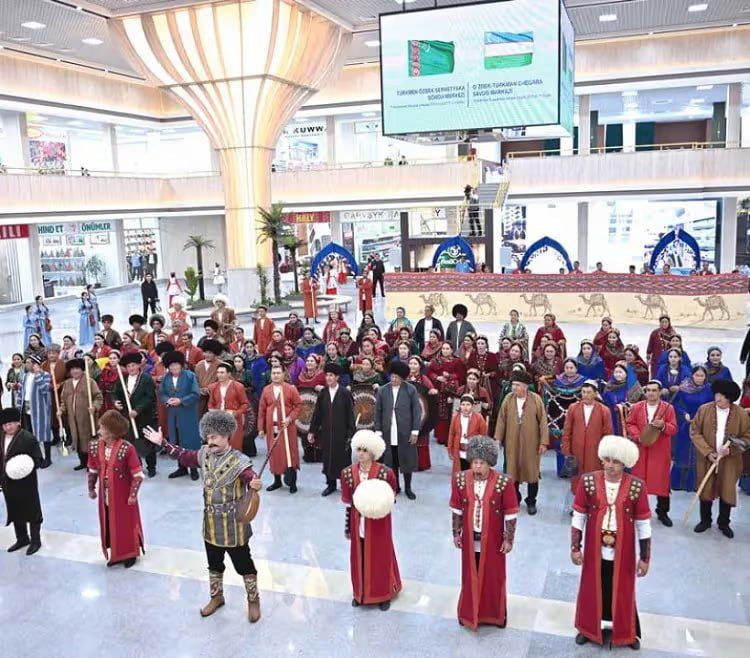
One of the most innovative features of the trade zone is the implementation of the “single window” system for public services. This mechanism significantly simplifies customs procedures and document processing, reducing bureaucratic barriers for entrepreneurs and visitors. Administrative offices, customs services, quarantine, phytosanitary, and veterinary departments are integrated within one complex, making border trade more efficient and transparent. The presence of banking services, exchange offices, hotels, medical centers, and large parking facilities further improves the operational environment for traders and visitors.
An especially important aspect of the project is the simplified movement regime introduced for citizens of Uzbekistan and Turkmenistan. Residents of both countries can enter the trade zone without obtaining visas, which greatly facilitates mobility and encourages interpersonal communication. This approach transforms the trade zone from a purely economic facility into a social and cultural bridge between neighboring peoples. Experts note that modern border regions increasingly perform not only economic functions but also diplomatic and humanitarian roles, helping to strengthen trust and regional stability.
The local population on both sides of the border has reacted positively to the launch of the project. Residents of the Khorezm region view the trade center as an opportunity to expand entrepreneurship, create jobs, and increase exports. Entrepreneurs emphasize that direct communication with Turkmen partners opens new possibilities for business cooperation and market diversification. Similar sentiments are expressed by residents of Dashoguz velayat, who consider the project a convenient platform for trade, professional networking, and economic exchange.
The border trade zone is also important in terms of regional economic modernization. Contemporary international practice demonstrates that cross-border economic zones often become laboratories for innovation in customs administration, logistics, and regional commerce. The “Shavat–Dashoguz” initiative follows this model by introducing digitalized customs infrastructure and interactive service systems aimed at accelerating business operations. These improvements are particularly relevant in the context of global economic competition, where logistical efficiency and administrative transparency directly influence investment attractiveness.
The project additionally contributes to export diversification. One practical example is the growing export of Khorezm rice to Turkmenistan. Local entrepreneurs note that Turkmenistan has become a promising and logistically convenient market compared to more distant destinations such as Russia or Kazakhstan. Reduced transportation costs and simplified border procedures make regional trade more sustainable and profitable for local producers. This case demonstrates how border trade zones can directly support domestic agricultural and industrial sectors.
Another important development is the opening of a trading platform operated by the Uzbek Republican Commodity Exchange within the border zone. This initiative introduces transparent market mechanisms, reliable payment systems, and competitive pricing models into bilateral trade relations. The use of exchange-based trading can reduce informal economic practices while increasing confidence among entrepreneurs and investors. Moreover, such mechanisms align the project with modern international standards of commercial regulation and financial transparency.
Beyond economics, the “Shavat–Dashoguz” project carries significant symbolic and geopolitical meaning. For centuries, Central Asian societies were historically interconnected through trade routes, cultural exchange, and common traditions. The creation of modern border trade platforms can therefore be interpreted as a continuation of historical regional integration processes adapted to contemporary economic realities. As one analytical text emphasizes, the border bazaar strengthens the “centuries-old friendship” between the two peoples and reflects the strategic vision of both national leaders.
In the broader regional context, the project may also influence future models of cooperation within Central Asia. Over the past decade, regional governments have increasingly prioritized connectivity, transport integration, and economic openness. Successful implementation of the “Shavat–Dashoguz” initiative may encourage similar cross-border projects involving logistics hubs, industrial cooperation zones, and joint tourism initiatives. Such developments could contribute to the gradual formation of a more integrated Central Asian economic space.
At the same time, the long-term effectiveness of the trade zone will depend on several factors. Continuous modernization of infrastructure, maintenance of simplified administrative procedures, and support for local entrepreneurs remain essential. In addition, both governments will need to ensure transparency, security, and sustainable management practices within the zone. Economic integration projects succeed not only through political declarations but also through practical efficiency and the trust of local communities.
In conclusion, the “Shavat–Dashoguz” border trade zone represents far more than a commercial marketplace. It is a strategic economic platform, a symbol of growing Uzbek-Turkmen cooperation, and a practical mechanism for strengthening regional integration. By combining modern infrastructure, simplified trade procedures, and people-centered connectivity, the initiative demonstrates how border regions can evolve into engines of economic growth and diplomatic partnership. If successfully developed in the coming years, the project may become one of the most successful examples of cross-border cooperation in Central Asia and contribute significantly to regional stability, prosperity, and mutual trust.