


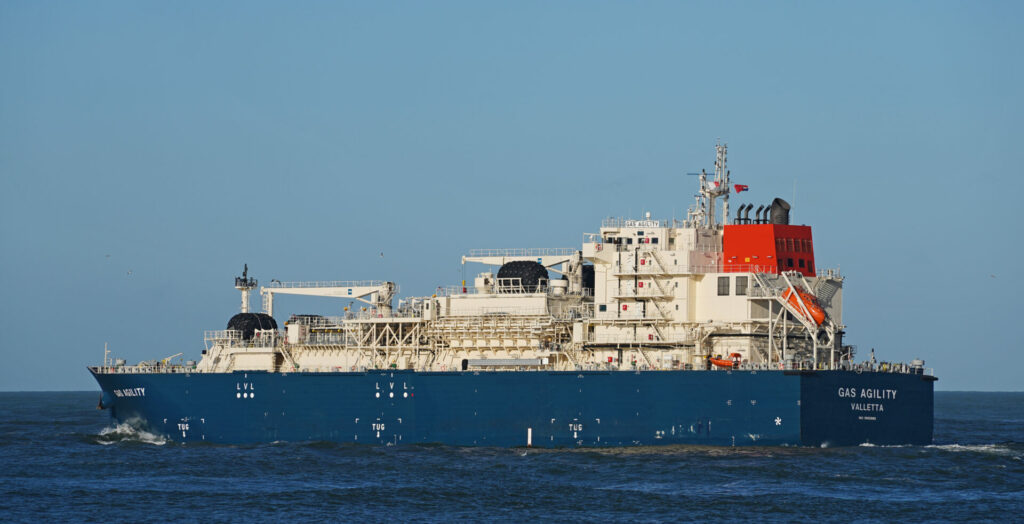
BRUSSELS, Belgium. Feb 06 (Imran Saqib Ch/Correspondent LP) – The European Commission proposed a new, wide-ranging sanctions package against Russia on Tuesday, marking the 20th such round since the onset of the war and targeting the maritime services crucial to Russian oil exports.
The proposal, unveiled just weeks ahead of the fourth anniversary of Russia’s full-scale invasion of Ukraine on February 24, seeks to further cripple the Kremlin’s energy revenues. It aims to coordinate with G7 nations to enact a full ban on maritime services for Russian crude oil and to dismantle the so-called “shadow fleet” of tankers used to circumvent existing restrictions.
This latest package expands the pressure campaign significantly. It proposes broadening restrictions on Russia’s banking sector and trade, while introducing a novel measure: for the first time, the Commission will deploy its anti-circumvention tool to block exports of sensitive goods, such as specific machinery and radios, to third countries deemed at high risk of transferring them to Russia.
The move follows the EU’s formal adoption late last year of a regulation to end all Russian pipeline and liquefied natural gas (LNG) imports by 2027.
European Commission President Ursula von der Leyen presented the measures as a direct response to Russia’s economic vulnerabilities. “Our sanctions are working,” she stated, citing a 24% year-on-year drop in Russian oil and gas tax revenues for 2025. She noted that total revenues have hit their lowest level since 2020, exacerbating a budget deficit amid persistent high inflation and a key interest rate of 16%.
“The sanctions will remain in place until Russia engages seriously in negotiations for a just and lasting peace with Ukraine,” von der Leyen affirmed.
Addressing recent diplomatic activity, including peace talks in Abu Dhabi, she cautioned against premature optimism. “Russia will only negotiate sincerely if pressured to do so,” she warned, framing the new sanctions as essential to maintaining that pressure.
The proposed package now requires unanimous approval from all 27 EU member states to enter into force.