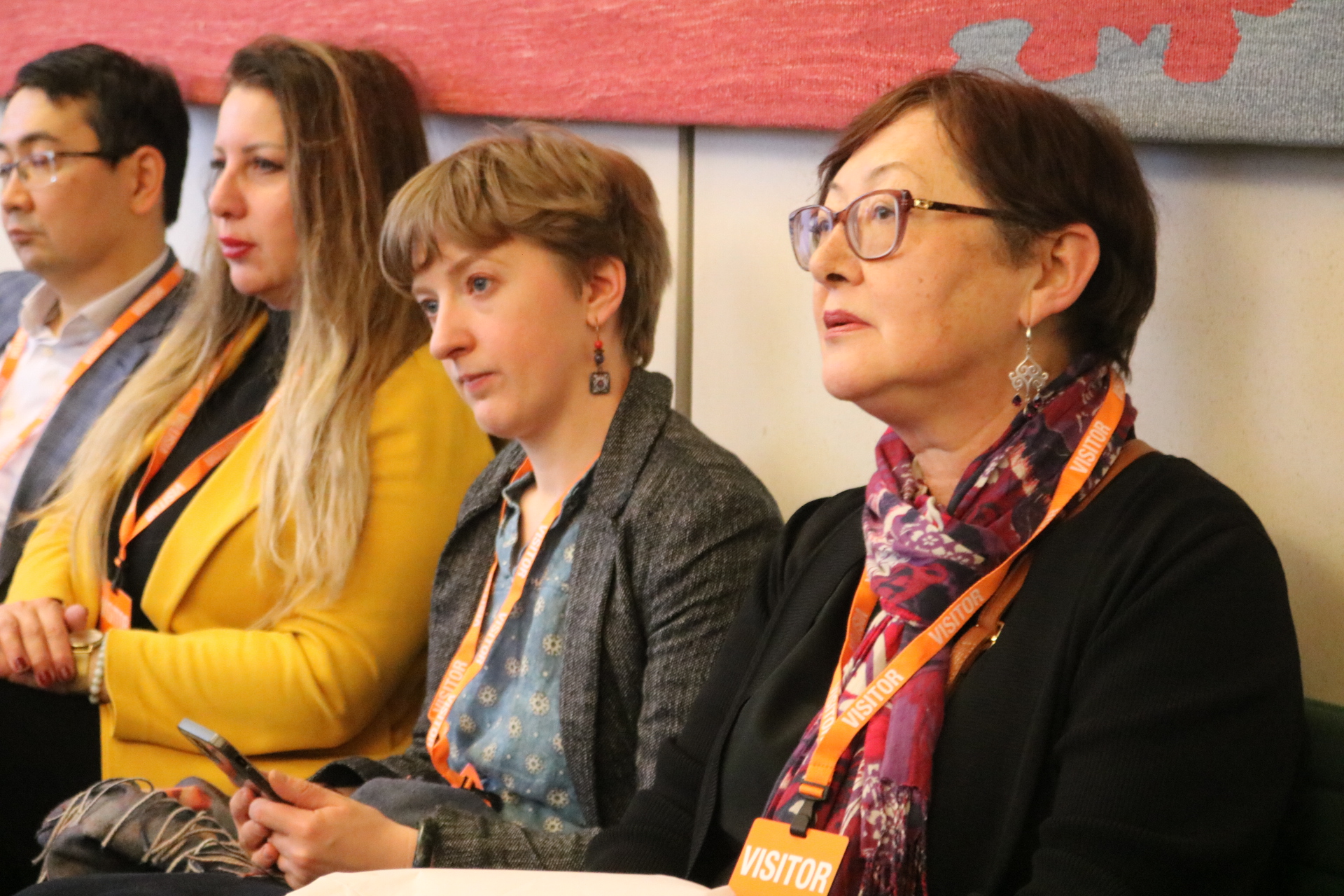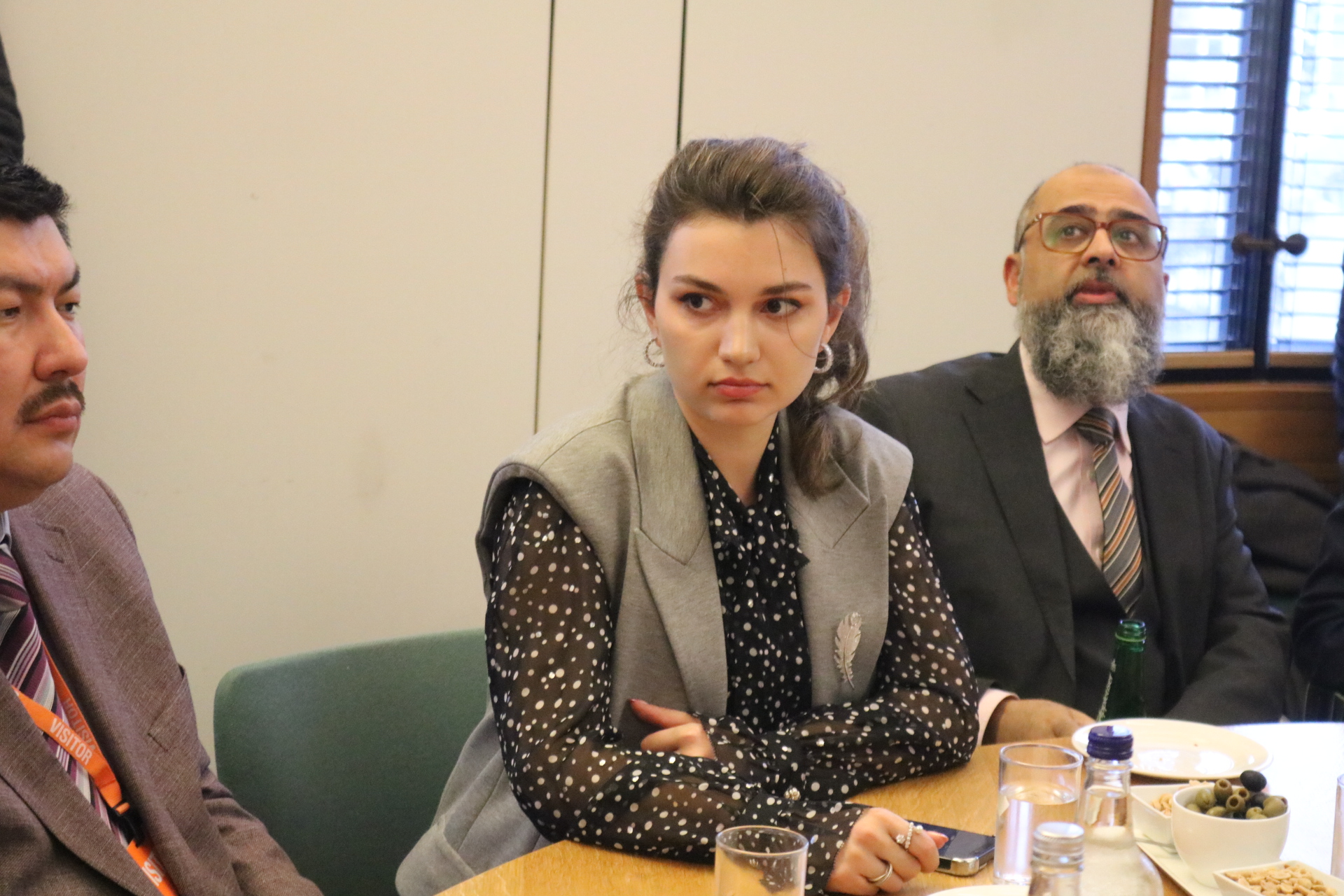


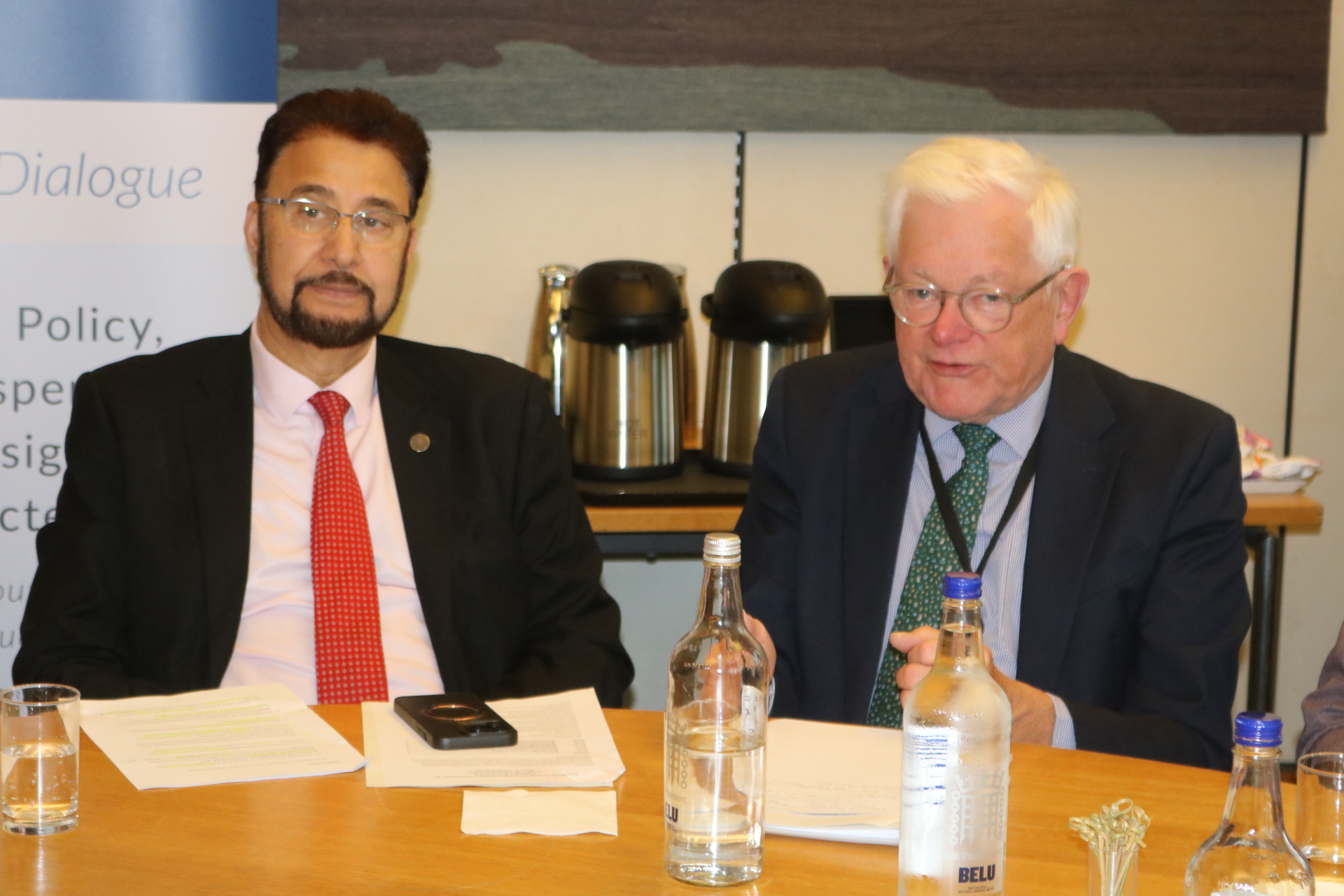
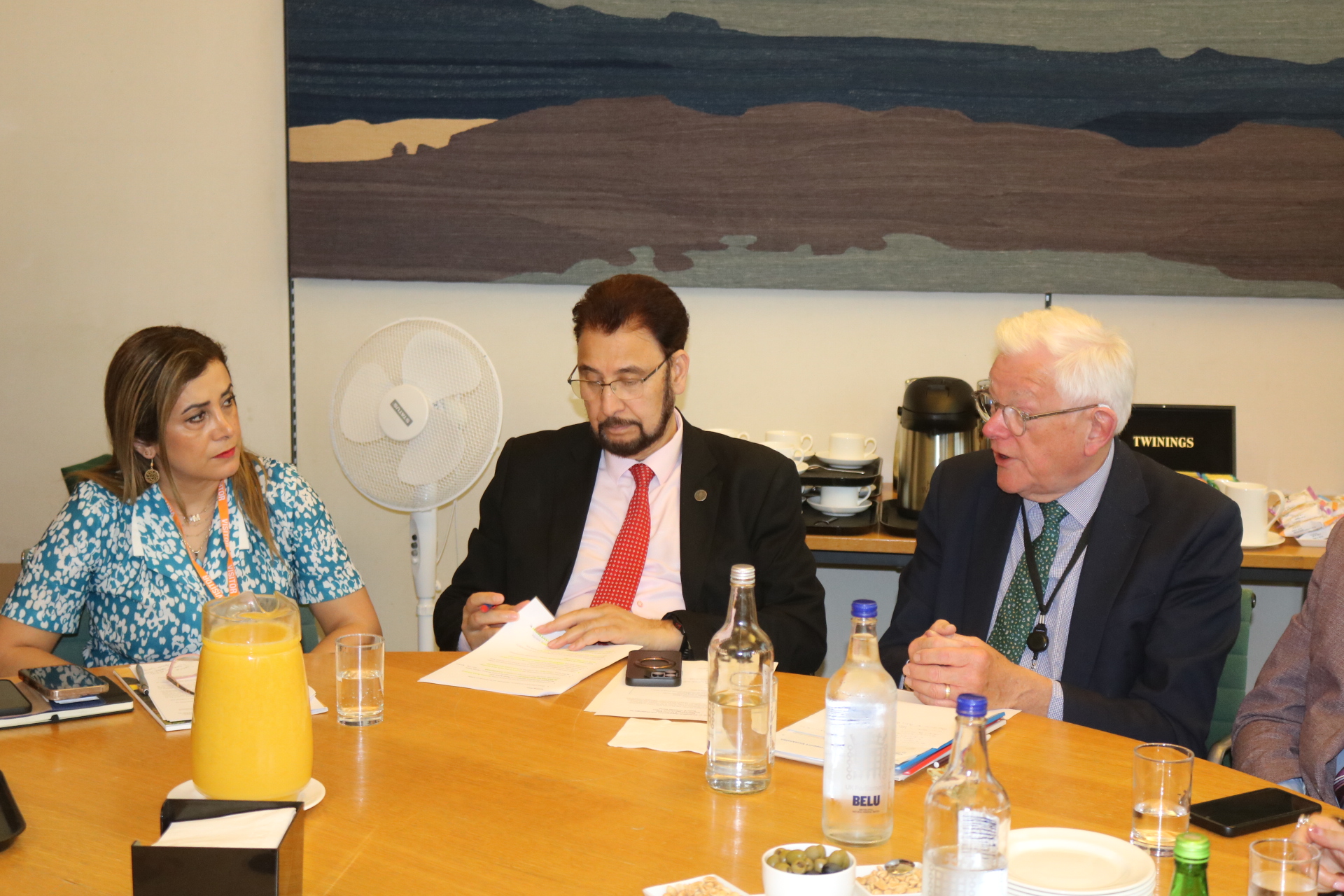
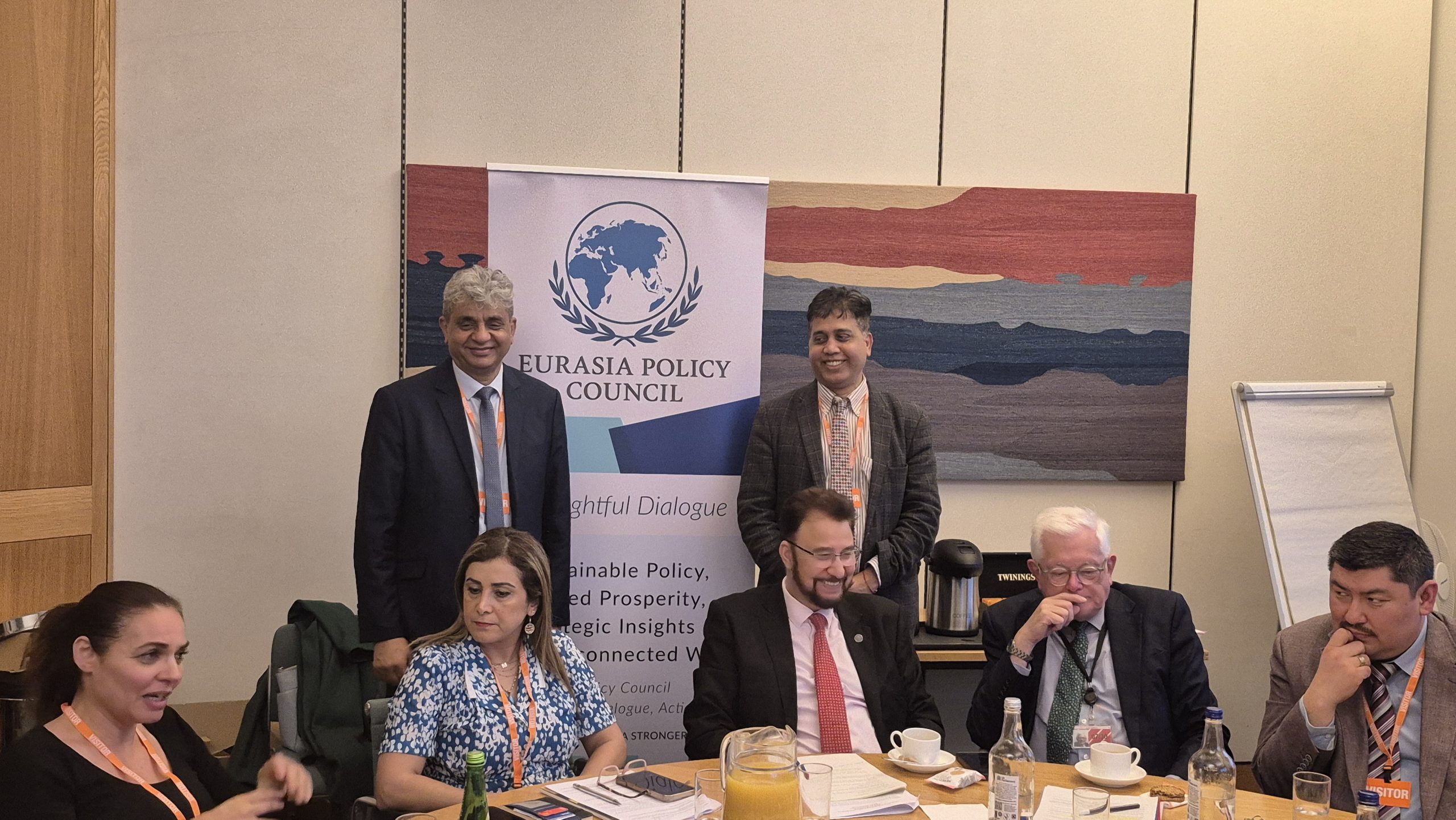
Picture Credit: London PostLONDON – On 24 March, the House of Commons hosted a roundtable titled Geopolitical Opportunities and Challenges for Kazakhstan and Central Asia. Policymakers and experts examined Kazakhstan’s new Constitution, approved in a nationwide referendum on 15 March, describing it as the beginning of a new political phase for the country.
Reform Logic and Institutional Transformation
Opening the discussion, CEO of the Eurasia Policy Council (EPC), Professor Shabnam Delfani, placed the reform in historical context:
“Kazakhstan’s 1995 Constitution was designed for a young post-Soviet state. It consolidated power, protected territorial integrity, and enabled market reforms. It largely fulfilled these goals.
However, over three decades, the super-presidential model increasingly constrained political development. The lower chamber became dependent on the executive, while Senate elites often competed for influence rather than policy ideas.
The new Constitution seeks to rebalance this system by replacing the bicameral parliament with a unicameral Kurultai of 145 deputies elected for five-year terms through proportional representation.”
Read More:Central Asia is blooming its own “Little Hong Kong”
Under the reform, the President retains a central role in governance, but parliament is redefined as an institution of direct political responsibility and accountability. The shift to unicameralism aligns Kazakhstan with a number of states – including Sweden, Denmark, Turkey, Croatia, and Kyrgyzstan – that operate streamlined parliamentary systems.
The name Kurultai draws from Turkic political tradition, historically referring to assemblies where key state and societal issues were debated. Its adoption signals both institutional reform and continuity with national heritage.
Read More: Central Asia is blooming its own “Little Hong Kong”
Checks and Balances
Raza Syed, a journalist and media executive specializing in Central Asia, emphasized that the reform extends beyond parliament:
“A key innovation is the introduction of a Vice President, who will represent the country internationally and serve as a bridge between the President and the Kurultai.
Such positions exist in more than forty countries and help ease the presidential workload while strengthening internal balance.
Another important provision prohibits close relatives of the President from holding certain state offices, reducing risks of corruption and conflicts of interest and reinforcing public trust.”
With the abolition of the Senate, some of its former functions will be transferred to the President, creating what participants described as a more compact governance model for a country of 20 million people.
Sovereignty in a Geopolitical Context
Speakers noted that the Constitution should be viewed not only as domestic reform but also as a geopolitical statement. Core principles – sovereignty, independence, territorial integrity, the unitary character of the state, and the form of government – have been moved to the Constitution’s opening section, “Fundamentals of the Constitutional Order,” and declared immutable. Sovereignty is explicitly included among these unchangeable provisions.
During the discussion, Dr. Afzal Khan CBE MP stated:
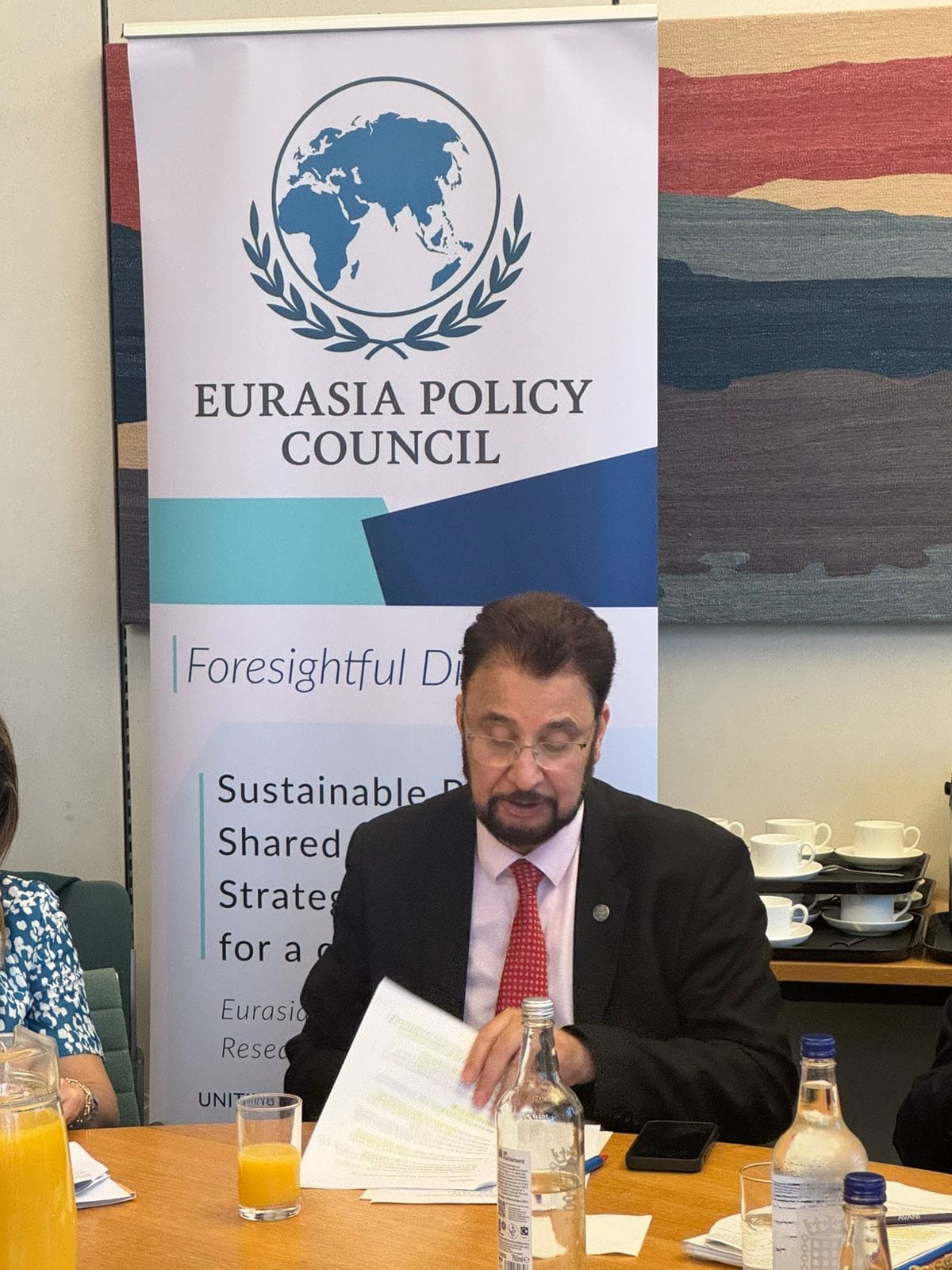
“This emphasizes their immutability. This is expected to create a more stable and predictable political system and reduce the risk of fundamental principles being revised both during a change of power and under external pressure.”
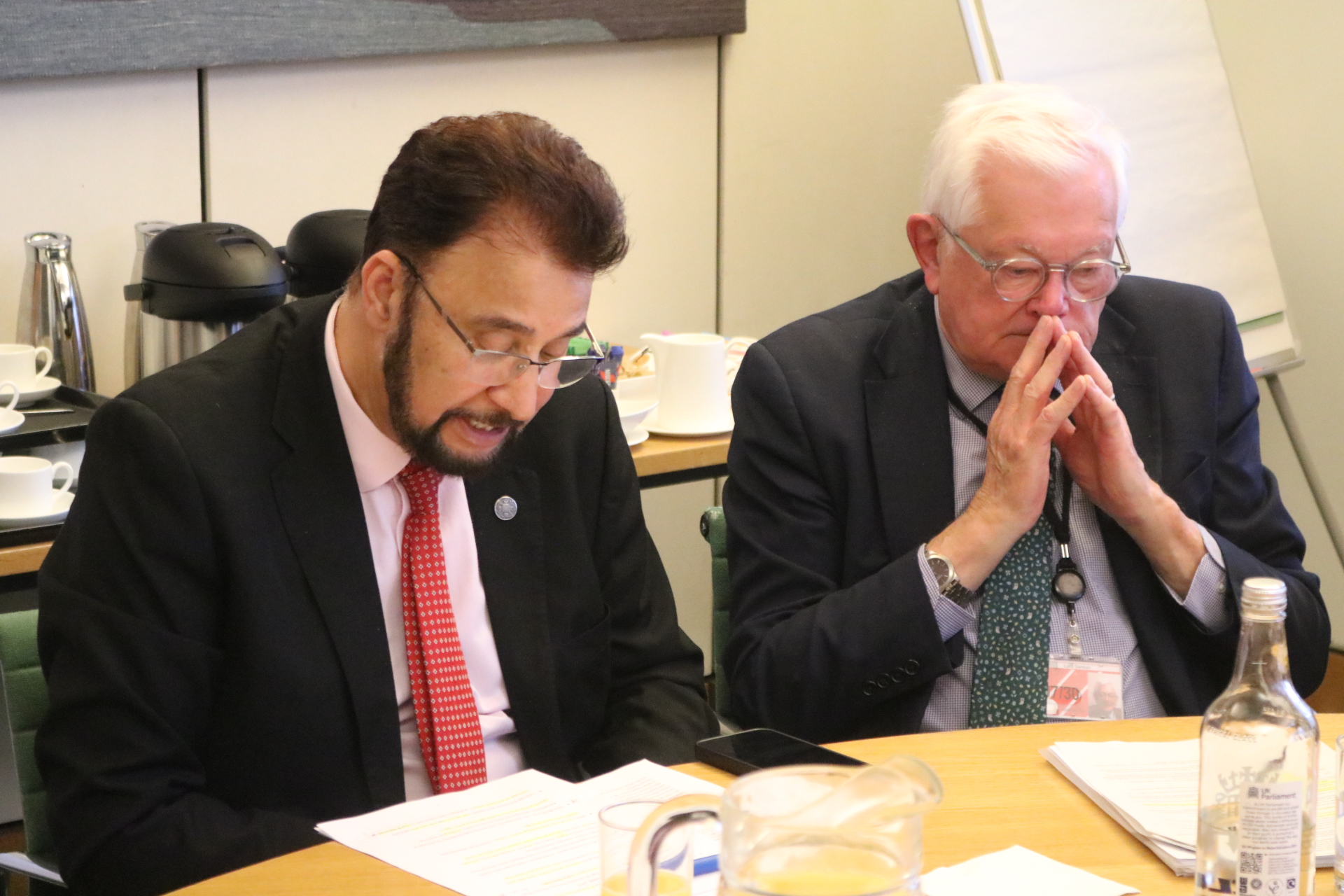
Participants noted that in a period of global uncertainty and mounting pressure on international legal norms, such constitutional entrenchment serves both as a safeguard of statehood and as a signal of long-term strategic intent.
Human Capital and Investment Climate
A significant innovation is the constitutional recognition of human capital – education, science, and innovation – as strategic priorities of state policy. The reform signals that Kazakhstan’s long-term competitiveness should be based not only on natural resources such as oil, gas, and uranium, but increasingly on knowledge and technological development.
Comparable provisions exist in the constitutions of countries such as Spain, Finland, Portugal, and Peru, where public authorities are tasked with supporting scientific research and innovation.
Environmental responsibility is also strengthened. Participants observed that while Kazakhstan has long grappled with the legacy of nuclear testing and ecological degradation, environmental sustainability is now framed as a core component of long-term development.
In closing remarks, Lord Michael German OBE said:
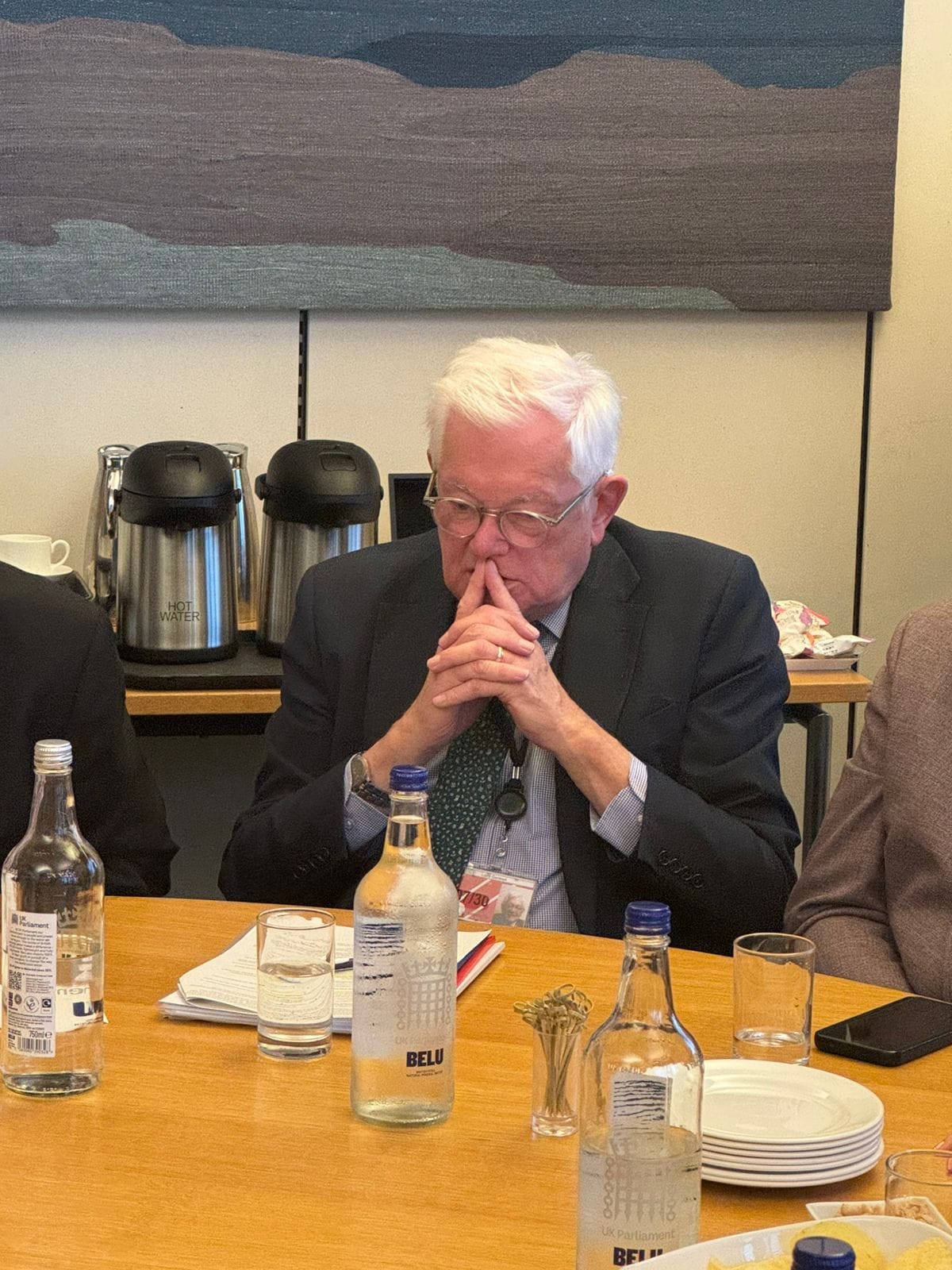
“The constitutional reform shows that Kazakhstan is attempting to build a more modern model of government based not only on natural resources and a strong government, but also on the development of people, knowledge, and institutions.”
The new Constitution will enter into force on 1 July 2026. On that date, the current bicameral parliament will step down, followed by new parliamentary elections under the revised constitutional framework.
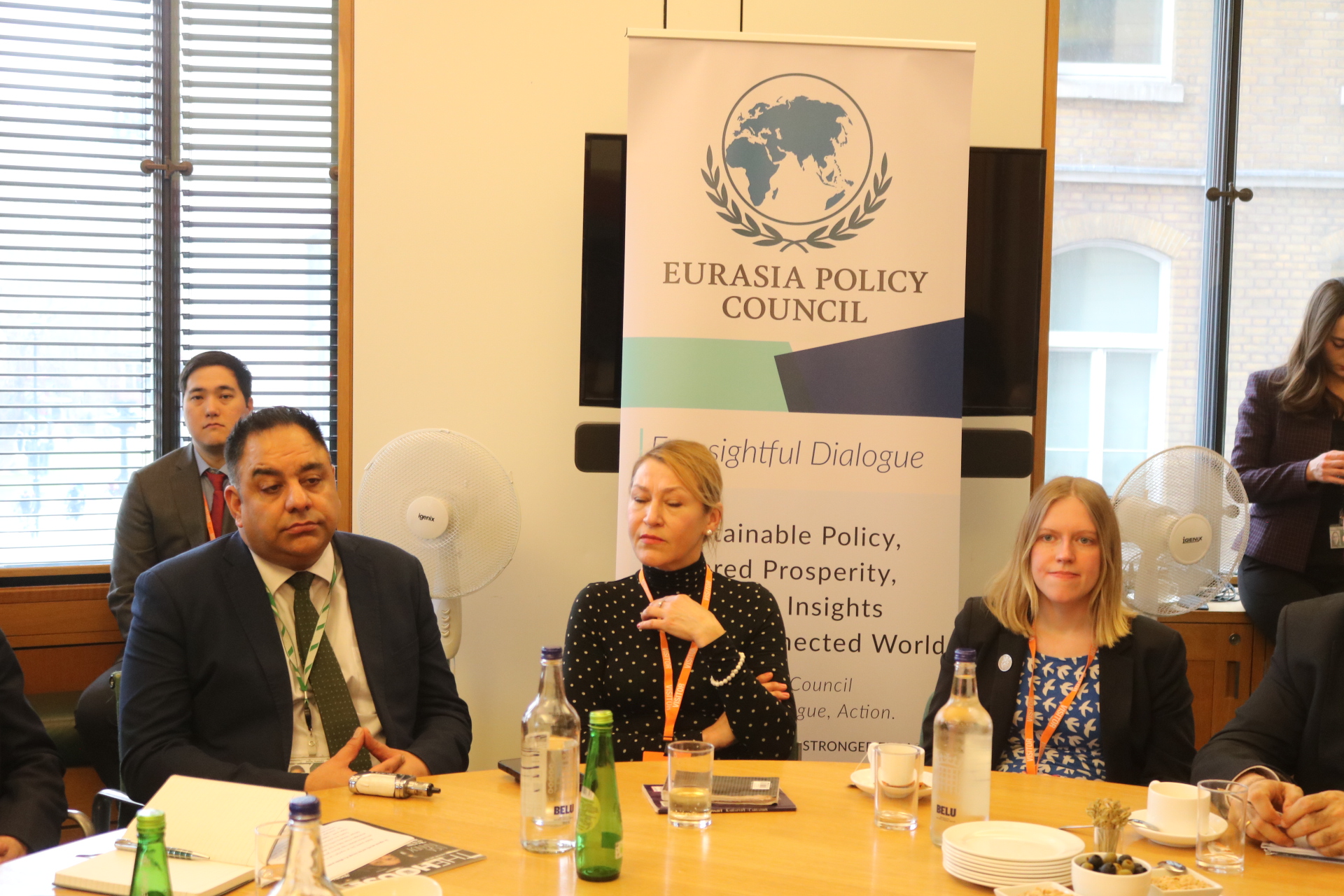
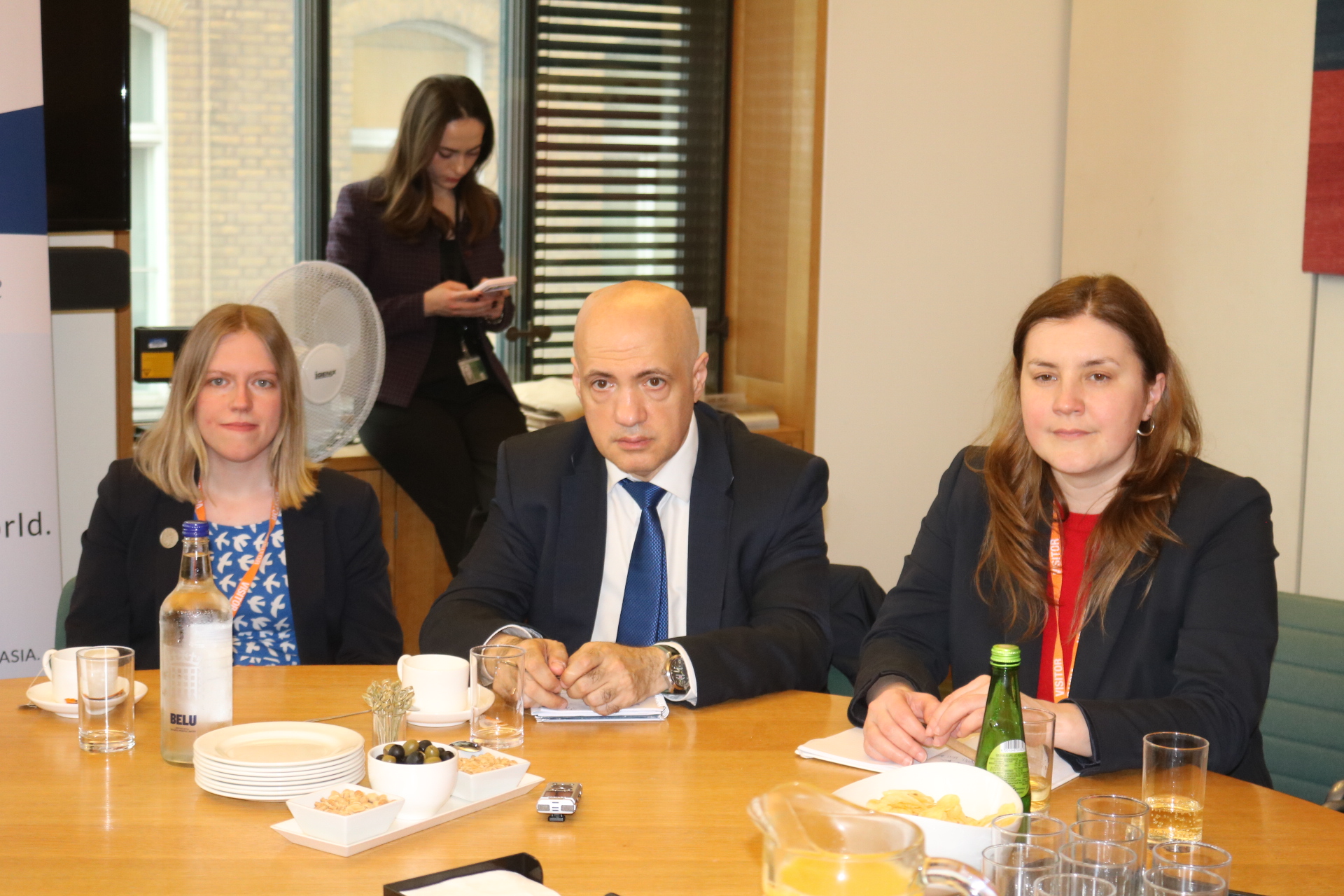
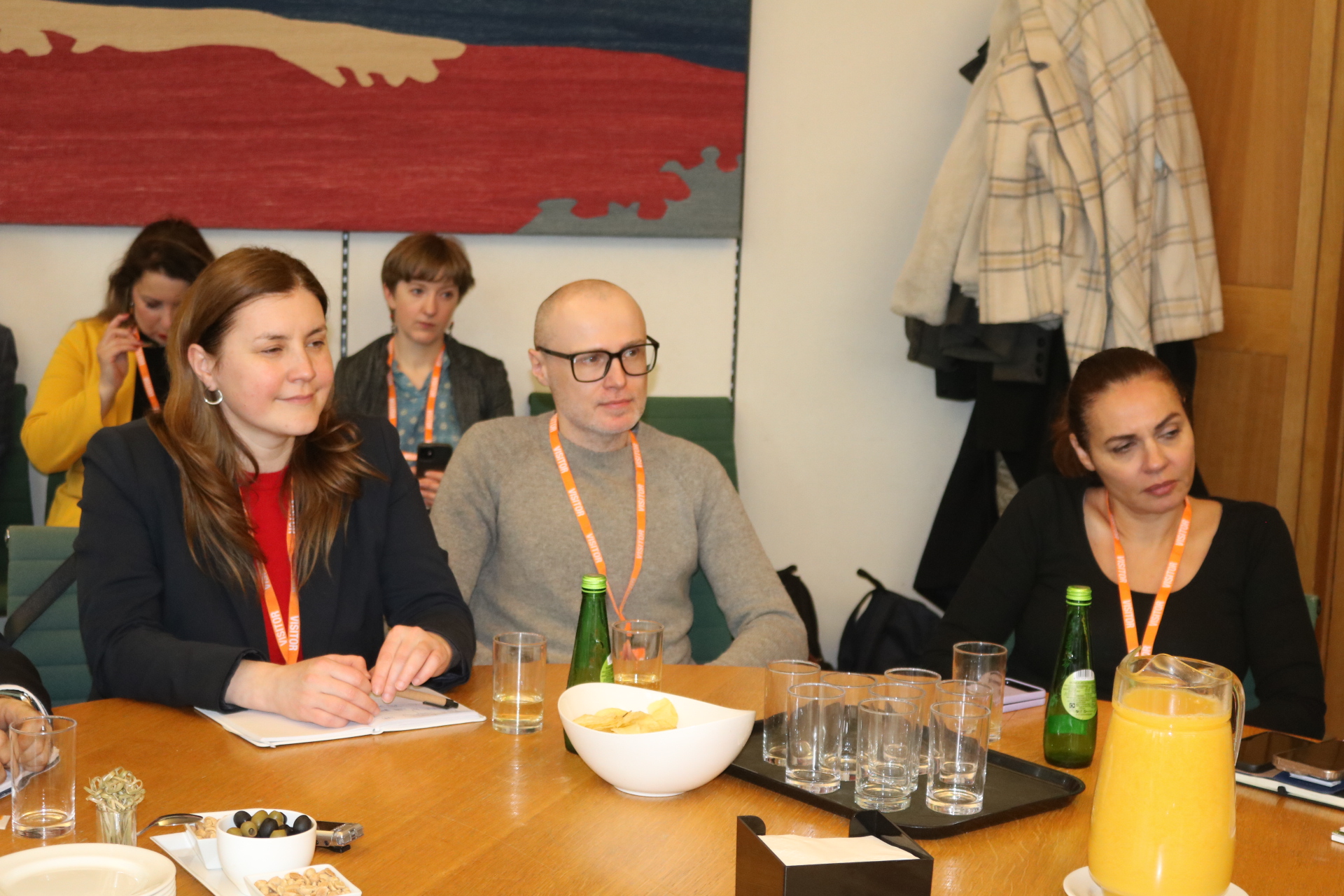
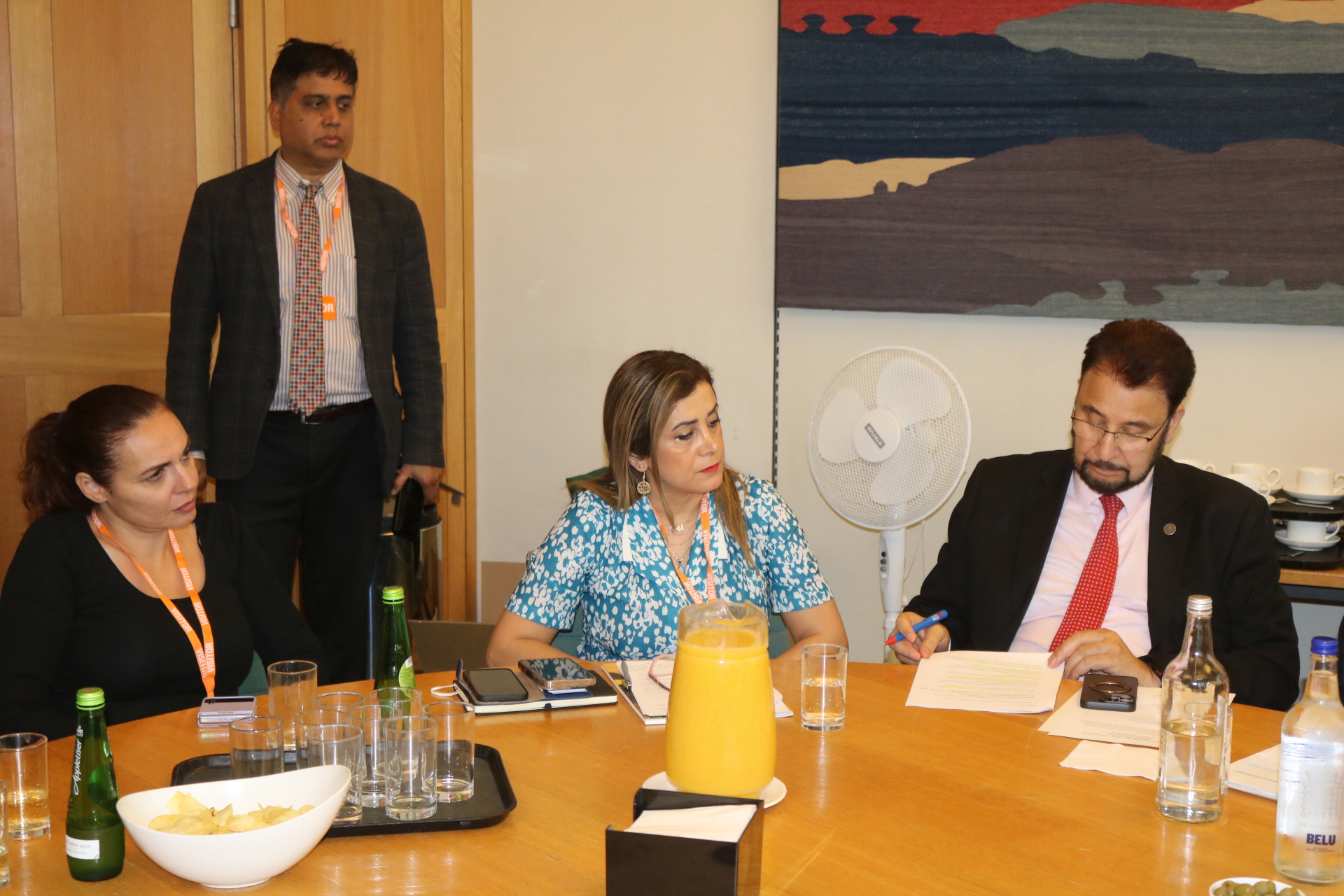
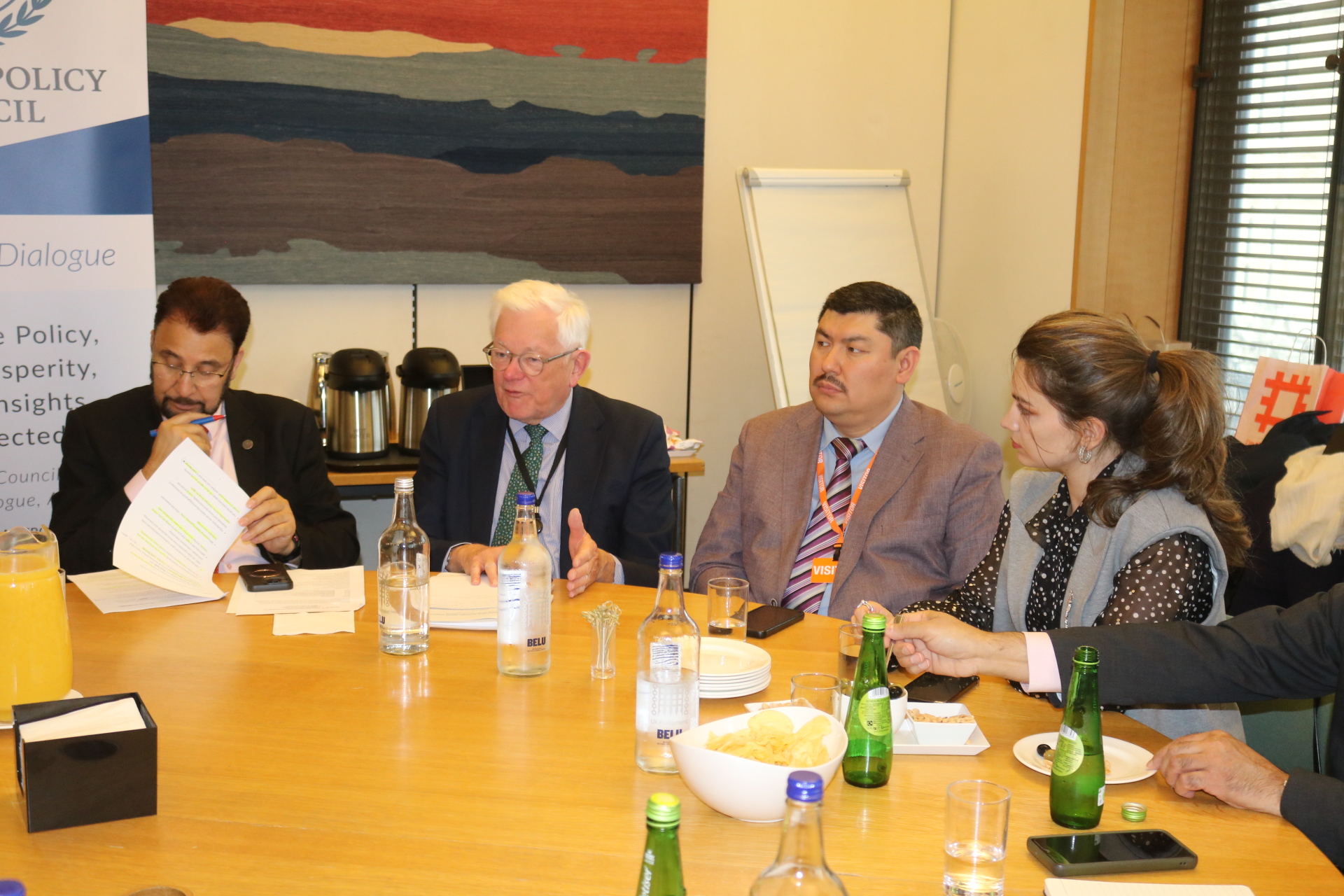
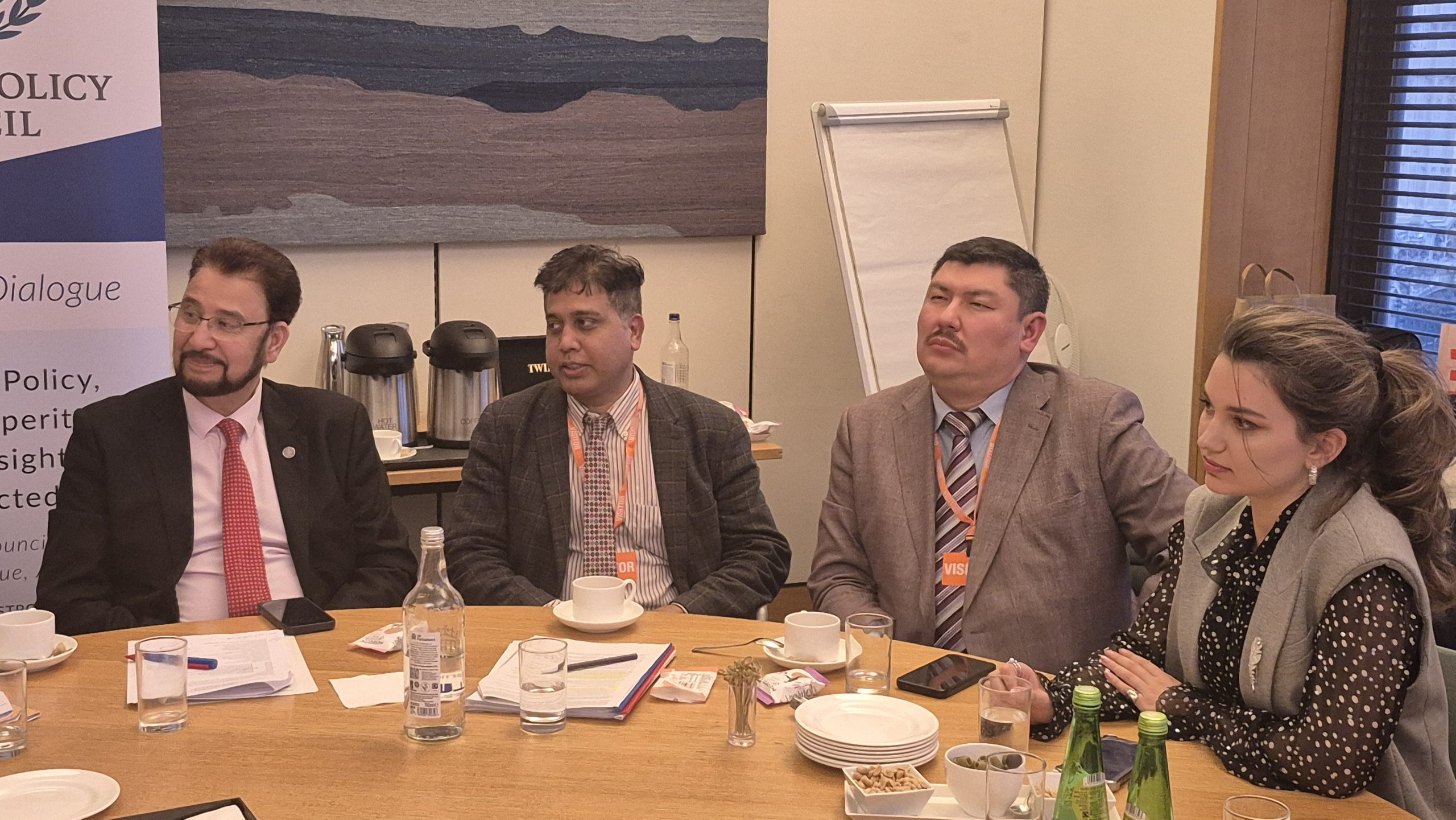
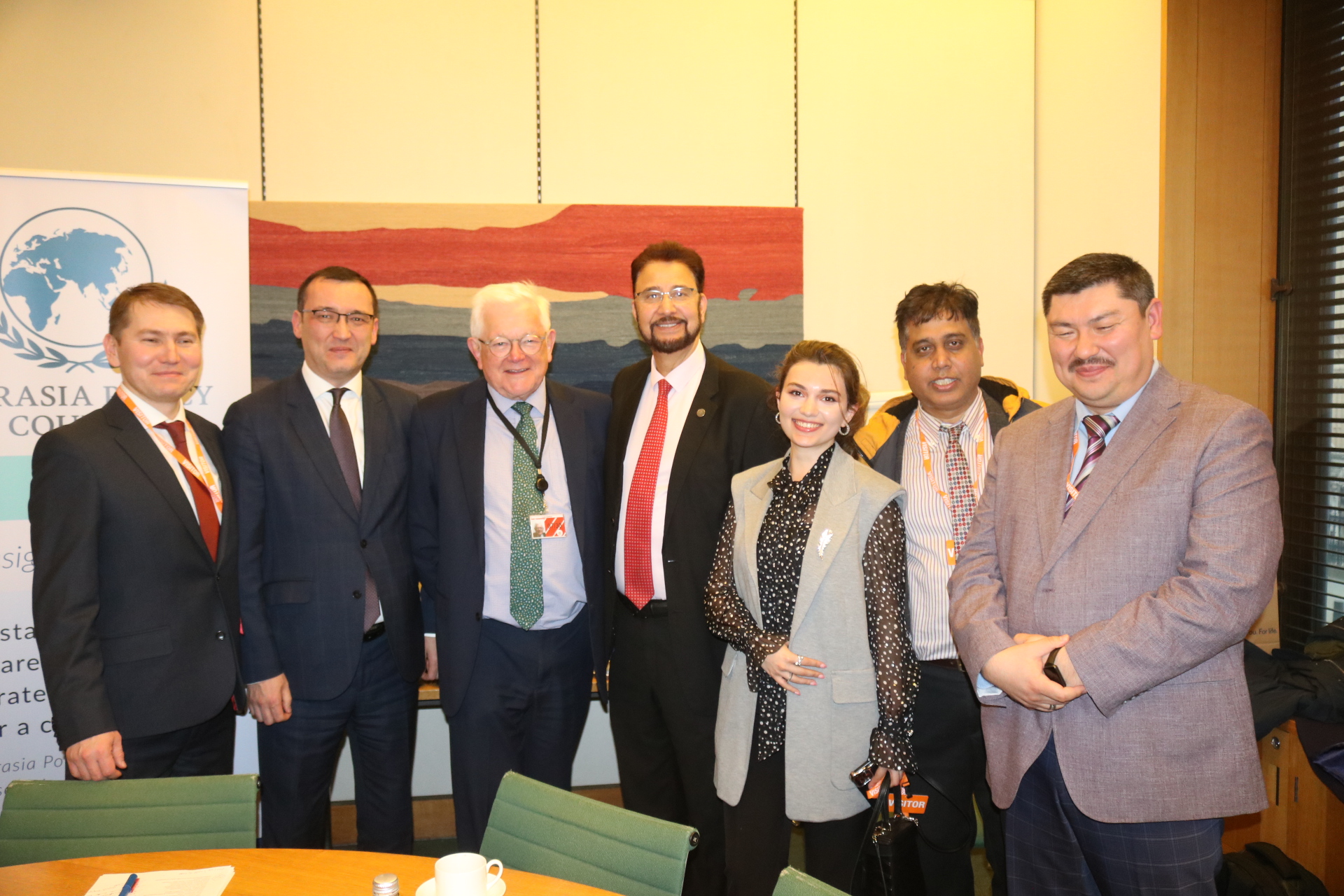
The roundtable was well attended by numerous British MPs, members of the House of Lords, and distinguished guests from diverse backgrounds across the United Kingdom.