

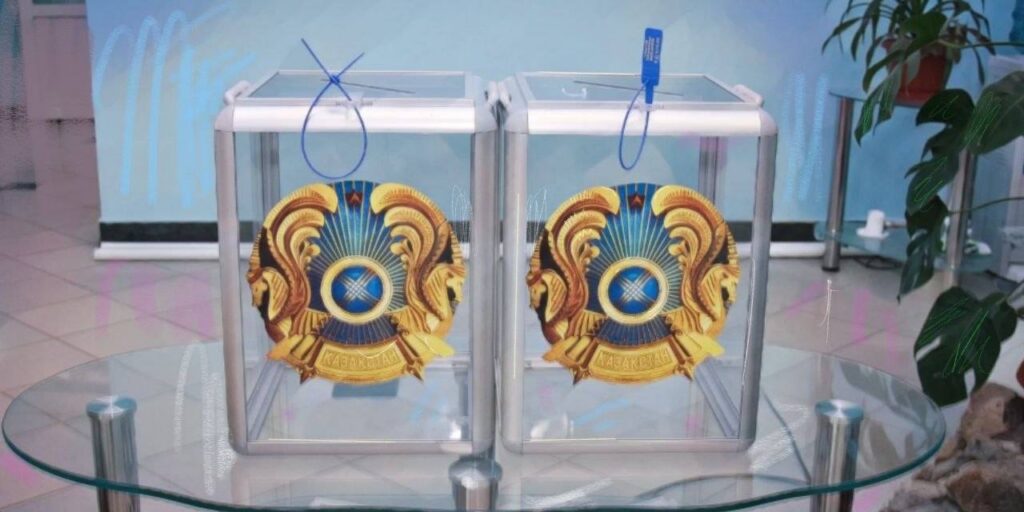
- A new generation is beginning to define what it expects from politics, from institutions and from its country’s future.
By Raza Syed
As a journalist and political observer, I have had the opportunity to visit Astana on numerous occasions, yet every visit reveals a different dimension of Kazakhstan’s rapidly evolving political landscape. I have spent the past two days in the capital, observing the atmosphere ahead of tomorrow’s elections and speaking with people from different generations. What has struck me most strongly is not simply the political significance of the election itself, but the sense of expectation surrounding it, particularly among Kazakhstan’s younger generation.
Astana today reflects a country standing at an important political crossroads. The elections taking place tomorrow are being watched closely not only within Kazakhstan but also across Central Asia. For many young Kazakh citizens, this election represents more than the selection of political representatives. It is being viewed as an opportunity to strengthen political participation, broaden public engagement and shape a new relationship between the state, its institutions and society.
From my conversations and observations over the past two days, I have sensed a cautious but unmistakable optimism among young people. They are looking towards the political process with expectations that their voices will carry greater weight in determining the future direction of their country. Their aspirations are not limited to political representation. They are closely connected with demands for greater accountability, stronger institutions, economic opportunity, social mobility and a political system capable of responding to the realities of a new generation.
Tomorrow morning, Kazakhstan will enter an important moment in its political development. Whatever the final outcome and whatever criticisms may emerge from different political quarters, the broader significance of these elections should not be underestimated. Kazakhstan is one of the most influential states in Central Asia, and developments within its political system inevitably have implications beyond its national borders.
The country’s political evolution has the potential to influence the wider regional conversation about governance, political participation and institutional reform. Central Asia is undergoing a period of profound transformation, driven by demographic change, economic diversification, technological development, shifting geopolitical realities and the growing aspirations of its younger population. Kazakhstan, because of its economic weight, diplomatic influence and strategic position, is likely to remain at the centre of these regional developments.
The most important question, therefore, is not simply who wins political representation tomorrow. The deeper question is whether these elections will contribute to a more mature and participatory political culture in which citizens, particularly young people, feel that they have a meaningful stake in the future of their country.
There is a noticeable generational shift taking place in Kazakhstan. The younger generation is increasingly connected to the wider world, more politically conscious and more interested in having a direct role in shaping national priorities. Their expectations are creating new pressures on political institutions and, at the same time, presenting Kazakhstan with an opportunity to build a political system that is more responsive to the aspirations of its citizens.
This is perhaps the most significant impression I have taken from Astana during these past two days. Beneath the formal political discussions and electoral preparations, there is a deeper social expectation that Kazakhstan is entering a new phase. It is an expectation that politics should become more representative, institutions more accountable and the voices of ordinary citizens more influential.
By the time the sun sets tomorrow, Kazakhstan may well have taken another important step in its political transformation. The significance of that step will ultimately depend not only on the election results but on what follows them. Elections are moments of political choice, but genuine political transformation is measured by what institutions do afterwards and how effectively they respond to the expectations of society.
The hope I have encountered in the words of Kazakhstan’s young generation is therefore significant. It is a hope for a political future in which their generation is not merely an observer of change but an active participant in creating it.
If that aspiration is translated into meaningful institutional development, these elections could become more than another chapter in Kazakhstan’s political history. They could mark the beginning of a new political era for Kazakhstan and, potentially, contribute to a broader transformation of political thinking across Central Asia.
As a journalist observing Kazakhstan at this important moment, I leave Astana with the impression that something larger than an election is taking place. A new generation is beginning to define what it expects from politics, from institutions and from its country’s future. The real test begins after the ballots are counted, but the political awakening I have witnessed suggests that Kazakhstan’s next chapter may be shaped increasingly by the hopes, expectations and ambitions of its youth.


