

ISLAMABAD – Pakistan carried out a series of airstrikes along the Afghanistan border late Saturday and early Sunday, targeting what officials described as militant camps linked to the Tehrik-i-Taliban Pakistan (TTP) and Islamic State Khorasan Province (ISKP) amid a surge in deadly attacks inside Pakistan.
In a statement dated Feb. 21, Pakistan’s Foreign Ministry said the strikes were a “retributive response” to recent suicide bombings, including attacks on a Shiite place of worship in Islamabad and incidents in the northwestern districts of Bajaur and Bannu. Another bombing was reported in Bannu during the holy month of Ramadan, intensifying security concerns.
Information Minister Attaullah Tarar said the military conducted “intelligence-based, selective operations” against seven camps and hideouts belonging to the TTP and its affiliates. Pakistani officials maintained that the strikes were carried out with “precision and accuracy,” based on what they described as conclusive evidence that militants involved in recent attacks were operating under guidance from Afghanistan-based leadership.
While Islamabad did not initially disclose precise locations, Afghan local media and regional sources reported airstrikes in several districts of eastern Afghanistan. These included Khogyani, Ghani Khel and Behsud in Nangarhar province, as well as Barmal and Argun districts in Paktika province. Sources also reported that a religious seminary in Barmal was struck.
Casualty figures and damage assessments were not immediately clear, and Taliban authorities had not publicly commented on the strikes at the time of reporting.
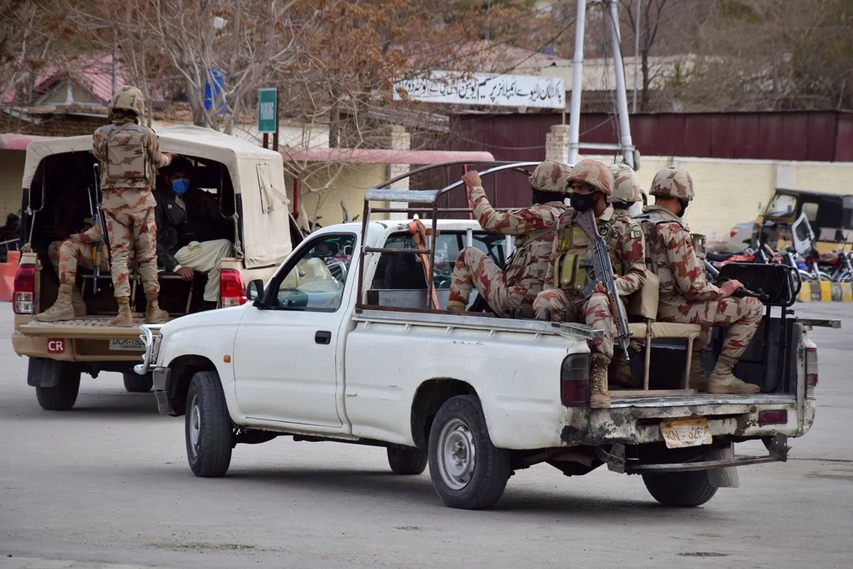
The strikes followed a wave of militant violence in Pakistan. Days earlier, a vehicle-borne suicide bombing in Bajaur district killed 11 soldiers and a child after an explosives-laden vehicle rammed a security post. Authorities said the attacker was an Afghan national. Hours before the cross-border operation, another suicide bomber targeted a security convoy in Bannu, killing two soldiers, including a lieutenant colonel.
Pakistan’s military warned after the attacks that it would not “exercise any restraint” in pursuing those responsible and would continue operations irrespective of location. Officials reiterated longstanding accusations that militants are using Afghan territory as a sanctuary to plan and launch attacks into Pakistan.
Islamabad has repeatedly urged Afghanistan’s Taliban authorities to take verifiable action against such groups, citing obligations under the 2020 Doha agreement to prevent armed organizations from using Afghan soil to threaten other countries. Pakistani officials also called on the international community to pressure Kabul to uphold these commitments.
Afghanistan’s Taliban government has consistently denied allowing its territory to be used for cross-border militancy, rejecting Pakistan’s allegations.
The latest strikes mark a sharp escalation in already strained relations between the two neighbors. Tensions have persisted since late 2025 following deadly border clashes that killed soldiers and civilians on both sides and led to temporary closures of key trade and transit crossings. Diplomatic efforts, including Qatar-mediated ceasefire attempts and talks in Istanbul, have failed to produce a lasting settlement.
Pakistan has experienced a resurgence in militant violence since the Taliban returned to power in Afghanistan in 2021, with many attacks attributed to the TTP and allied groups. Islamabad maintains that dismantling cross-border militant networks remains essential for regional stability, while Kabul continues to deny responsibility, leaving bilateral relations fragile and security risks elevated.