

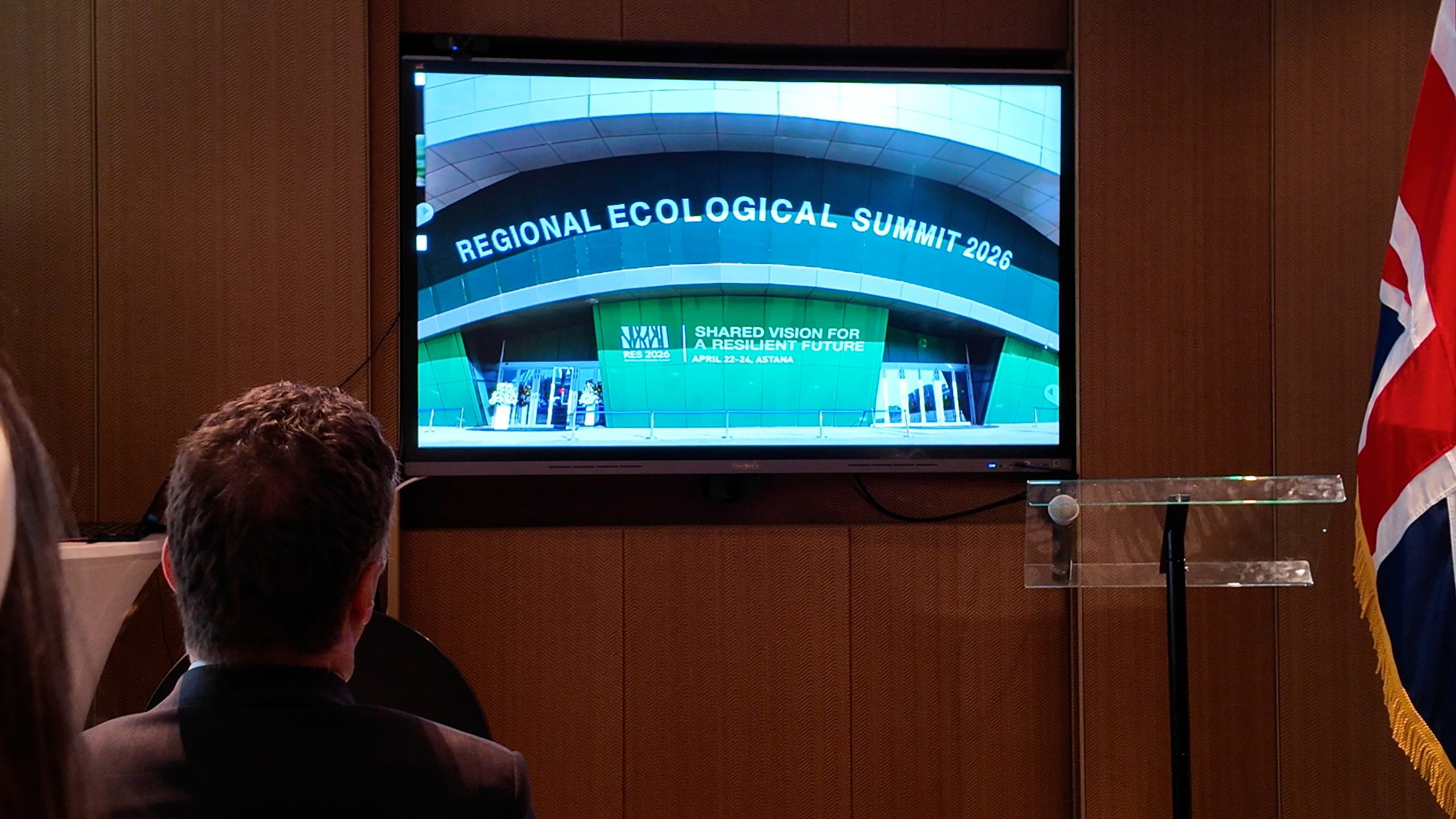
LONDON (Raza Syed) — Policymakers, experts, and journalists gathered in London to review the outcomes of the Regional Ecological Summit (RES-2026) held recently in Astana, with discussions focusing on strengthening cooperation between the United Kingdom and Kazakhstan on environmental sustainability, water security, and the green economy.
The event brought together officials from the UK Foreign, Commonwealth & Development Office, alongside representatives from business and academic circles, British media and UK-based participants of the summit. Delegates assessed the results of the Astana meeting and explored avenues for future collaboration in areas including sustainable development, renewable energy and environmental governance.
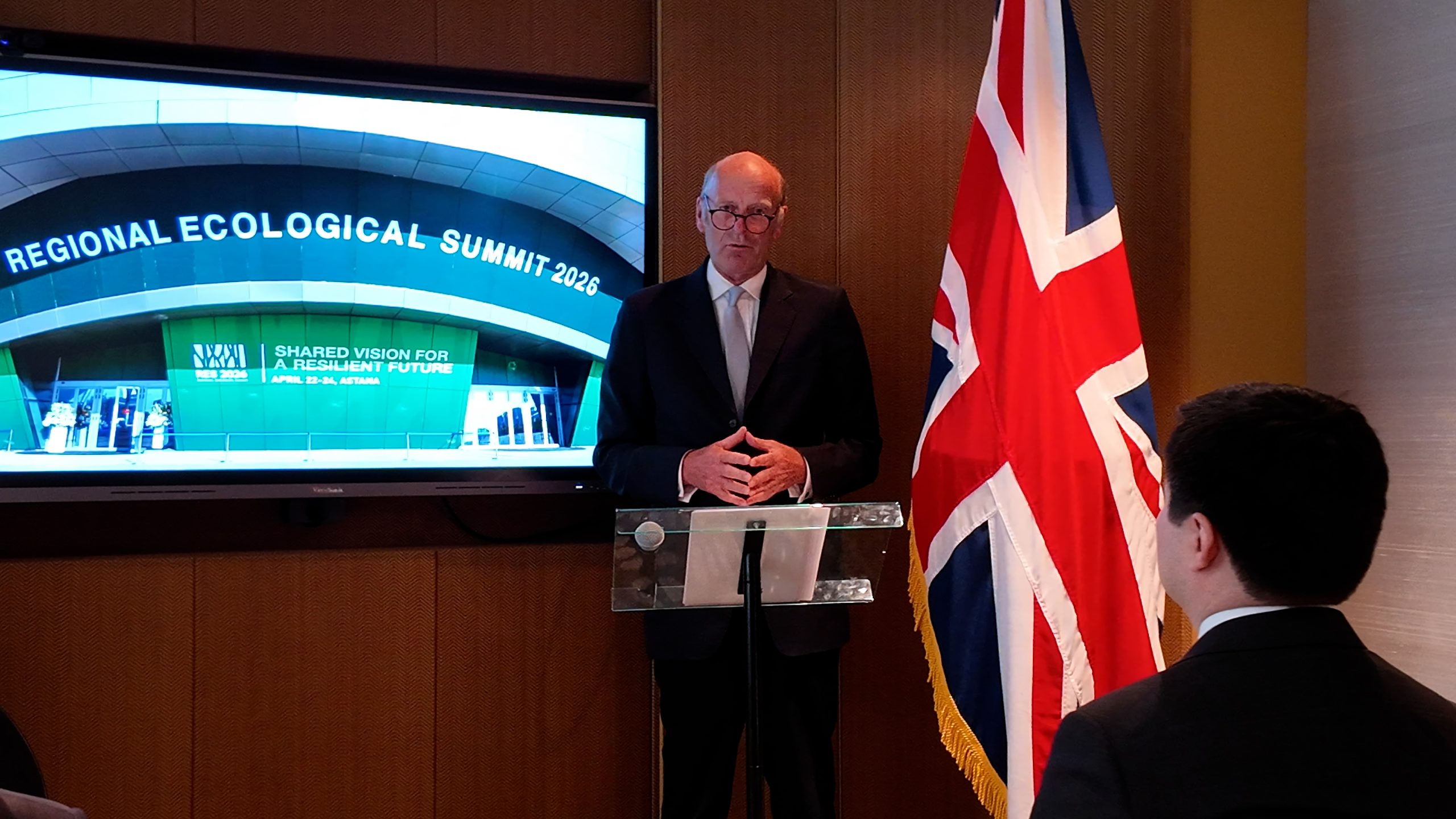
Opening the discussion, Rupert Goodman, chairman of the British-Kazakh Society, described the summit as a “landmark gathering” that brought together leaders from 11 states, as well as international organisations, financial institutions, academia and civil society. He highlighted the adoption of the joint declaration Environmental Solidarity of Central Asia by regional heads of state, which reaffirmed a shared commitment to strengthening environmental cooperation across Central Asia.
Mr Goodman also pointed to strong British engagement with the summit, noting that Charles Gordon-Lennox, 11th Duke of Richmond had sent a written message to Kassym-Jomart Tokayev and participants. The message underscored the importance of the regional environmental agenda and emphasised that water remains one of the world’s most critical resources, with responsible management essential to ensuring long-term sustainability and prosperity. He added that the prominence given in Astana to proposals for establishing an international water organisation was particularly encouraging.
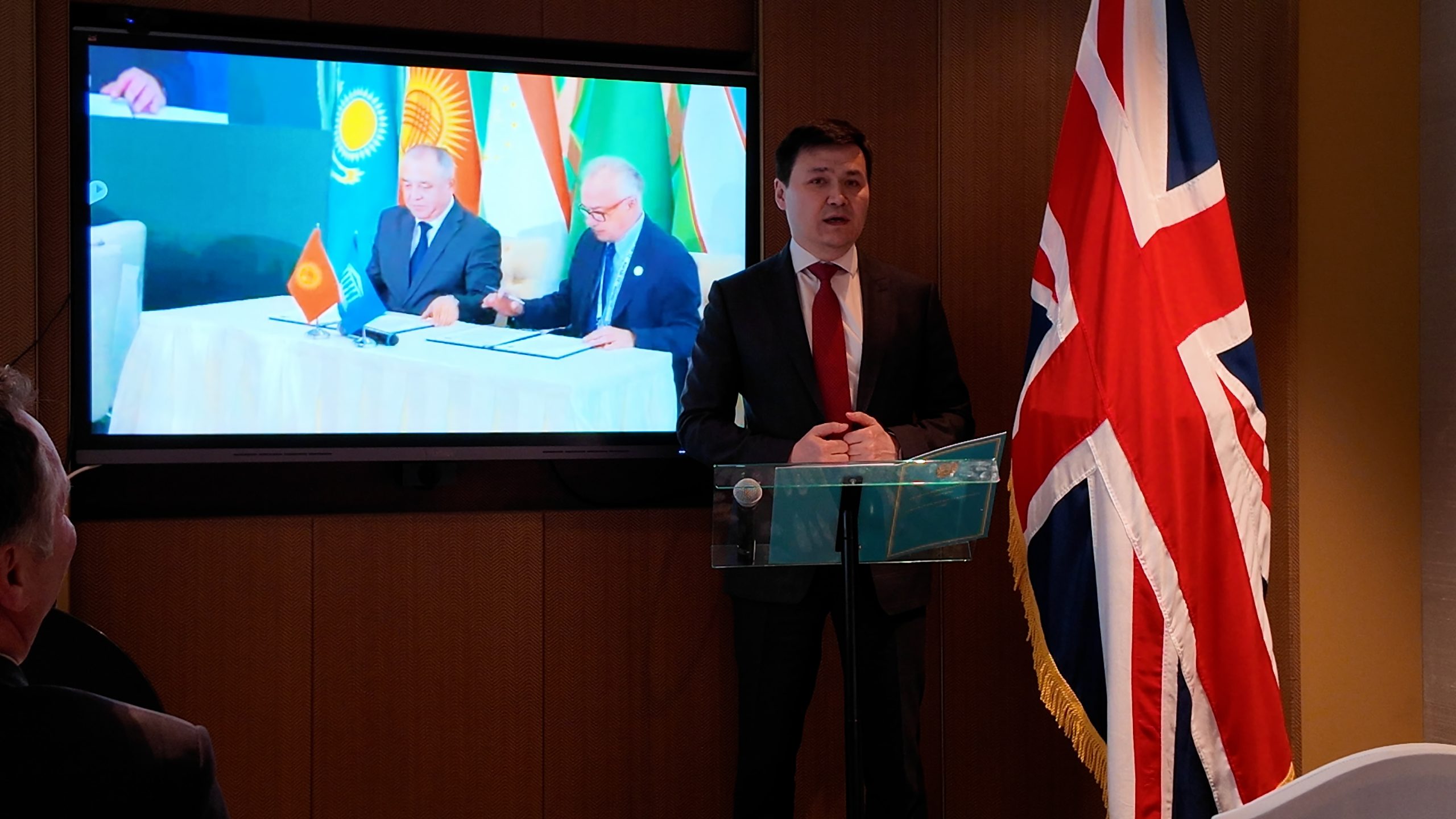
Welcoming attendees, Ruslan Karabulov, Chargé d’Affaires of Kazakhstan to the United Kingdom, highlighted the scale of the summit, which featured 58 sessions, including 21 high-level panels, and attracted more than 8,000 participants over three days. Senior representatives from the United Nations, Organization for Security and Co-operation in Europe, European Union, Asian Development Bank, European Bank for Reconstruction and Development and the World Bank were among those taking part.
He said the summit had delivered a substantial package of initiatives, including more than 30 regional environmental projects valued at over 2 billion, alongside additional agreements exceeding 2.3 billion in sectors such as renewable energy, waste management and sustainable industrial development.
Undala Alam, Regional Climate Adviser at the Foreign Office, welcomed Kazakhstan’s initiatives and identified key areas for enhanced bilateral cooperation, including biodiversity protection, regenerative agriculture, carbon market development, environmental regulation, governance reform and heating system modernisation. She said the UK was keen to deepen engagement through knowledge-sharing and the deployment of green technologies.
Kristian Carraretto, Head of Energy Transition at the European Bank for Reconstruction and Development, confirmed that a memorandum of understanding had been signed during the summit to establish Kazakhstan’s national energy transition investment platform, known as “QaJET”. He said the country aims to commission at least 10 gigawatts of renewable energy capacity by 2035, attract around $20 billion in investment and reduce emissions by more than 20 million tonnes annually.
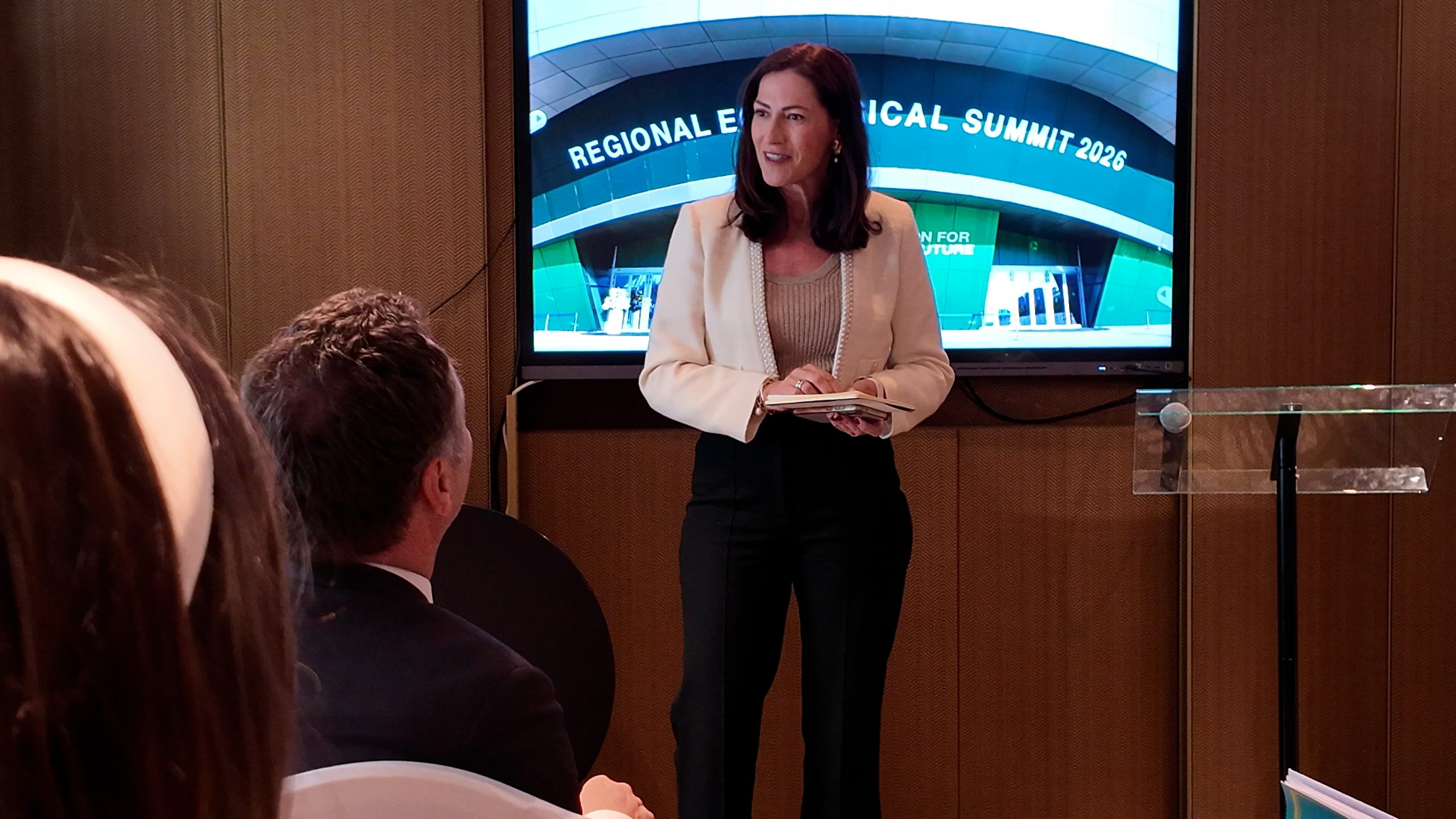
British broadcaster and summit moderator Charlotte Kann said the Astana meeting underscored Kazakhstan’s growing role in climate diplomacy, demonstrating how middle powers can exert influence in an increasingly multipolar world.
The London event concluded with a question-and-answer session and a screening of Tasbaqa, a documentary highlighting biodiversity conservation on the Ustyurt Plateau and the protection of the Central Asian tortoise.