

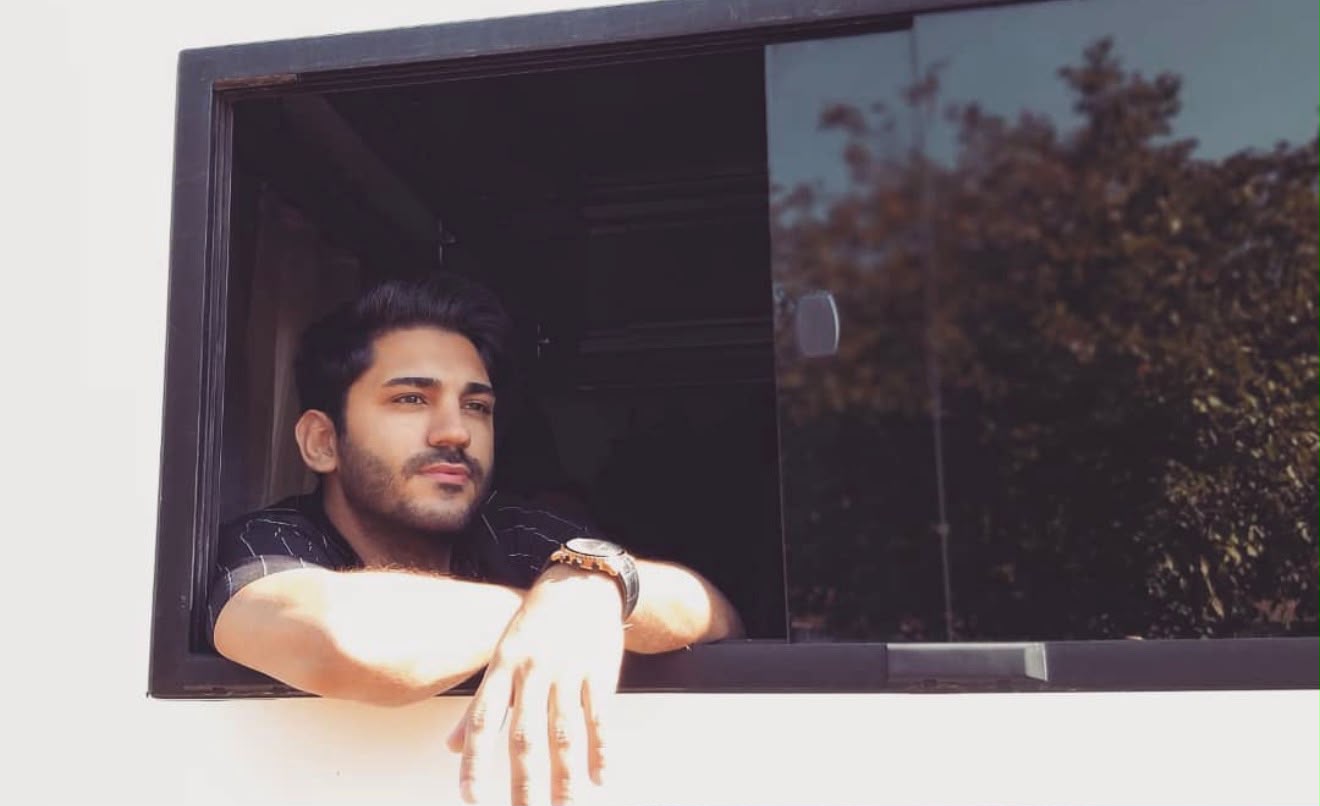
As Turkish cinema continues to evolve in the digital age, producer Volkan Ongi represents a new generation of filmmakers committed to meaningful storytelling and emotional authenticity. Believing that cinema should inspire, connect, and leave a lasting impact, he has developed a vision that combines strong local identity with universal appeal.
In this interview, Ongi discusses the challenges facing contemporary cinema, the importance of supporting young talent, the future of Turkish filmmaking, and his ambition to create stories that continue to resonate with audiences long after the screen goes dark.
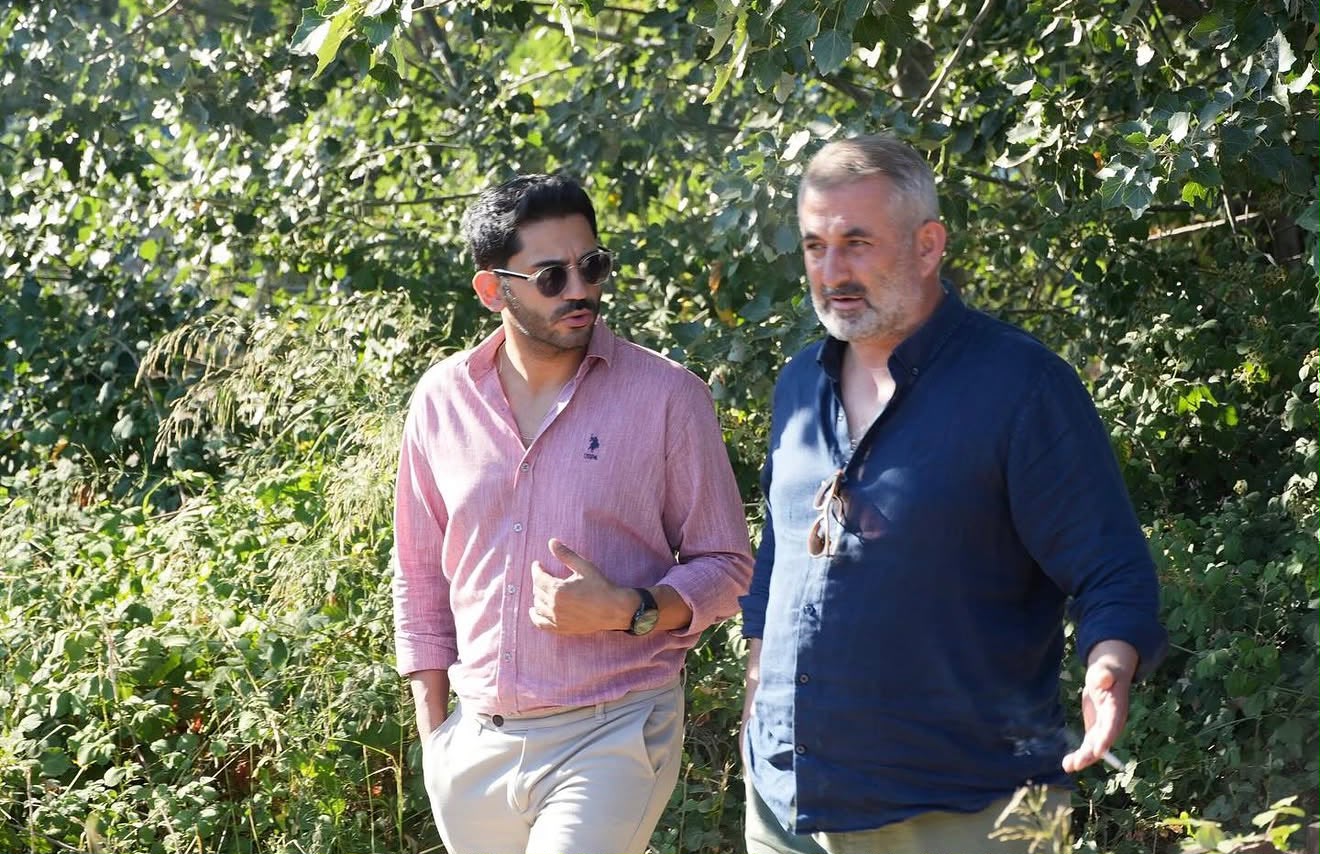
London Post: –You work across art house films, mainstream cinema, television, and digital platforms. How do you personally define “a Volkan Ongi project” across such different formats?
Volkan Ongi:- For me, a “Volkan Ongi project” is defined not by format or platform but by intention. Whether it is an art house film, mainstream cinema, television, or a digital project, it needs to have emotional truth, a strong visual language, and a core that connects with the audience.
LP:-What kind of story immediately makes you say, “This is worth producing”, regardless of budget or scale?
VO:- They are stories that can inspire and motivate the audience and remain in their minds after they watch them. If a story carries a strong emotion, a meaningful journey, and the potential to make someone feel braver, more hopeful, or more connected to life, then for me, that story is worth producing.
LP:-Projects like Commitment Aslı and Commitment Hasan were selected as Turkey’s Oscar submission. What do you think made these stories resonate at that level?
VO:- I think one of the main reasons these stories resonated at that level is Semih Kaplanoğlu’s unique cinematic vision. As both the writer and director, he has a very rare ability to approach human stories with silence, depth, and spiritual sensitivity. Commitment Aslı and Commitment Hasan are not only stories about individuals or families; through his perspective, they become reflections on morality, responsibility, faith, and the inner conflicts of modern life.
What makes Semih Kaplanoğlu’s work so powerful is that he does not force emotion. He allows it to grow naturally through atmosphere, character, and meaning. His cinema is deeply rooted in Turkish culture, but at the same time it speaks a universal language.
I believe that is why these films reached that level. They carry the signature of a filmmaker who understands both the local soul and the universal human condition. And for me, what remains is the pleasure and privilege of working on such meaningful projects.
LP:- You have worked on international co-productions and projects connected to different countries, including Uzbekistan. What is the biggest challenge in bridging different film cultures?
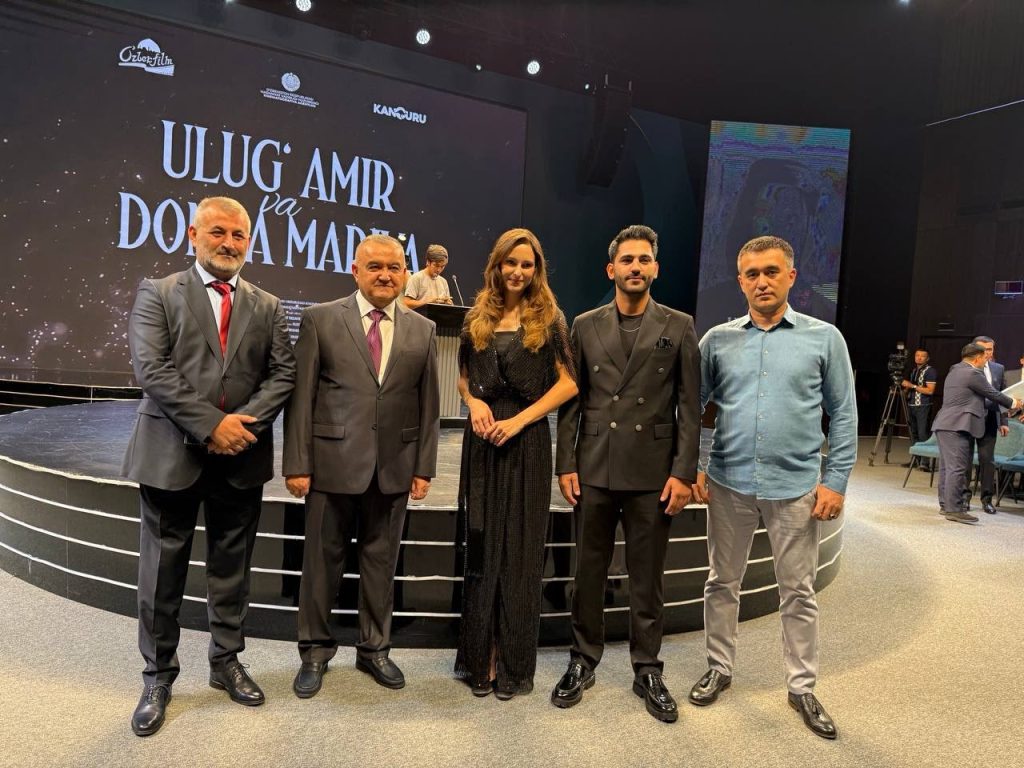
VO:- I think the biggest challenge is finding a common emotional language. Every country has its own working style, culture, traditions, and way of telling stories. But cinema also has a universal side. Even if people have different languages, religions, countries, or ways of life, they can still connect through the same emotions.
LP:- Donna Maria was a large-scale feature developed at the request of the President of Uzbekistan. How does a politically or culturally significant commission influence creative freedom?
VO:- A politically or culturally significant project naturally brings a greater sense of responsibility. In this kind of work, creative freedom does not disappear, but it becomes more sensitive. Because you are not only telling a story; you are also representing a culture, a history, and sometimes the expectations of an entire country. That is why you need to be more careful, more respectful, and more aware of every choice you make.
LP:-What is the most difficult part of producing in today’s fast changing digital era: funding, distribution, or audience attention?
VO:- I think all three are difficult, but today the biggest challenge is audience attention. Funding has always been difficult, and distribution has changed a lot with digital platforms. But now, even if you find the funding and reach the right platform, you still have to make people stop, watch, and truly connect with the story. There is so much content everywhere, and the audience has endless options. So for me, the real challenge is creating something sincere, strong, and memorable enough to stay with people in such a crowded digital world.
LP:- How do you identify and support young, new-generation talent in Türkiye?
VO:- Because I’m young myself, I actually see myself as being closer to understanding the new generation. We’re from the same era; we get excited about similar things, we experience similar anxieties, and we have common ground in our worldview. That’s why I really value meeting with young screenwriters and directors, talking to them, and exchanging ideas. I’ve had the opportunity to work with young colleagues on many projects before. What’s important to me is being able to bring together good ideas and strong energy in the right project.
LP:- What kind of stories do you feel Turkish cinema still has not told enough?
VO:- I believe there are still many powerful areas that can be explored in Turkish cinema. Our cinema already has a tradition of handling drama, family stories, comedy, and human conflicts very well. But alongside this, I would like to see more science fiction, fantasy, psychological thrillers, coming-of-age stories, and films depicting contemporary urban life. Turkey’s culture, history, mythology, and current social energy are actually a very rich source for these genres. I see it more as potential than a deficiency. With the right story and the right cinematic language, I believe that Turkey can produce works in many different genres that are both strong in their local spirit and can resonate internationally.
LP:- If you had unlimited resources, what kind of film would you produce that you currently cannot?
VO:- I believe there are still many strong areas to be explored in Turkish cinema. Our cinema already has a tradition of handling drama, family stories, comedy, psychological thrillers, contemporary life, and human conflicts very well. However, I would also like to see more science fiction and fantasy films. Türkiye’s culture, history, mythology, and current social energy are actually a very rich source for these genres. I see this as a potential rather than a deficiency. With the right story and the right cinematic language, I believe Türkiye can produce works in many different genres that have both a strong local spirit and can resonate internationally.
LP:- What do you hope your legacy in international cinema will be?
VO:- I would like to leave behind a story that continues to live on, even as years pass. A film that people watch again, talk about, reinterpret, and perhaps adapt in different ways years later, a film that touches people’s hearts. Because for me, that’s the most powerful aspect of cinema. When a film ends, it shouldn’t be completely over; it should leave an emotion, a question, or a trace in the viewer. If a scene, a line, or an emotion it evokes can be remembered years later, then that work truly continues to live. That would be the most valuable legacy for me. To leave behind a story that isn’t just talked about in its time but whose meaning grows over time and touches different generations.